Turtle's History Library
12 month membership for €12
Become a member of Turtle’s History Library to access over 1,000 historical features, mostly Irish, covering everything from the Neolithic period to the Big House, from Viking warriors to Irish revolutionaries, including content from Turtle’s books such as ‘Vanishing Ireland’, ‘1847′ and ‘The Irish Pub,’ plus ‘Waterways Through Time,’ ‘Past Tracks’ and hundreds of house and family histories.
This library is updated, improved and expanded on a daily basis. If a story is incomplete or not showing up, please email us and we shall investigate. Narrow your search by putting an exact phrase or name in inverted commas (quotation marks).
| Image | Title | Summary |
|---|---|---|
 | Grafton Street, Dublin City |
Grafton Street, Ireland's main shopping boulevard, started as a small, medieval cattle track that wound alongside the east bank of the Stein, the river that now flows underground between St Stephen’s Green and Trinity College. This account tells the tale of five Georgian houses running from 96-100 Grafton Street, as well as the Turkish Baths and 5 Grafton Street, and who their occupants were, including Weir's and the company that inspired Bono's name. It also provides a detailed listing of occupants of all houses on Grafton Street, compiled by Belinda Evangelista in 2023. |
 | The Life & Times of Thomas Kane McClintock Bunbury, 2nd Baron Rathdonnell of Lisnavagh, County Carlow – Part 3 (1914-1929) |
Following the final quarter of a century of Tom Rathdonnell's life from the outbreak of the First Word War and the Easter Rising through the Irish revolutionary period to his death on the eve of the Wall Street Crash. |
 | The Life & Times of Thomas Kane McClintock Bunbury, 2nd Baron Rathdonnell, of Lisnavagh, County Carlow – Part 2 (1879-1913) |
Taking the story from his succession as 2nd Baron Rathdonnell in 1879 and the complexities of the Land Wars, through the glory days of Anchor, Bluebeard and the other Lisnavagh bulls, plus the marriage of his daughters, the death of Billy in the Anglo-Boer War and up to the eve of the Great War. |
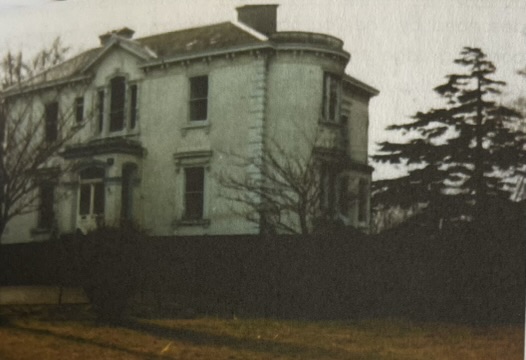 | Chesterfield House, Booterstown, Co. Dublin |
WILLIAMSTOWN Chesterfield House is located on Cross Avenue, midway between Booterstown and Blackrock. When the … |
 | Bunbury of Ballyseskin & Wexford | This is a lesser known branch of the Bunbury family, connected to Ballyseskin in the barony of Bargy in County Wexford. The founder of this branch may have been a Cromwellian officer, even if other Bunburys fought for the king, and its descendants include Walter Bunbury, MP for Clonmines in the reign of Queen Anne, and his formidable wife, Dame Elizabeth. |
 | Kilkea Castle, Chapter 4 – The Geraldine Age, Part I – Rise and Fall (1273-1537) |
In the 1420s, Kilkea Castle in County Kildare was considerably extended and improved by the Earls of Kildare who would become the most influential dynasty in Ireland by the end of the century. With the Tudors came a sensational but disastrous rebellion that would bring the FitzGerald elite to the brink of extinction. |
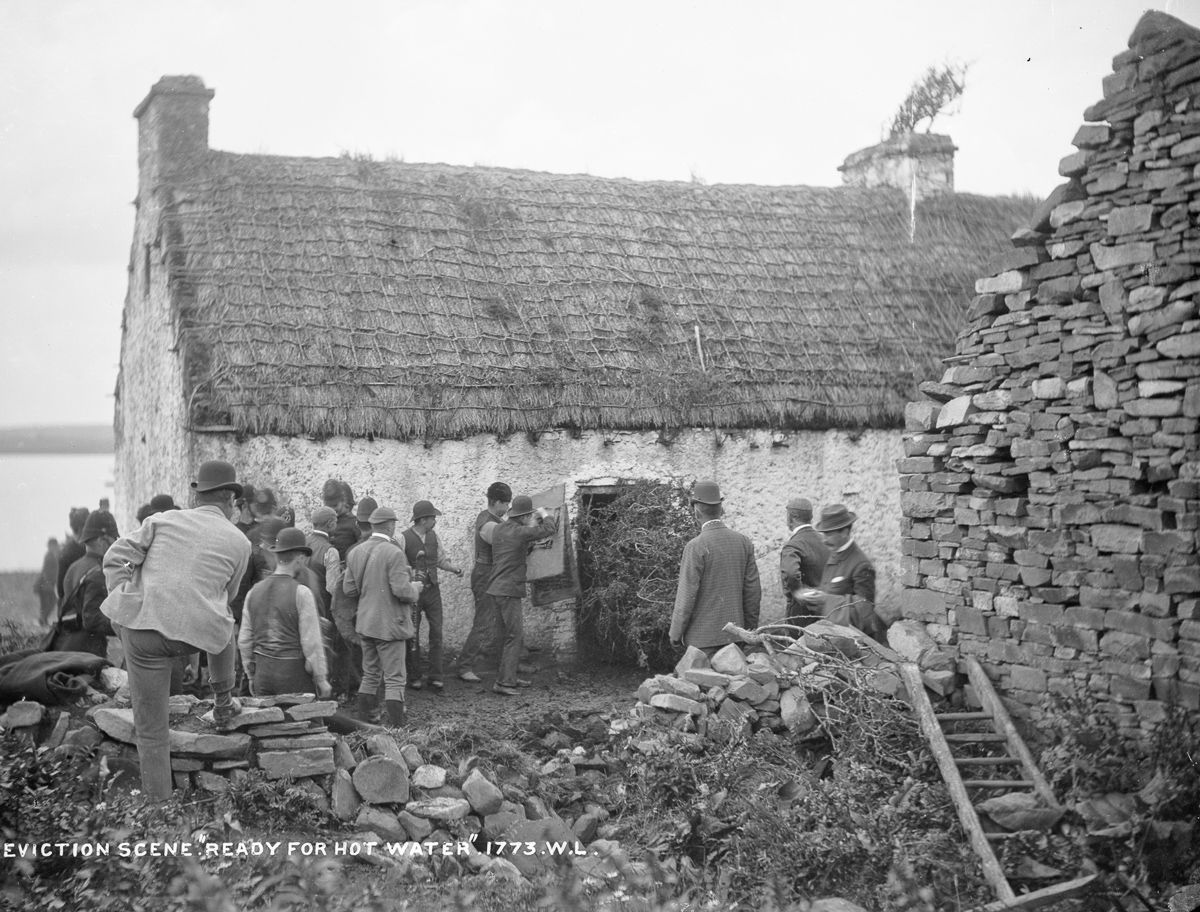 | Oliver Whelan – Landlords and Tenants in County Carlow, 1879–1960 | Thoughts inspired by the launch of Oliver Whelan’s landmark history of County Carlow’s land question, tracing the Land War, tenant purchase and the transformation of estates such as Lisnavagh from landlordism to a new rural Ireland. |
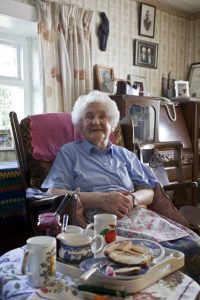
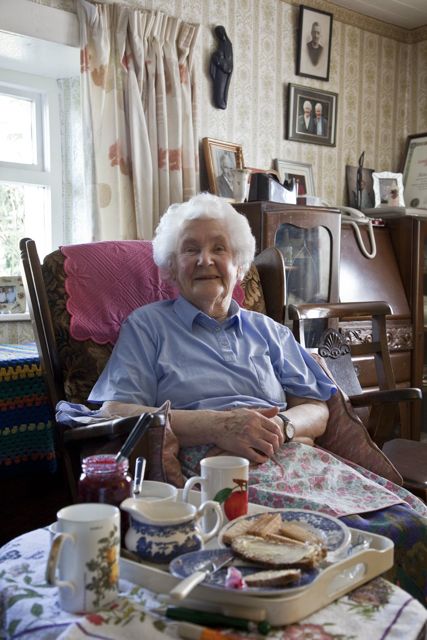 | Hannie Leahy (1919-2015) – Country Markets Icon of Annesgift, County Tipperary |
‘Everything is disposable nowadays,’ observes Hannie Leahy. ‘We were forever washing nappies in soap and water, putting them out on the line. Now you just put the nappy in the bin and get a new one!’ |
 | Index to Vanishing Ireland Interviews | A county-by-county index to all the people interviewed for the Vanishing Ireland series. |
 | County Tipperary – Choose a Topic | Choose from these topics for stories of people, families, events and places connected to County Tipperary’s past. |
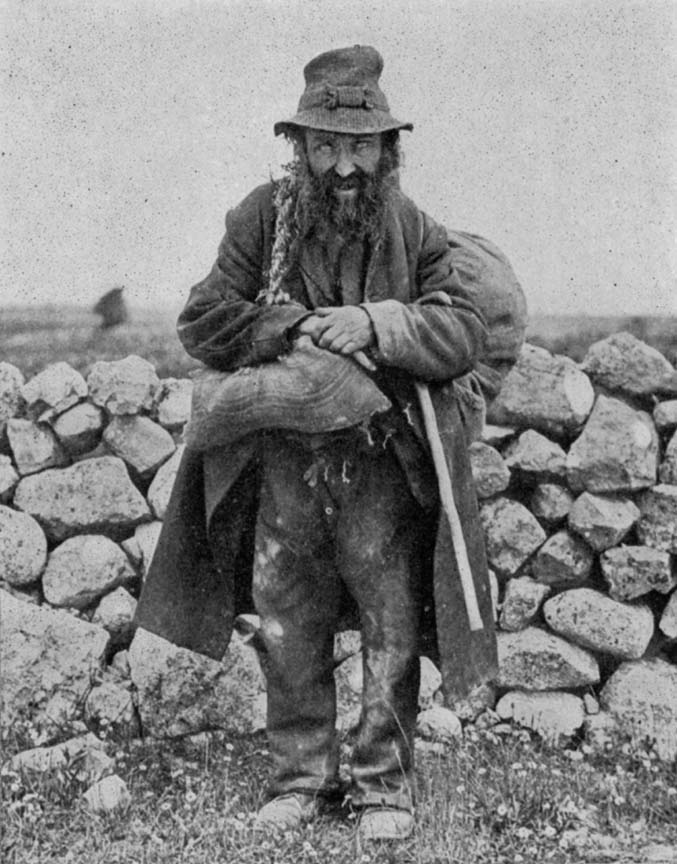 | Aill na Caillí – A Deserted Village in Connemara |
In Peter Ward’s youth, there were eight families living in eight different cottages here. Walking me into one ruin, he draws attention to the construction date etched into the wall. ‘1915’. He recounts a visit here with his grandmother as a child, only to be surprised to tears when the owner played a record on a gramophone. ‘I had never heard music before’, he explains. |
 | Rest on Erin's Literary Laurels (2010) | From Dublin's Trinity College to the Bog of Allen, you'll not travel far in Ireland without stumbling on a locality with important scholarly roots. Here are five places where you can rest comfortably on your literary laurels and ruminate on landscapes that have inspired Ireland's writers. |
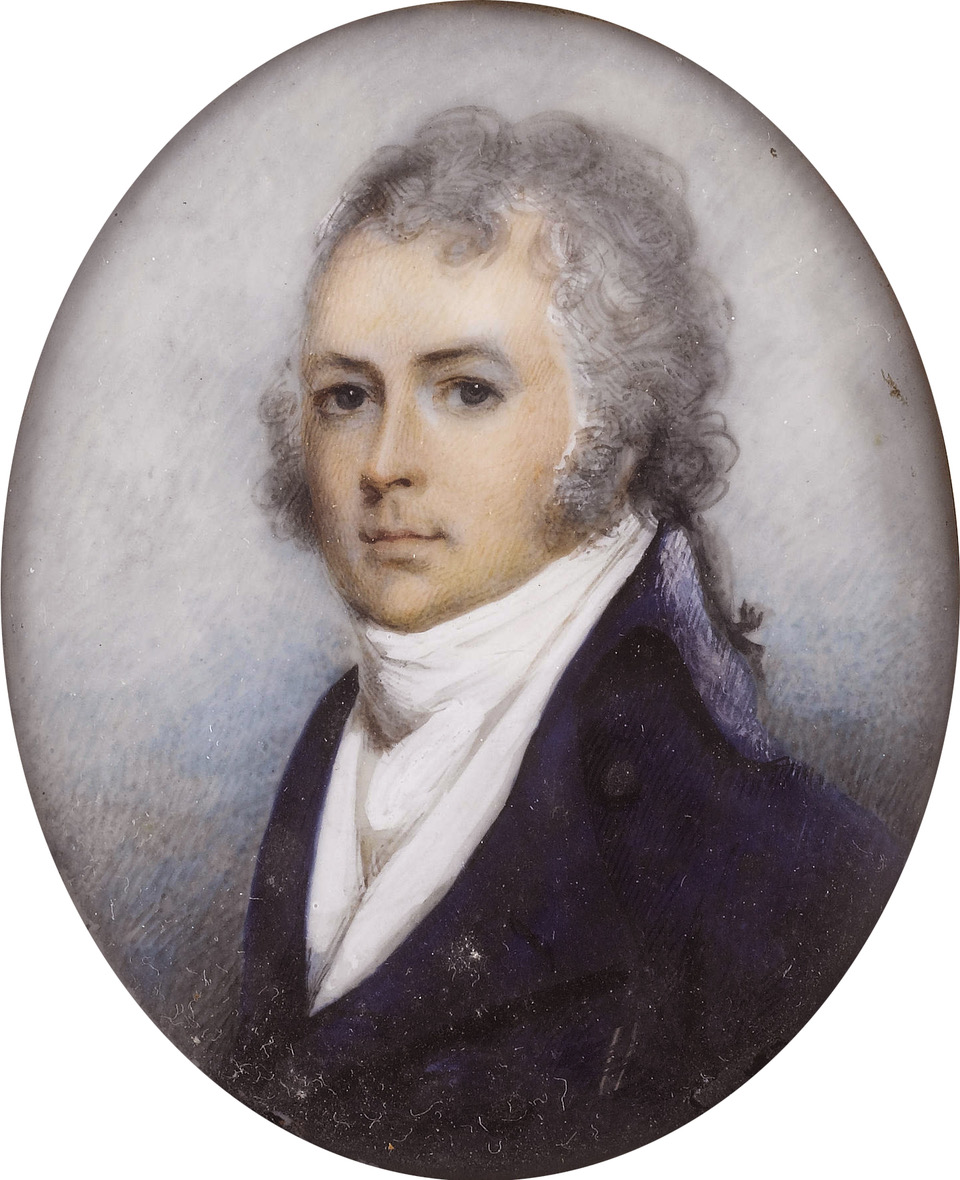 | James Wandesford Butler, 1st Marquess of Ormonde (1774-1838) |
James Wandesford Butler, 1st Marquess of Ormonde, was born at Kilkenny Castle on 15 July 1774, the third son of John Butler, 17th Earl of Ormonde, and Frances Susan Elizabeth Wandesford, heiress to the Wandesford estates. |
 | The Butler Family Contents | People, places and branches connected to the Butler family in Ireland and abroad. |
| Protected: The Quarrymen by Brendan Share (CRH) | There is no excerpt because this is a protected post. | |
| Protected: Seamus O’Carroll (CRH) | There is no excerpt because this is a protected post. | |
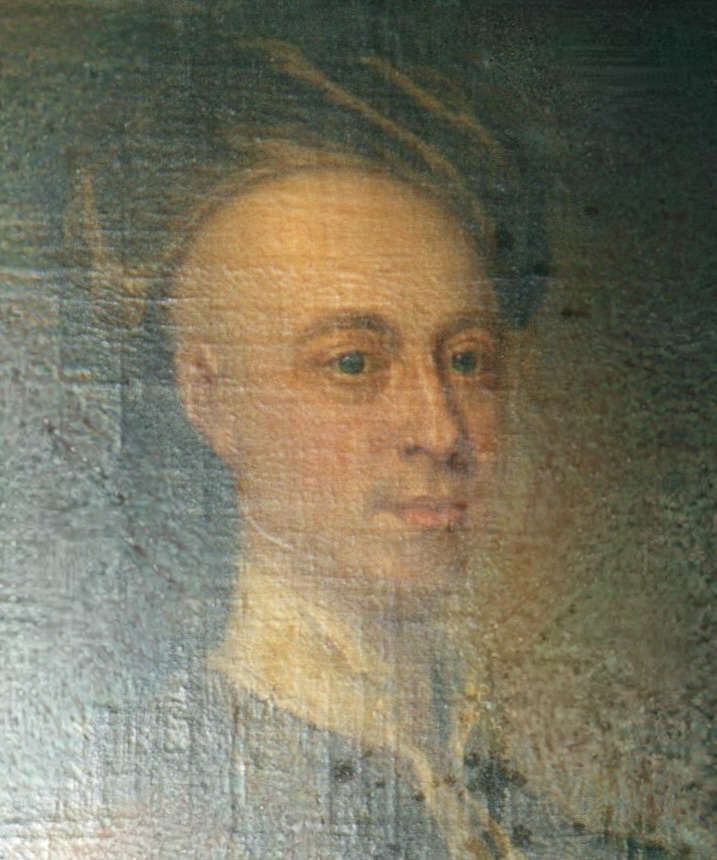 | Hugh Mill Bunbury & the Guyana Connection |
Hugh Mill Bunbury owned the Devonshire plantations in Essequibo, part of British Guyana. Born in Devon, he moved to the West Indies as a young man. His daughter Lydia was disinherited for marrying the French Romantic poet Count Alfred de Vigny. His son Charles commanded the Rifle Brigade and married Lady Harriot Dundas. One grandson was Privy Chamberlains to the Pope, as well as heir to Cranavonane, County Carlow. Another was the much-decorated businessman, Evelyn James Bunbury. |
 | Protected: The Forgotten Cult of St John the Baptist in Medieval Ireland by Michael Brabazon & Turtle Bunbury | There is no excerpt because this is a protected post. |
 | Tim McClintock Bunbury (1881-1937), 3rd Baron Rathdonnell |
Tim became heir apparent to Lisnavagh and the lordship of Rathdonnell, after his brother Billy was killed in the Anglo-Boer War. As a young man, he was Private Secretary to the Governors of Ceylon and Fiji, and the High Commissioner of Australia. A key figure at the Imperial Institute, he served in the war in East Africa, Italy and Carinthia, now Slovenia. His only child was my grandfather. |
 | County Carlow – Choose a Topic | Choose from these topics for stories of people, pubs, families, events and places connected to County Carlow’s past. |
 | Haroldstown, County Carlow – Of Dolmens, Evictions and Eccentric Historians | Located on the River Dereen, this 350 acre townland includes the beautiful Haroldstown Dolmen, while neighbouring Ballykilduff appears to have been home to a Bronze Age settlement that was first charted by a drone in 2018. Closely linked to the nearby monastery at Acaun, its past owners include two former Lord Chancellors of Ireland and an eccentric newspaper man. It was also the scene of an appalling eviction of 173 tenants in the 1830s, including numerous widows. |
 | Dennis of Fortgranite, County Wicklow |
Kinsfolk of both Jonathan Swift and John Dryden, the Dennis family fortunes rose with a prudent marriage to a sole heiress, netting them extensive estates in Kerry, Cork and Dublin. Family members include the artist Kathleen Marescaux, the Indian tea magnate Maurice FitzGerald Sandes, radio pioneer Colonel Meade Dennis and General Meade Dennis, who served as principal artillery commander under Montgomery at El Alamein. Fortgranite, their family home, was sold in 2019. |
 | Chapter 2: The Creation of Adare Manor |
The building of Adare Manor by the 2nd Earl of Dunraven and his wife, Lady Caroline, was one of the biggest projects of its kind ever undertaken in Ireland. Completed over 30 years, it was built in an architectural style that was inspired by the Gothic Revival and the Tudor Revival. This chapter also looks at such epic rooms as the Great Hall and the Gallery. |
 | Notes on Drumcondra, County Dublin |
Click here for further tales of Dublin City and County Dublin Don Patricio … |
 | Barnewall, Baron Trimlestown |
Norman‑origin Barnewalls rise as Pale magnates, judges and Lords Trimleston, anchored at Crickstown and Turvey House. They back Simnel, shelter Edmund Campion, tie themselves to O’Neill and Bagenal, fight in Confederate and Jacobite wars, endure Penal‑era exile and foreign service, then re‑emerge as émigré peers, scandal‑tinged Trimleston dowagers and Carlow merchants. |
 | The Colleys of Castle Carbery, Mount Temple & Corkagh |
The story of the Colleys is a rip-roaring account from the first dastardly Tudor to come to Ireland on Thomas Cromwell's watch through to the sad finale for Corkagh, the Colley house near Clondalkin, County Dublin. Among those profiled are the Duke of Wellington, the novelist Elizabeth Bowen, the Titanic victim Eddie Colley and the ancestors of the actors Ralph and Joseph Fiennes. |
 | Notes on the County and City of Limerick |
Tales of Terry Wogan, Richard Harris, Patrice MacMahon, the castrato Tenducci and the Limerick-born governess to the children of the last Tsar of Russia … |
 | The Pre-Bunbury History of Lisnavagh, County Carlow |
A look at the origins of Lisnavagh's name, and the various players – Butler, Leyn, Meredith, Gilbert and Korton – who were connected to the townland before the Bunburys arrived. The more I learn about the past, the more connected I feel to the future. |
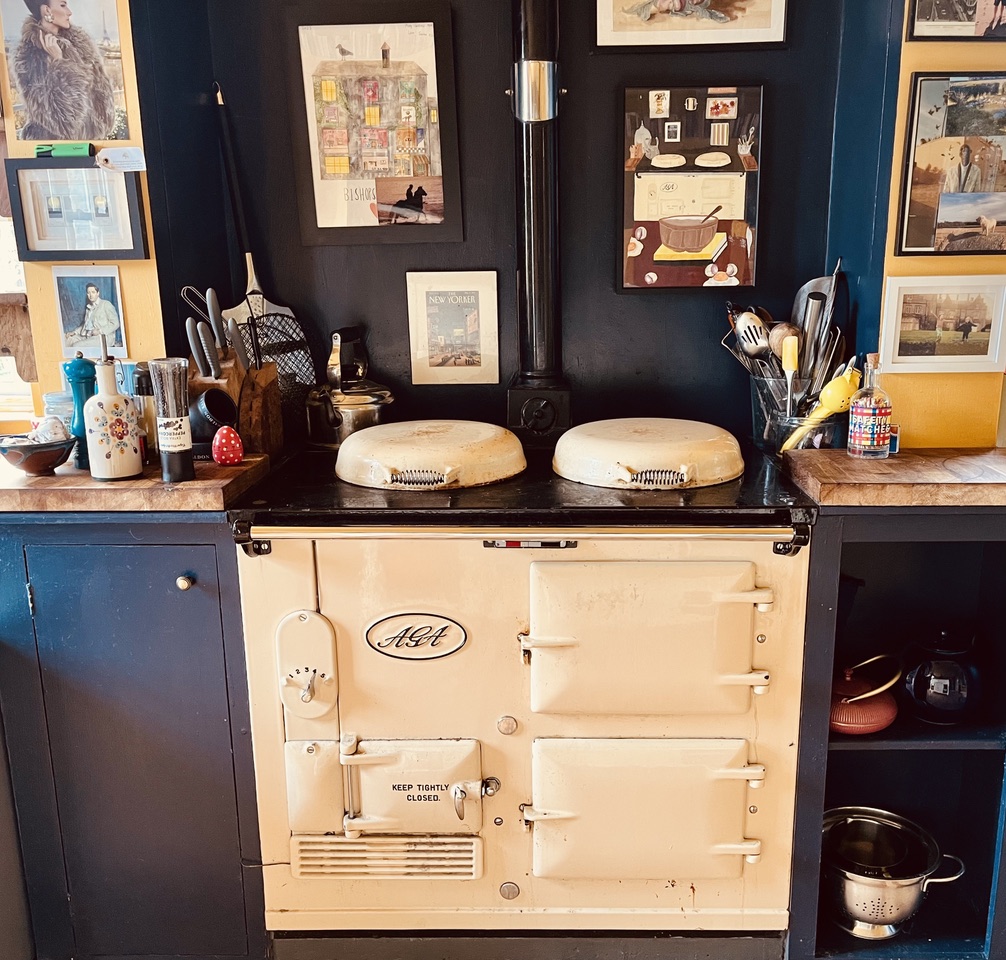 | Gustaf Dalén, Aga Invetor | Blinded while testing acetylene in 1912, Nobel laureate Gustaf Dalén later created the heat-storing AGA: an ingenious Swedish range that transformed cooking, warmth and domestic labour. |
 | William Robert Bunbury, 4th Baron Rathdonnell, M.C. (1914-1959) |
My grandfather packed a lot into his 44 years. Born during the Great War, he lost his mother at the age of eight and, an only child, became very close to his father, the 3rd Baron Rathdonnell. Educated at Charterhouse and Cambridge in England, he lived it up in the US in the late 1930s but life turned serious again at the age of 21 when his father died and he succeeded as 4th Baron. He married Pamela Drew, a free-spirited artist, a few weeks later. And then came Hitler’s War, in which he found himself in command of a squadron of tanks … |
 | Notes on Longford Town & County Longford |
Notable historical links to Longford including James Kirkland, the Potsdam Giants; the codebreaker Alan Turing; Frank McCoppin, the first Irish-born mayor of San Francisco; Annie Oakley’s gun-slinging husband Frank Butler; the poet Pádraic Colum, as well as Jasper O’Farrell who laid out San Francisco’s streets and Frances Greville, a Georgian poet. |
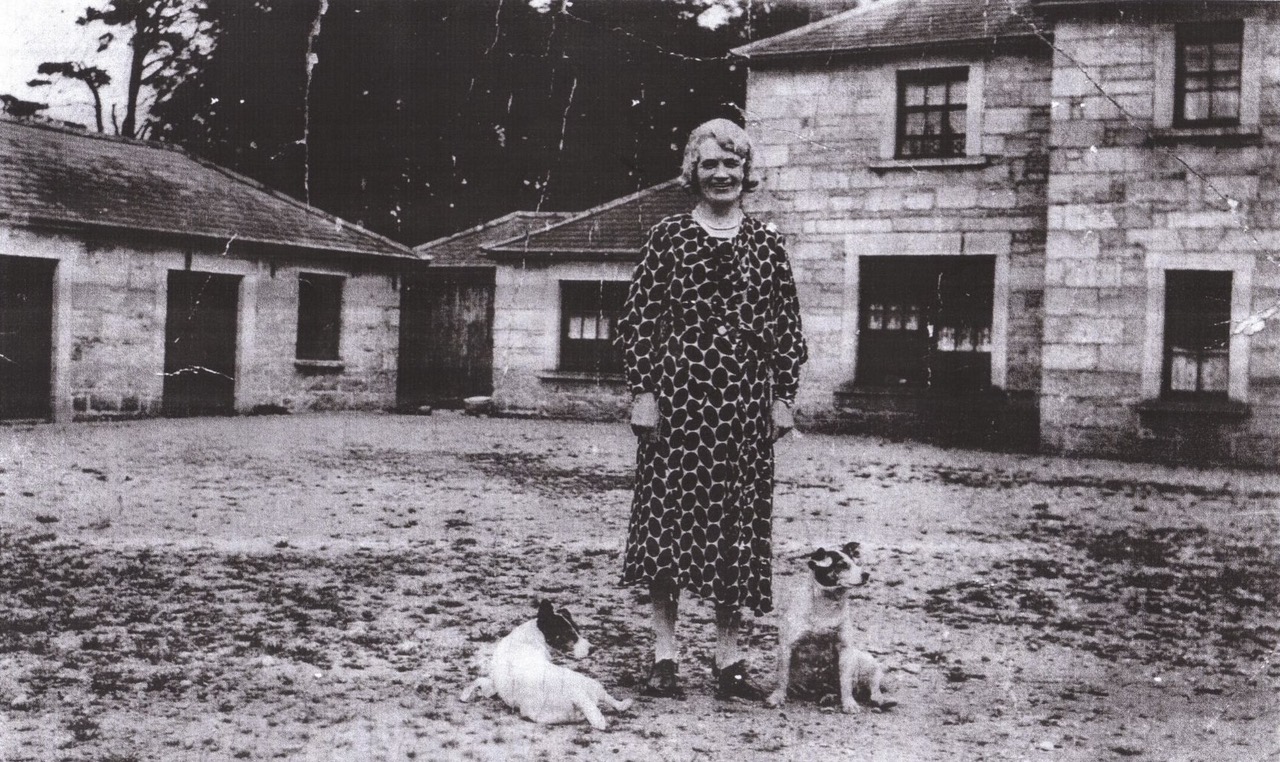 | Henry Giff (1885-1973), Steward of Lisnavagh |
Born to a Carlow farming family at Kildavin and trained as a gardener at Curraghmore, Henry was land steward of Lord Rathdonnell’s Lisnavagh estate. He married Lil Whyte in 1909 and later moved to Green Hall, Tinahely. |
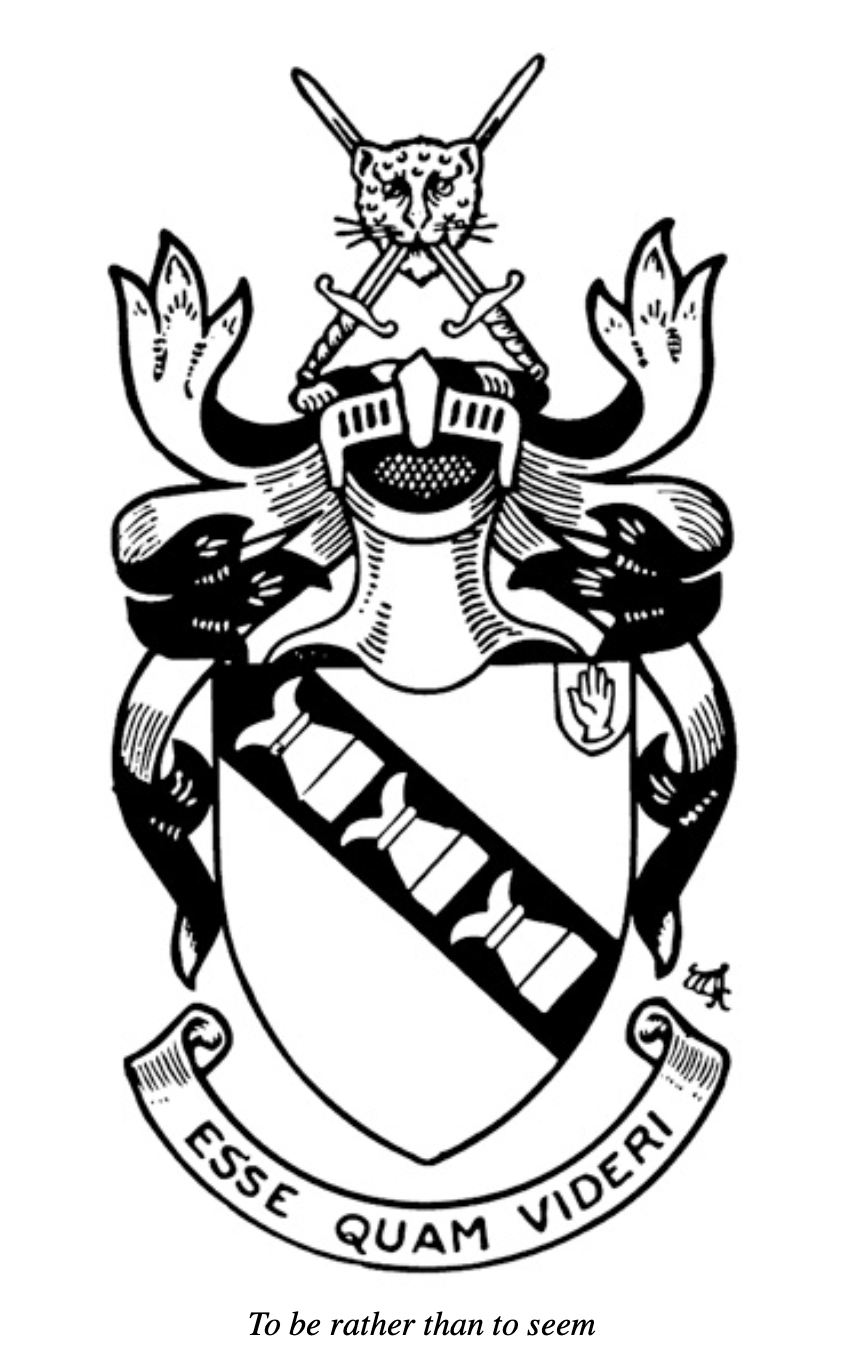 | The Bunbury Family – Contents Page | With links to all the various branches of the Bunburys I have written about from Lisnavagh to Guyana, Suffolk to Liverpool, New Zealand to Cheshire. |
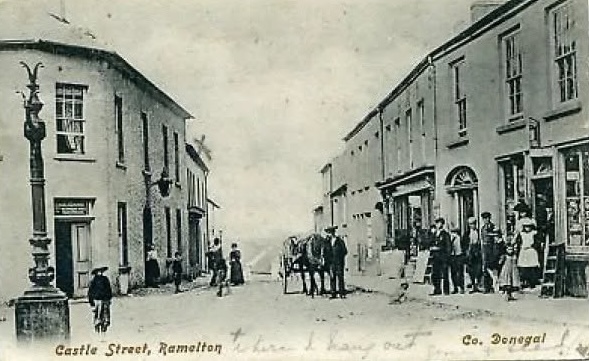 | McClintock of Ramelton (Rathmelton), County Donegal |
The Ramelton branch of the McClintock family, tracing Alexander and Catherine McClintock of County Donegal through their likely son Hugh Norwell McClintock, a struggling Ramelton draper who later emigrated to Vancouver, and his descendants who settled in western Canada. |
 | McClintock Family – Contents | An inventory of the McClintock pages on this website. |
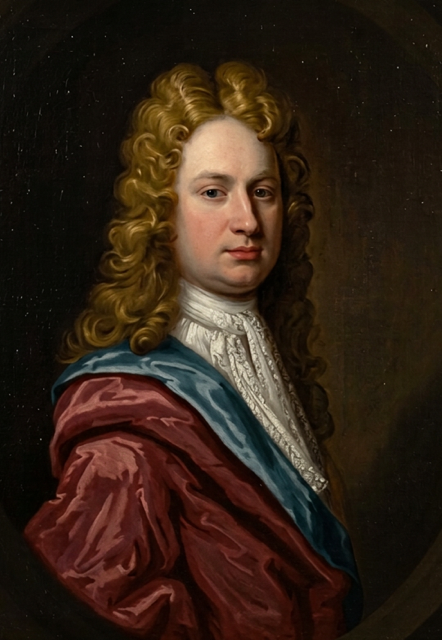 | Benjamin Bunbury (1642-1707) of Killerig, Lisnavagh & Tobinstown, County Carlow |
Looking at the life of the first of the family to truly settle in County Carlow, where he acquired Killerrig, Lisnavagh and Tobinstown, as well as his connections to the Dukes of Ormonde, Philip Wharton and some lousy days for a Quaker sheep-farmer by name of Thomas Cooper. |
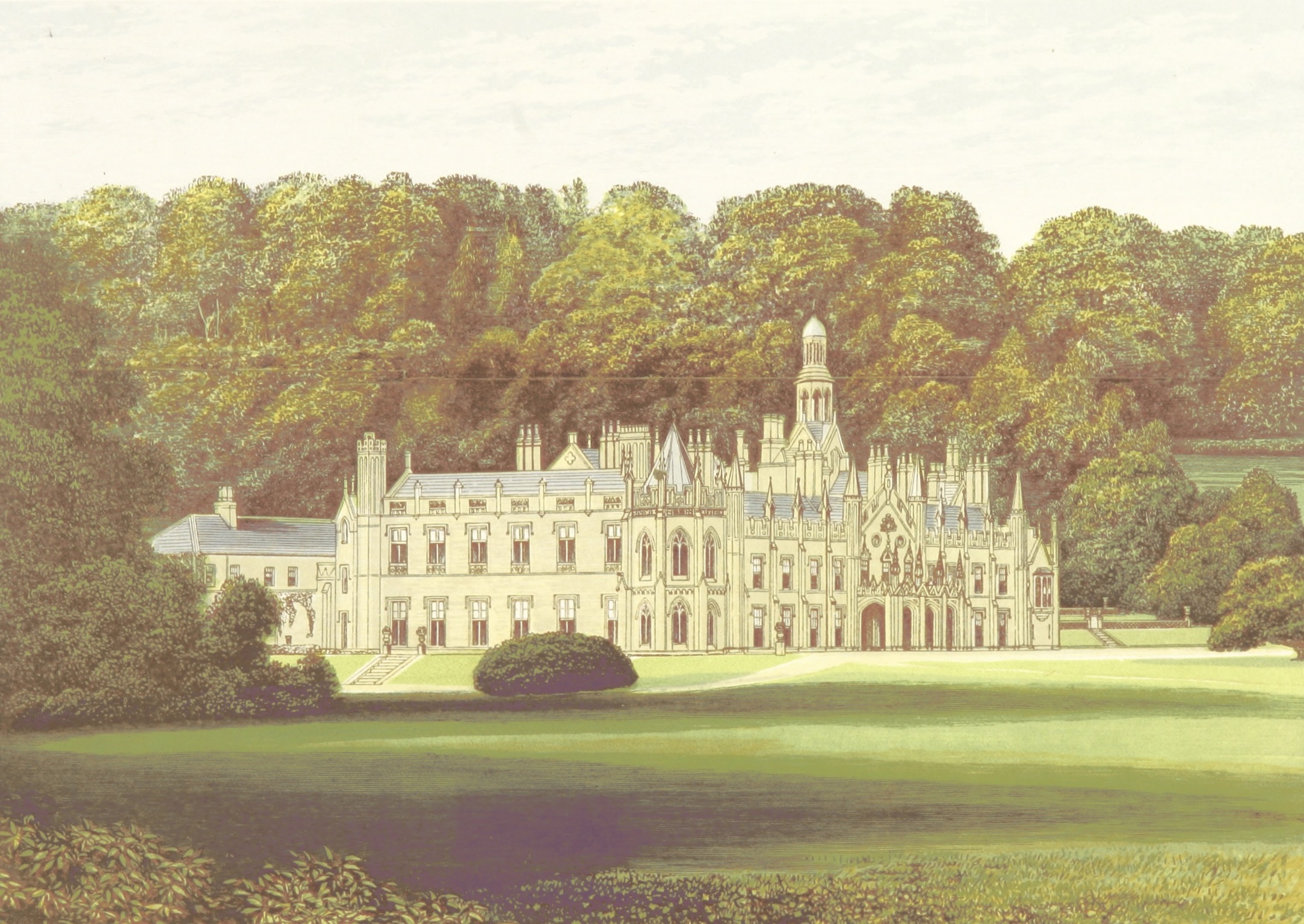 | Howard of Shelton Abbey – Earls of Wicklow |
Click here for more tales of County Wicklow. “Inservi Deo et Laetare” (Serve God … |
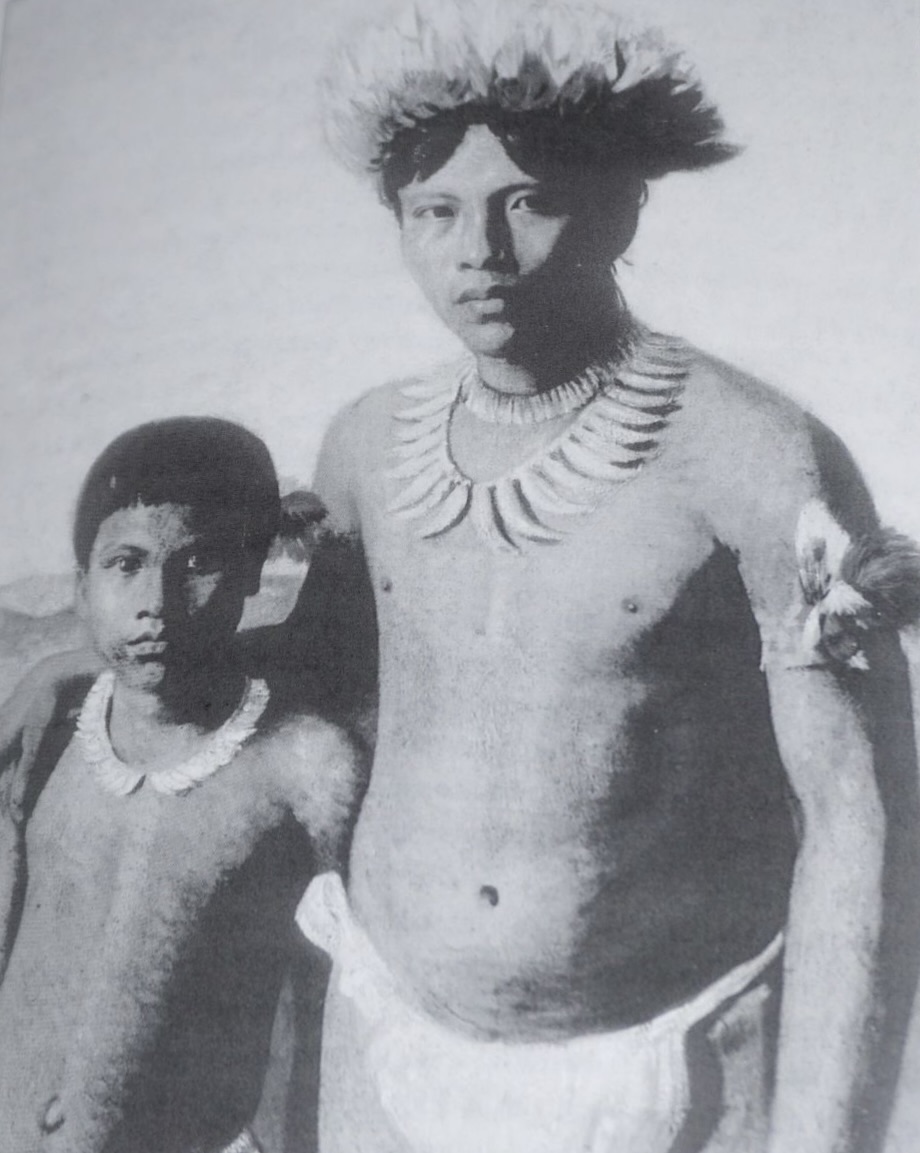 | Sir Roger Casement’s Peru Report 1910-1912 |
Sir Roger Casement became a national hero in Ireland following his arrest during the 1916 Easter Rising and subsequent execution. However, in the decades before the rebellion, he was much better known as Britain’s foremost human rights activist. He was especially renowned for exposing the brutality of the Peruvian Amazon Company (PAC), a rubber firm consolidated in London, backed by British shareholders and utterly dominant in the remote Putumayo. |
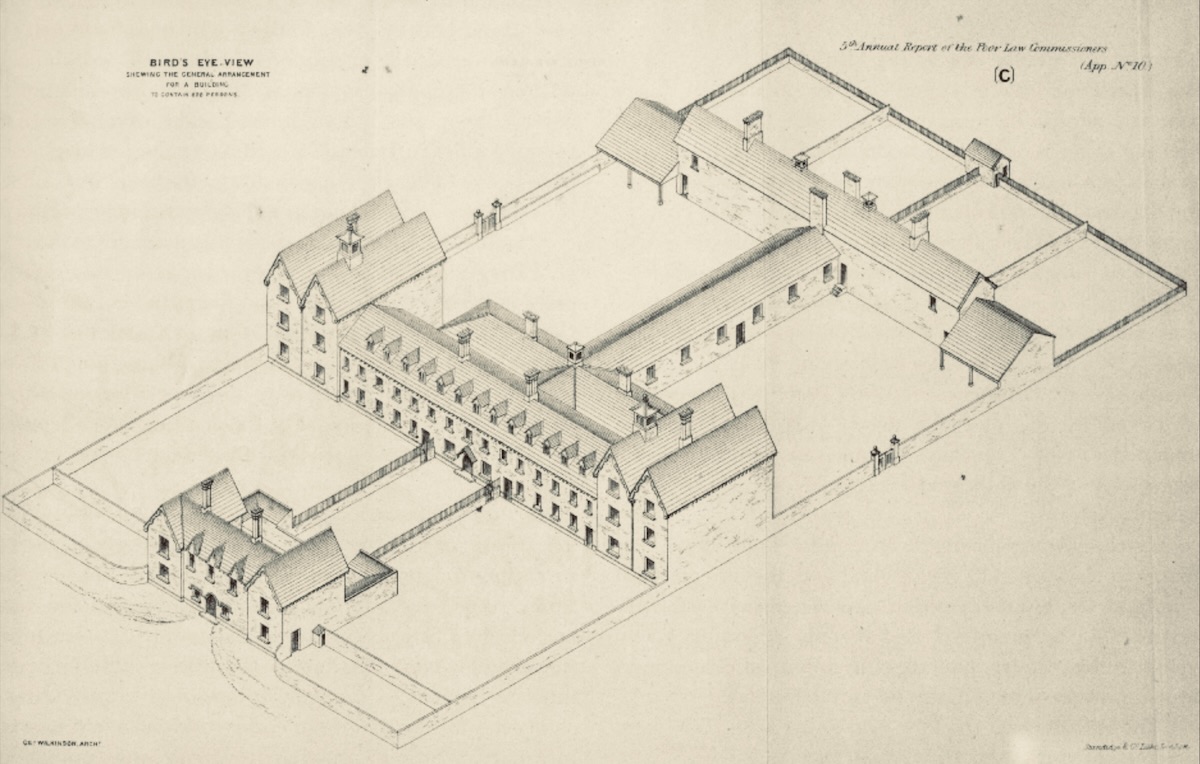 | Cashel to Australia: Mandy Moore, the Flynn Girls & the Earl Grey Orphans Scheme |
In March 1849, the door of the Cashel Workhouse creaked open to admit a smartly dressed naval officer whose objective was to screen the young ladies in the workhouse and to decide which, if any, would be suitable for the Earl Grey Orphan scheme. Among the forty selected was 15-year-old sister Ellen Flynn. This is a saga of destitution and orchestrated redemption which I presented to actress Mandy Moore on ‘Who Do You Think You Are?’ in 2018. |
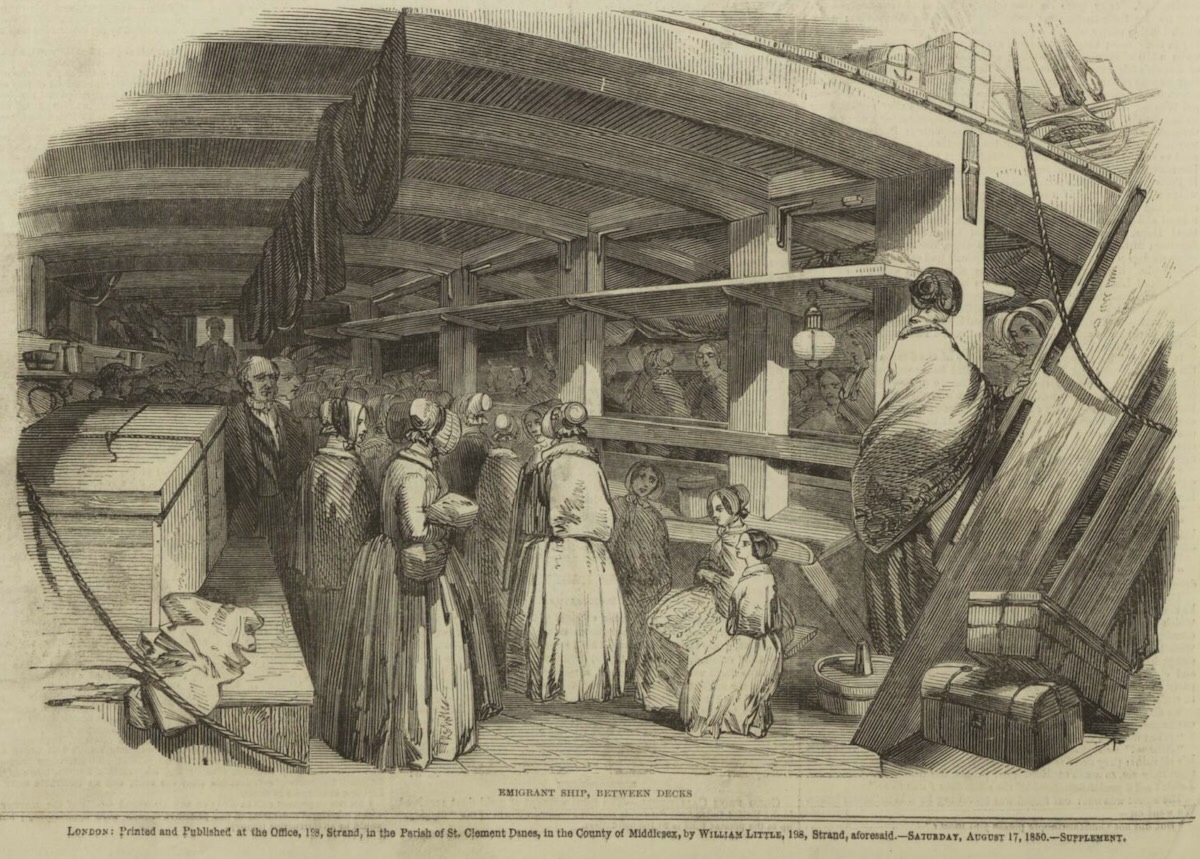 | The Earl Grey Orphan Scheme (1848-50) |
An assisted emigration scheme brought 4,175 Irish teenage girls on a 12,000-mile journey to Australia between 1848 and 1850. Most of these ‘rosy-cheeked’ girls were taken directly from Irish workhouses. |
 | Dun Aengus |
I am still unsure of the fort’s purpose, but I am now quite convinced that Dun Aengus was once a circular fort and that a little under half of it has tumbled into the Atlantic Ocean, a wee slide here, a little collapse there. |
 | James McClintock of Trintaugh (1735-1786) & the Rathdonnell House Link |
The family fortune floundered when one extravagant individual kept 29 hunters and coach-horses in his stable, and always drove with four horses in his coach, but, on the positive side, the hymm-writer C F Alexander, Field Marshal Viscount Montgomery of Alamein and Field Marshal Lord Alexander of Tunis were all part-McClintock. |
 | Notes on Dundalk, County Louth |
See here for more stories of County Louth Arctic Explorer One of the … |
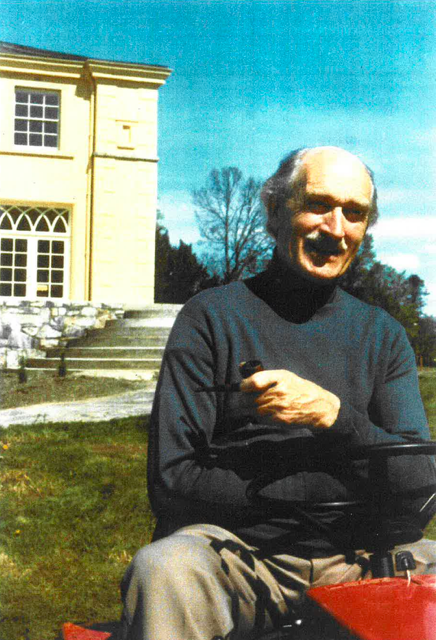 | Paddy Falloon (1911-2003) – His Memoirs as dictated to Rosa Kende (2001) | Businessman, hotelier, television pioneer and passionate restorer of Irish country houses, Paddy Falloon rebuilt Crawfordsburn Inn, opened the Dunadry, co-founded Ulster Television and brought fire-gutted Millicent House back to life — a life dictated to Rosa Kende in his eighty-ninth year. |
 | The Ulster Blackwater |
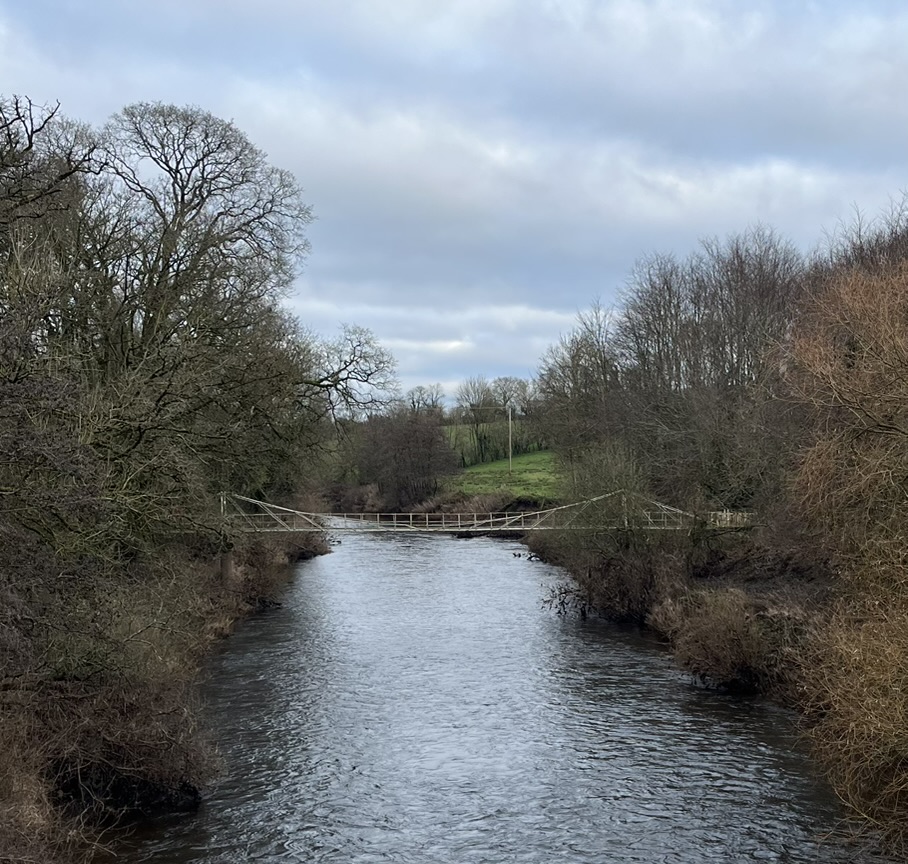
The Ulster Blackwater is primarily located in Counties Armagh and Tyrone, Northern Ireland, but also forms a short section of the border with County Monaghan in the Republic of Ireland. Rising north of Fivemiletown, County Tyrone, it flows for approximately 85 km (50 miles) before discharging into Lough Neagh. |
 | County Laois – Choose a Topic | Choose from these topics for stories of people, families, events and places connected to County Laois. |
 | County Kildare – Choose a Topic |
Choose from these topics for stories of people, families, events and places connected to County Kildare’s past. |
 | County Antrim – Choose a Topic | Choose from these topics for stories of people, families, events and places connected to County Antrim’s past |
 | County Armagh – Choose a Topic | Choose from these topics for stories of people, families, events and places connected to County Armagh’s past |
 | County Down – Choose a Topic | Choose from these topics for stories of people, families, events and places connected to County Down’s past. |
 | County Meath – Choose a Topic | Choose from these topics for stories of people, families, events and places connected to County Meath’s past. |
 | County Louth – Choose a Topic | Choose from these topics for stories of people, families, events and places connected to County Louth’s past. |
 | Notes on Clones, County Monaghan – A Fledging Document |
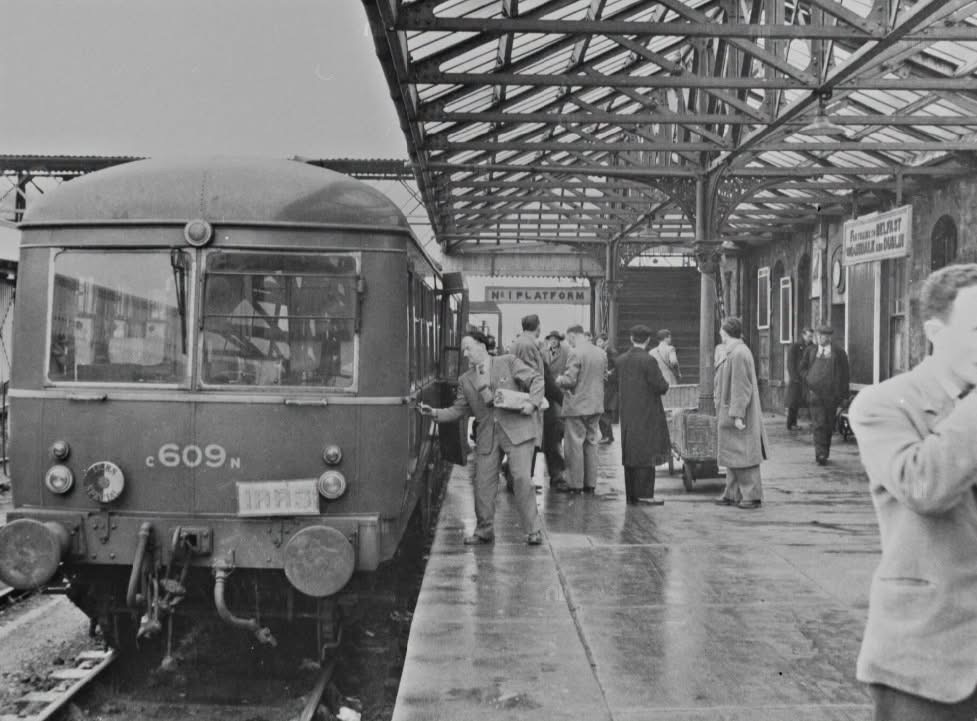
The High Cross Shaft is 10th century, but head came later in 12th … |
 | Halligan of Kilkea, Lisnavagh & Rathvilly, County Carlow |
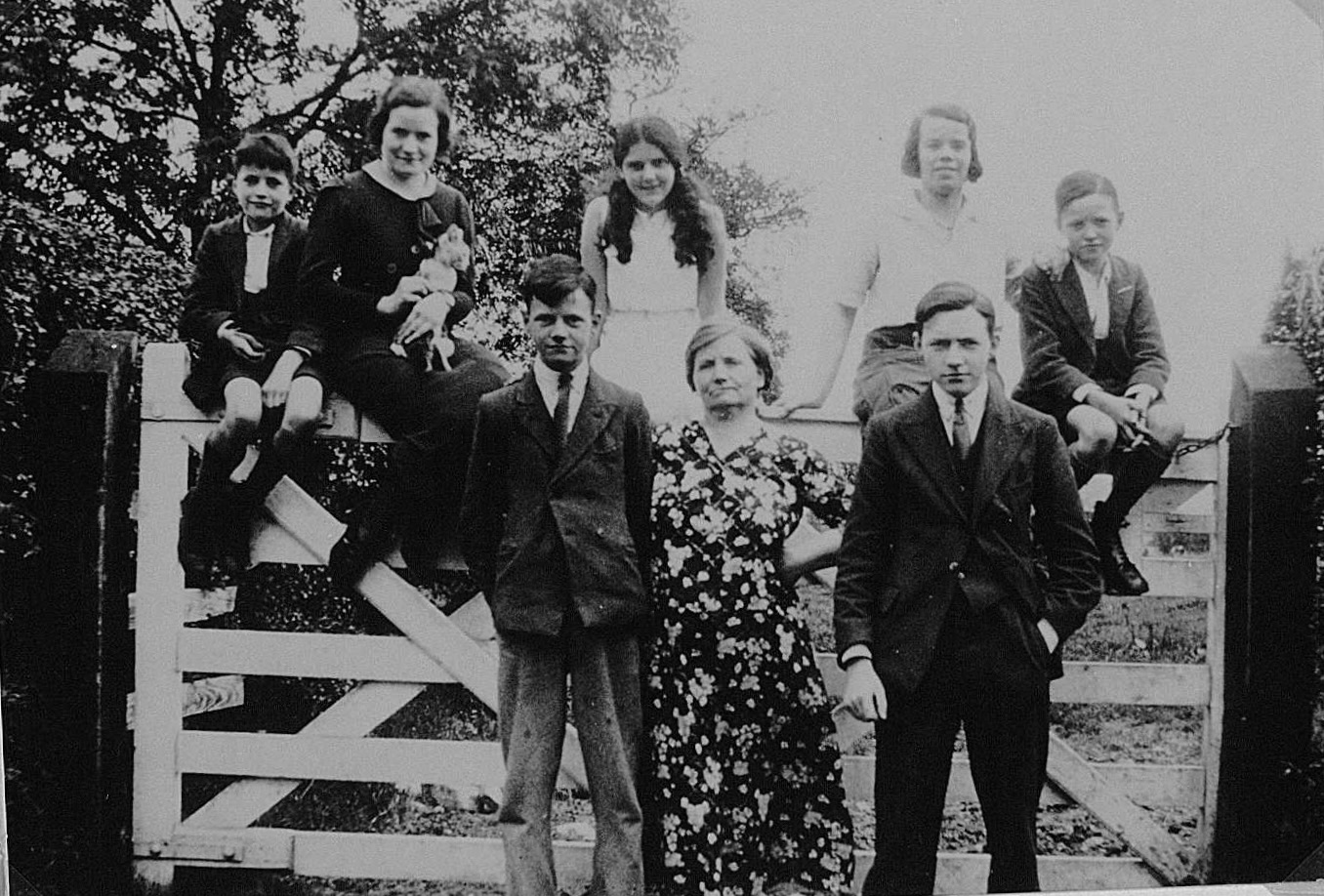
Following the trail of a family well known in the Rathvilly area of County Carlow as funeral directors, garage mechanics and community stalwarts. |
 | Hord of Kentucky & Virginia |
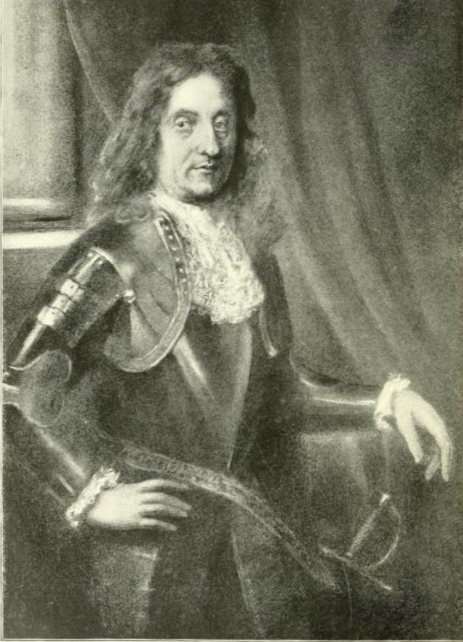
Tracing the Hord family from its claimed medieval roots in Shropshire, through Ewell, Surrey and the Manor of Cote in Oxfordshire, to colonial Virginia, Kentucky and Detroit. |
 | Thomas Bunbury (1705-1774) of Kill, County Carlow |
The life of a Georgian gentleman farmer in 18th century Ireland as he extends his land ownership from County Carlow into Longford and Kildare. Thomas Bunbury was grandfather of Jane Bunbury who married John McClintock of Drumcar, from whom the McClintock Bunbury family descend, and also of Field Marshal Viscount Gough. |
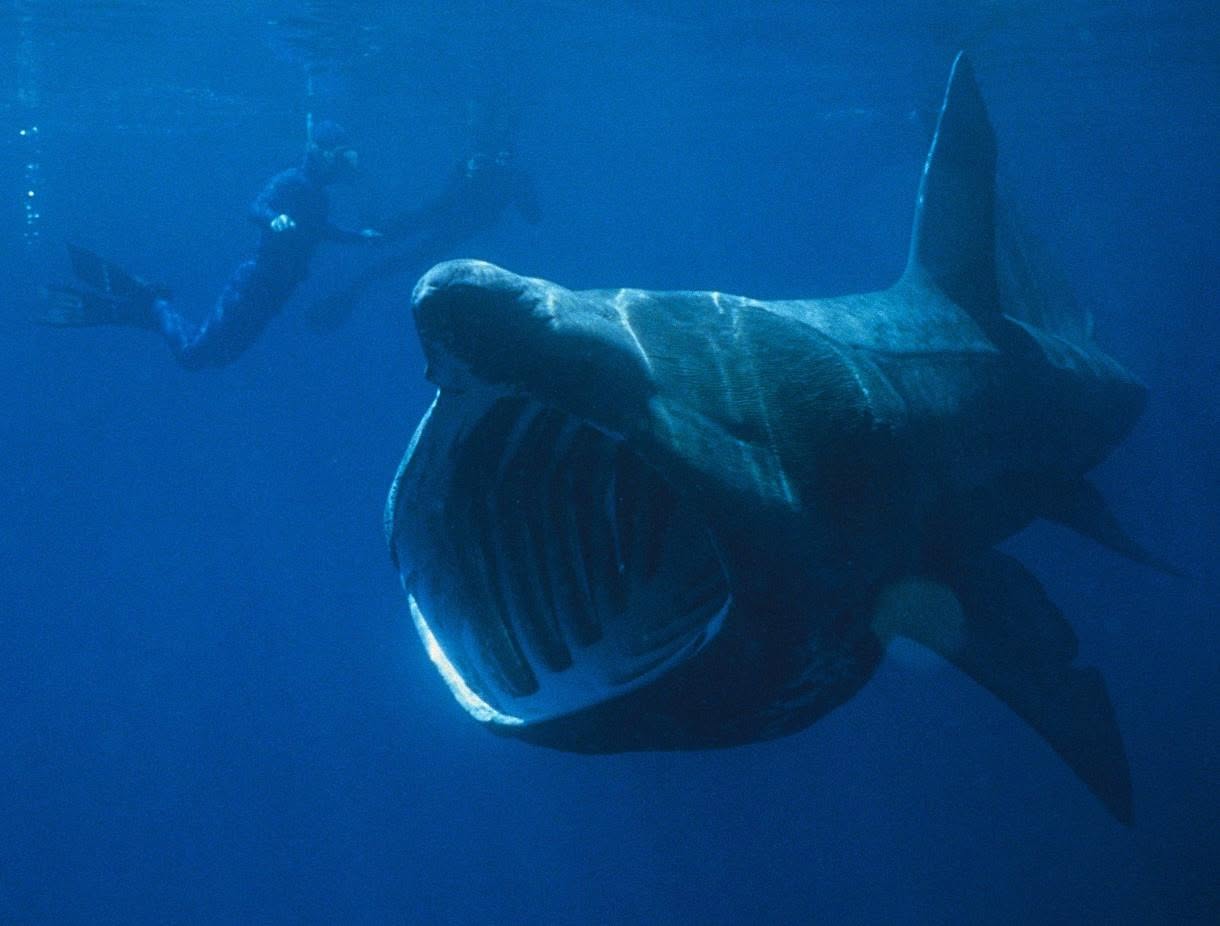 | Shark Tales: The Basker and the Porbeagle | The porbeagle and the basking shark are reminders that Ireland’s maritime history was not only about ships, fishermen and ports, but also about the extraordinary creatures that once sustained its coastal communities. |
 | County Donegal – Choose a Topic | Choose from these topics for stories of people, families, events and places connected to County Donegal’s past. |
 | County Mayo – Choose a Topic | Choose from these topics for stories of people, families, events and places connected to County Mayo’s past. |
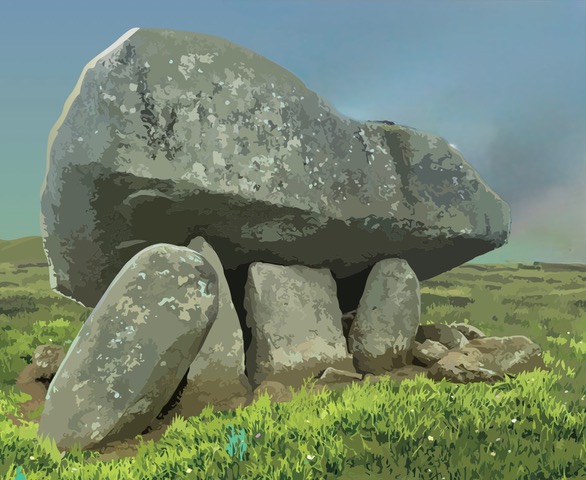 | Mysteries of the Neolithic Period |
Browne’s Hill Dolmen in Carlow opens a journey through Ireland’s megalithic landscape, from Neolithic portal tombs and stone circles to Newgrange’s winter‑solstice passage and the great cairns of Sligo, revealing a complex world of burial, ceremony and sky‑watching. |
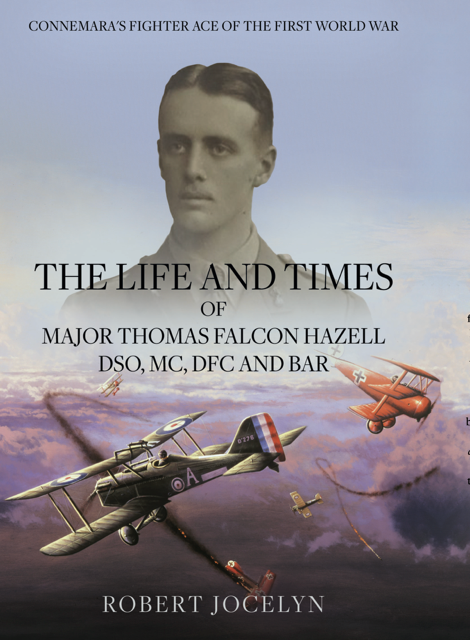 | ‘The Life and Times of Major Thomas Falcon Hazell' by Robert Jocelyn | The story of one of the Great War’s most formidable yet least remembered Irish airmen: a Connemara-born fighter ace credited with 43 victories, including ten observation balloons, and the most successful British or Irish ace to survive the conflict. |
 | Herald and Pandora: A Chronicle of Panama Belles, Irish Colonies & Giant Tortoises |
In 1847, Irish naval officer Henry Kellett was drawn into a secret British assessment of the Galápagos. His expedition, involving scientists and surveyors, exposed the islands’ strategic limits—and the devastating nineteenth-century trade in giant tortoises. |
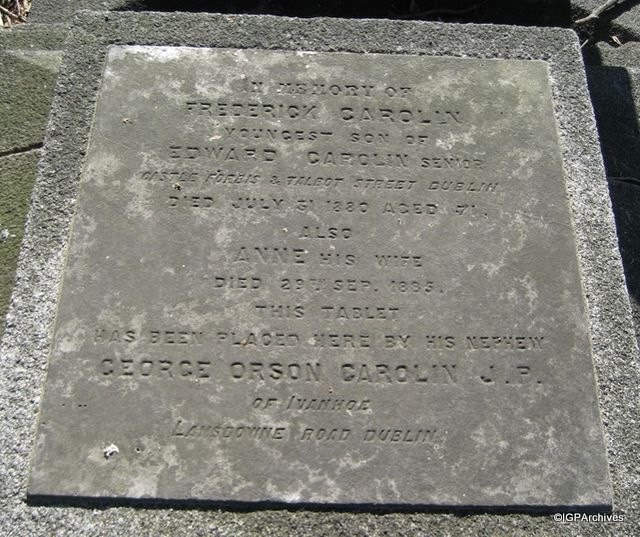 | Forbes of Castleforbes, Dublin City |
Two, and possibly three, lines of the Forbes family intersect in this story: the Dublin civic office-holders; the Quaker linen-merchants; and the Forbes family, Earls of Granard, whose Longford mansion was also called Castleforbes. Their precise relationships remain unproven. |
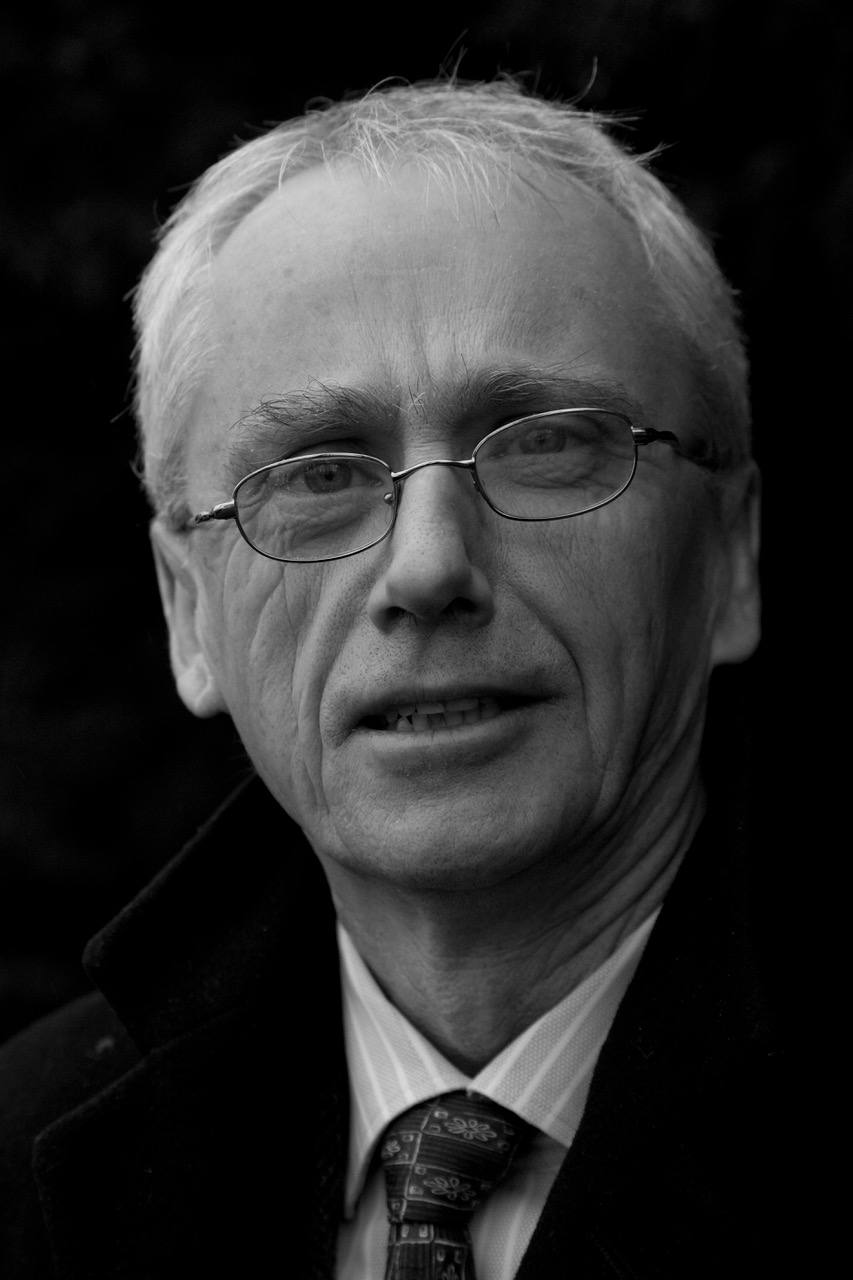 | John Treacy – World Champion Runner |
Waterford’s John Treacy rose from Villierstown’s fields to win back-to-back World Cross Country titles and Olympic marathon silver in Los Angeles, later leading Irish sport as CEO of Sport Ireland while remaining deeply involved in charity and community life. |
 | County Galway – Choose a Topic |
Choose from these topics for stories of people, families, events and places connected to County Galway’s past. |
 | The Glorious Madness – Tales of the Irish & the Great War (Contents) | ‘The Glorious Madness’ explores the lives of some of these people – including nationalists, nuns, artists, sportsmen, poets, aristocrats, nurses, clergymen and film directors – whose lives coincided with one of the most brutal conflicts our world has ever known. |
 | The Irish & the White House |
The White House was built by a fellow from Kilkenny and burned down by a man from Down. At least 22 of its presidential occupants had Irish roots, as did numerous other founding fathers and leading political figures in US history. This epic tale looks at the many, many connections between Ireland and the US presidents, including the White House staff over the years and the Irish links to the 2024 showdown between Kamala Harris and Donald Trump. |
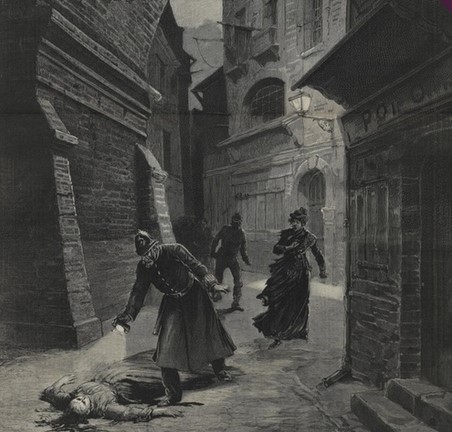 | Mary Kelly: Jack the Ripper's Fifth Victim |
She was said to have been born in Limerick, Ireland, of respectable parentage and raised in Wales. And yet, despite extensive searches and media coverage at the time of her murder, nobody came forward to claim kinship. |
 | ‘Bumper Jack’ – John McClintock (1743-1799) |
The builder of Drumcar House, John McClintock was one of the most prominent MPs during the age of Grattan’s Parliament, serving as MP for Belturbet and Enniskillen between 1783 and 1797. He was also Chief Serjeant of Arms to the Irish Parliament (when his wife’s cousin John Foster was Speaker of the Irish House of Commons) and Treasurer of the Northern Rangers. This story also takes in the remarkable tale of John Suttoe, a black man who worked for the McClintocks and married Margaret O’Brien from County Louth. |
 | Art of 1847 | Showcasing works by Dionysios Tsokos, Ford Madox Brown, Pavel Fedotov, Richard Airey, Antoine Wiertz, Charles Lees, David MacDonald, Friedrich Nerly, Thomas Websiter, John Everett Millais, Thomas Couture and others. |
 | 1847 – Contents | The contents page for Turtle's book ‘1847: A Chronicle of Genius, Generosity and Savagery' (Gill Books, 2016). |
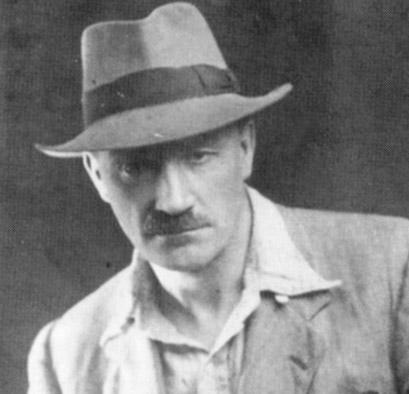 | Captain Jack White (1879-1945) & the Irish Citizen Army |
An account of the charismatic 1916 commandant, based on ‘Captain Jack White: Imperialism, Anarchism and the Irish Citizen Army’ by Leo Keohane. |
 | The Irish in Chicago | By 1890, Chicago had the third highest population of Irish emigrants in the USA. The city's heroes include Butch O'Hare, Captain Francis O'Neill, Richard Daley, Mother Jones and the men who built the I&M Canal. In the fall of 2024, Ireland House will open in the Chicago to house the Consulate General of Ireland and representatives from Ireland’s economic and trade promotion agencies. This page includes what is surely the most comprehensive list of Chicago-linked Irish-Americans online, thanks to Belinda Evangelista. |
 | County Limerick – Choose a Topic | Choose from these topics for stories of people, families, events and places connected to County Limerick’s past. |
 | A Wily Fox | Bob Watson probably counted foxes to get to sleep. His bloodline was as thickly fox-hunterish as you get and he himself was convinced he would be reincarnated as a fox. |
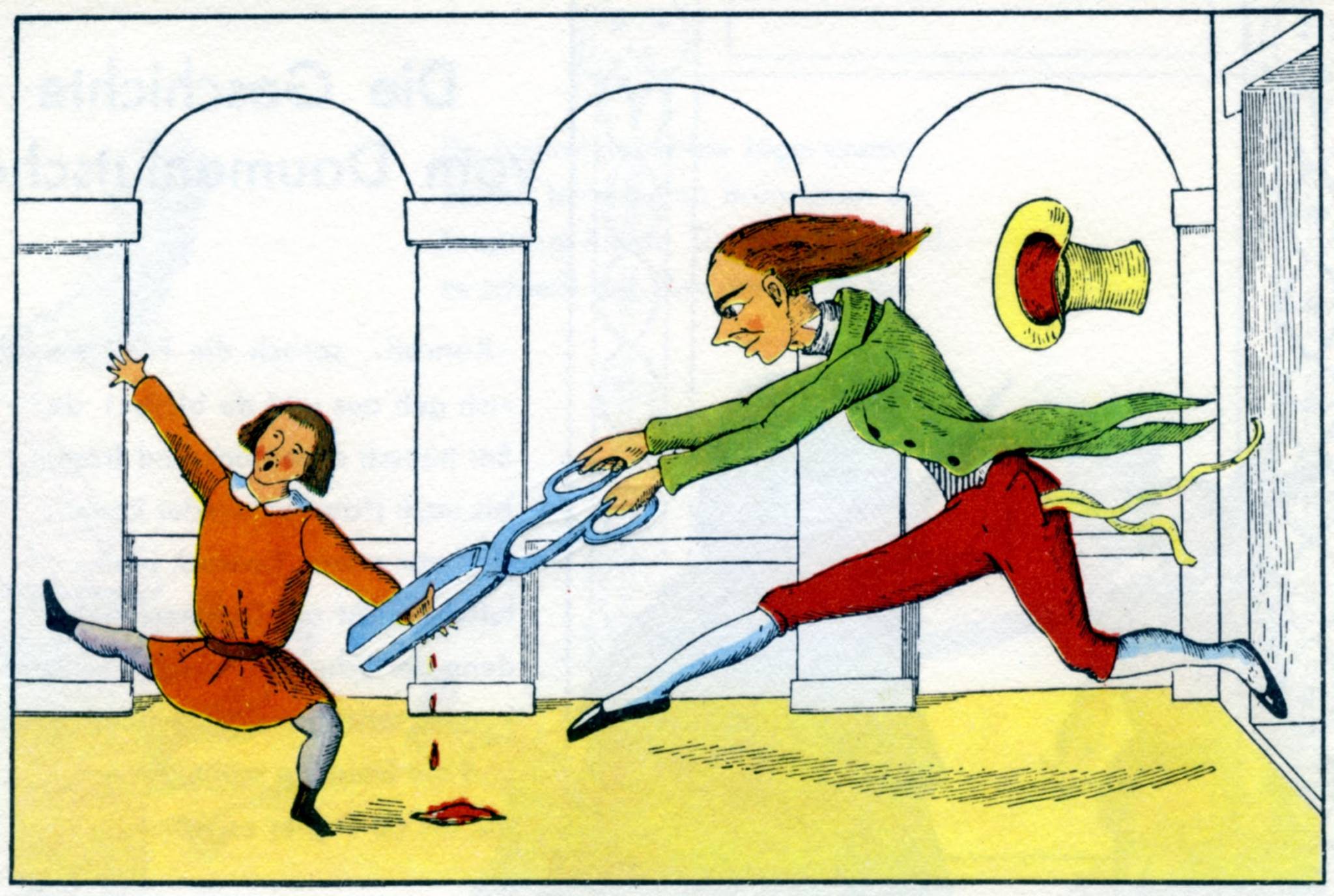 | Struwwelpeter: Merry Stories and Funny Pictures |
Child discipline is a subject that’s preoccupied humanity ever since Kane and Abel started giving their parents lip. Very few cautionary tales have carried as much potency as ‘Struwwelpeter’. |
 | Chicken or Egg? The Glevum Superior |
As of 2023, there are a staggering 33 billion chickens clucking, making them far and away the most populous birdbrain on the planet. One reason why there are so many chickens is that their eggs work very well. Indeed, given the right conditions, nearly all fertilised chicken eggs will hatch after 21 days. The key tool for this seismic eggsplosion was the artificial incubator … |
 | Richard Crosbie, Hydrogen Man |
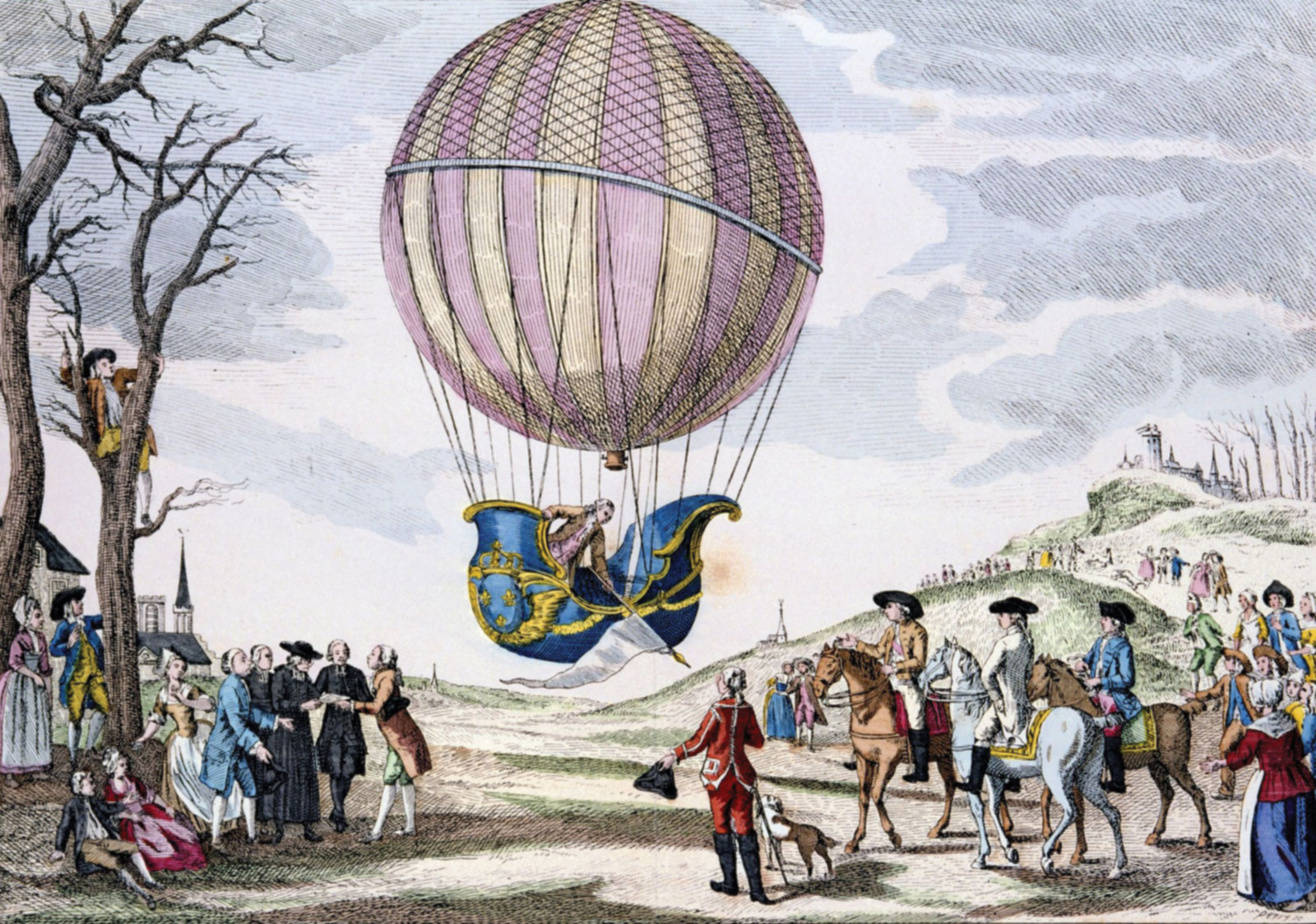
For a small fee, the public was invited to examine both his balloon and the “aeronautic chariot” which would carry himself, his equipment, scientific instruments and ballast. On the last day, he launched the balloon skywards with a cat on board. |
 | An Ode to Pagan Days (2001) |
This Halloween-flavoured column featured in The Dubliner in October 2001. ***** Perhaps it’s … |
 | A Sense of Purpose (2001) |
I don't want a war. Wars are horrible. They suggest that mankind thrives when killing one another. And that's not a view to which I can subscribe. |
 | County Dublin & Dublin City – Choose a Topic | Choose from these topics for stories of people, families, events and places connected to the city and county of Dublin. |
 | My Father & Other Animals |
This article was written as a tribute to the Veterinary Paddock in the Dublin Horse … |
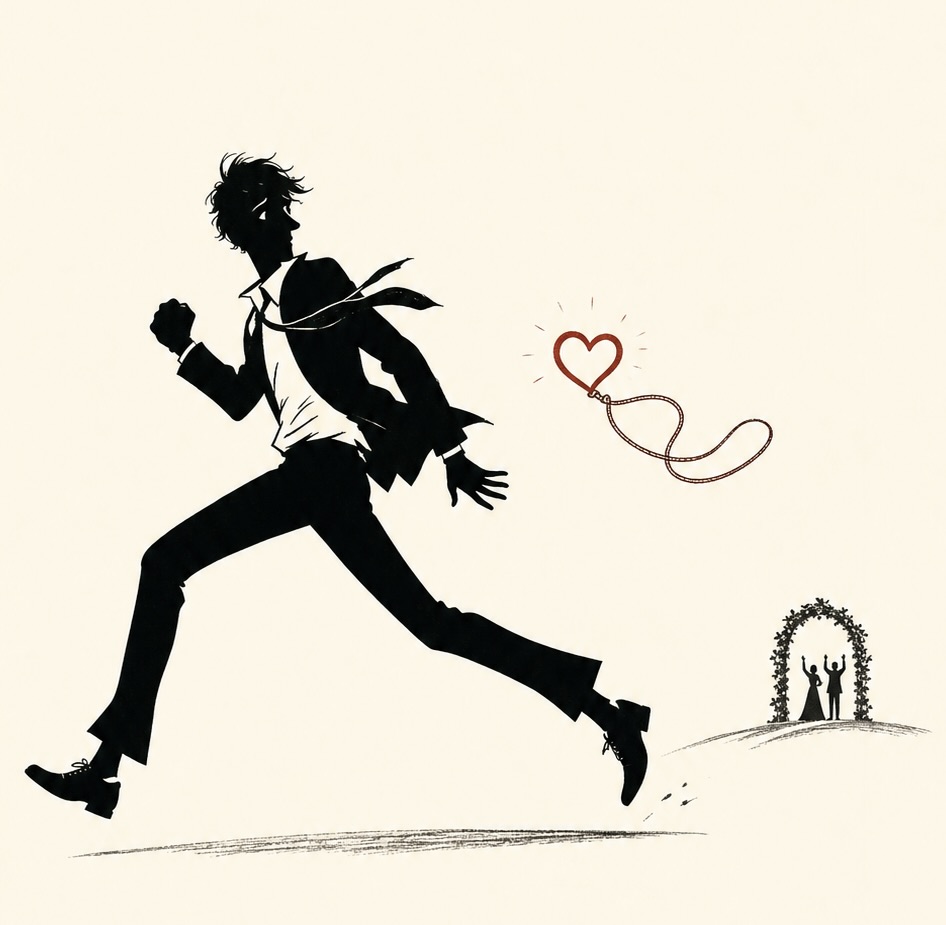 | Thoughts on Love & Marriage (2002) |
There was a time when being a bachelor was a perfectly normal profession. A man of wealth and taste who enjoyed the freedoms of life so often curtailed by marital vows and fatherly duties. His smile alone betrayed a life of overwhelming self-contentment. |
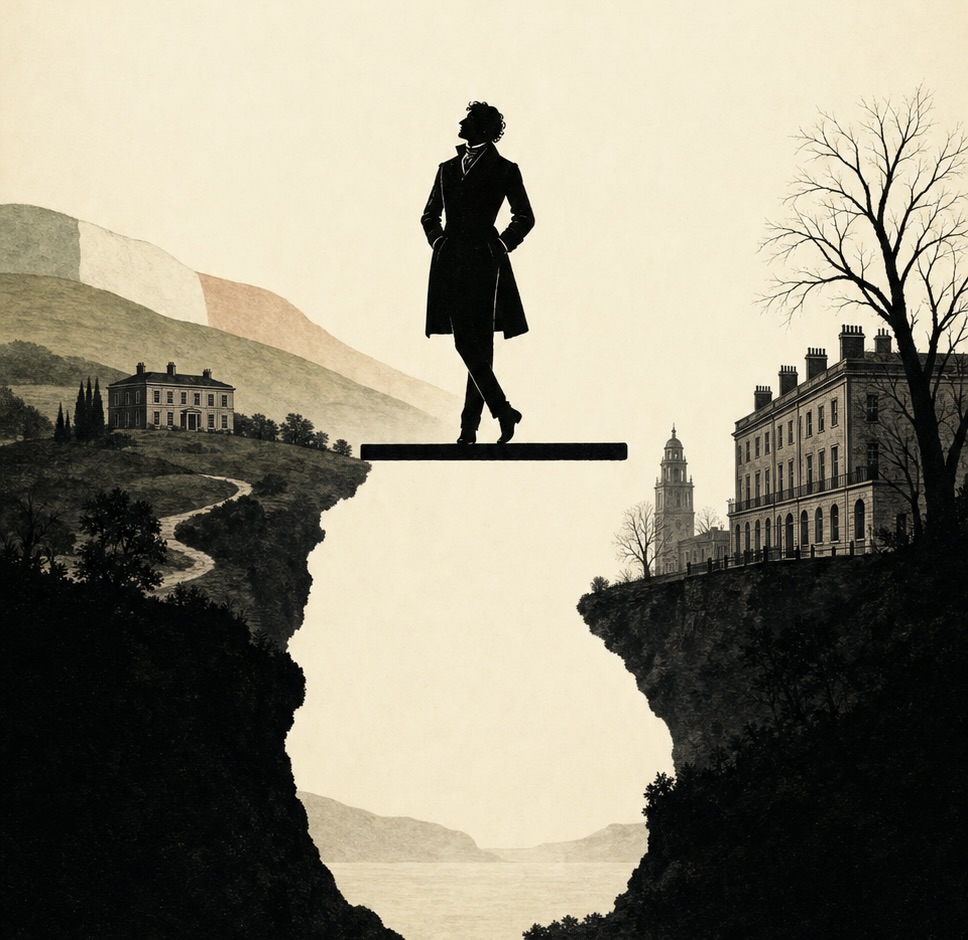 | Being Anglo-Irish – A Hyphenated Existence? (2001) |
This article appeared in The Dubliner in June 2001. Quarter of a century later, I … |
 | The Diving Bell on Sir John Rogerson's Quay, Dublin |
Strolling along Sir John Rogerson’s Quay on the south-side of Dublin’s Docklands, this huge salmon pink wrought iron yoke was a pioneering piece of engineering genius. |
 | Chapter 12: Naas Races – 2020s |
From ‘The Centenary of Naas Racecourse (1924-2024) – Nursery of Champions’ by Turtle Bunbury. … |
 | The Irish Pub – On The Road |
Over the course of 2007 and early 2008, James Fennell and I visited every county in Ireland bar Leitrim, popping our heads into an estimated 700 pubs. We undoubtedly missed a heap of brilliant pubs but we returned home with 70 pubs photographed. We subsequently showcased 39 of those in the book, The Irish Pub, published by Thames & Hudson. |
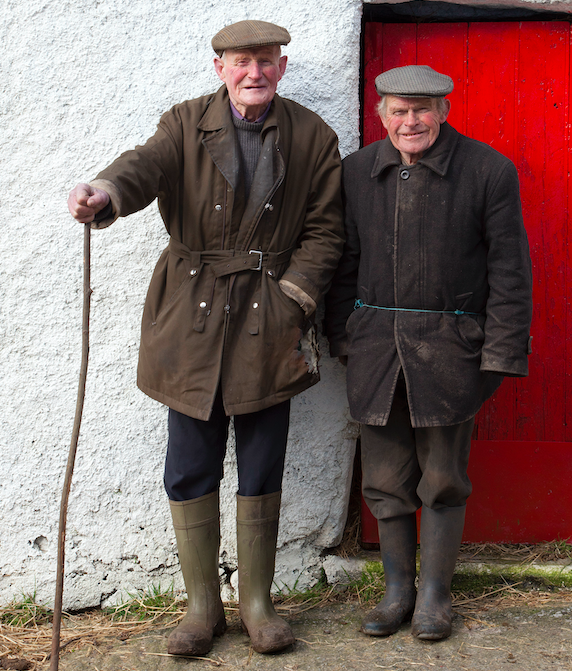 | The Murphys of Ballymurphy, County Carlow |
An interview with Simon Murphy (1929-2015) & Jimmy Murphy (1934-2018), the cover stars of the fourth Vanishing Ireland book, about their life as cattle and sheep farmers in the Blackstairs mountains above Ballymurphy, County Carlow. ‘I go up the mountain every day,’ says Jimmy. ‘A couple of hours or more. It takes that time to straighten it all out, start in the morning, go see this, see that, but sure I was always at it, do you know? |
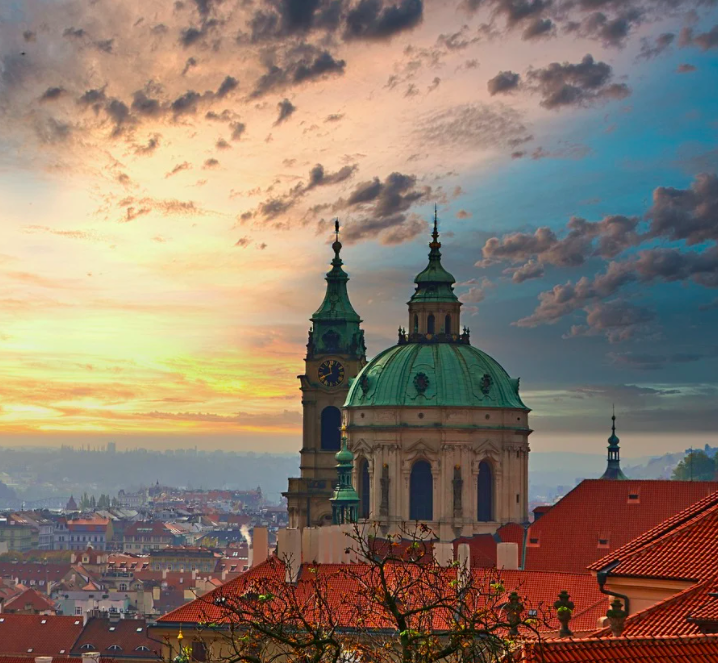 | Prague – Head Above Flood Waters (2002) |
A historical ramble around the Bohemian capital of Czechia, aka the Czech Republic, written shortly after the city was badly damaged by the worst flooding in its history. |
| Hells Bells! Ringing the Bobs in Christ Church Cathedral (2002) |
To be honest I was a little wary of getting too caught up in this bell ringing lark. It seemed to be an addictive, obsessional sport. As Martin took me on the rounds, I was introduced to the many echelons of bell ringing society. These boffins have a splendid jury-like randomness about their boffinity. | |
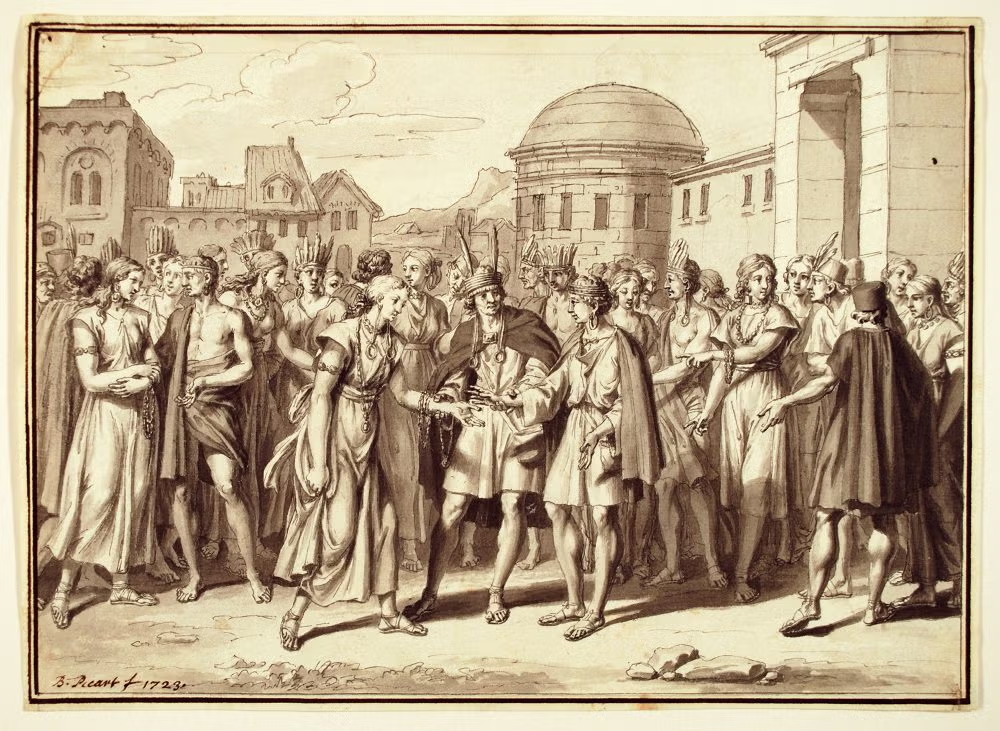 | Picart's Religious Cérémonies – Lighting the Attic |
Bernard Picart was one of the most prolific and talented engravers of the 18th century. ‘Cérémonies' sold over 3000 copies in 1738 alone, despite its prohibition by the Vatican. That would have been easily enough to make The New York Times best-sellers list today. |
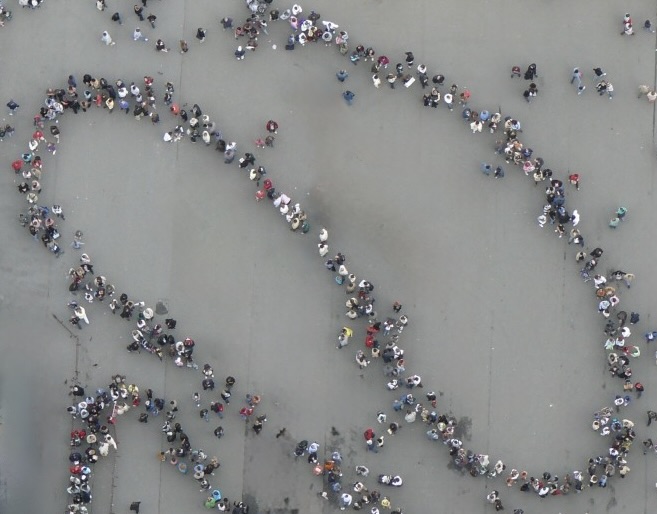 | The Pearly Gates (1997) |
The idea of joining a long queue might not have struck a favourable chord with our Neanderthal forbears, but in today's hurly-burlied world there is a strong and rising surge of opinion in favour of the concept. From BC Magazine, 1997. |
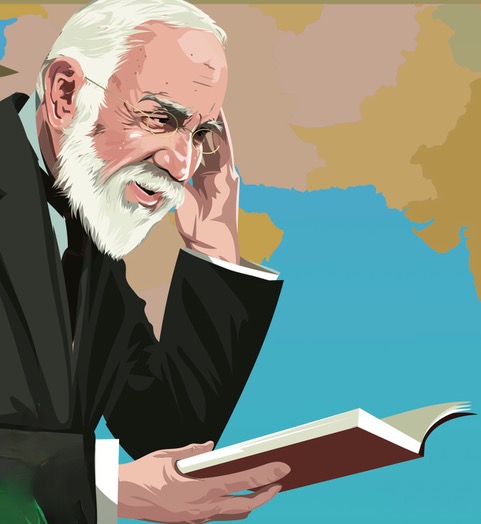 | Notes on Ardee, County Louth |
Looking at notable figures from Ardee, Ireland, including Sir George Grierson, a linguistic scholar known for his Linguistic Survey of India, Beatrice Hill-Lowe, the first Irishwoman to win an Olympic medal, and Éamonn Ceannt, a key leader in the Easter Rising. |
 | A History of Bishopscourt, Clones, Co. Monaghan |
Built as a rectory for the Church of Ireland during the Napoleonic Wars, Bishopscourt was considered such a fine abode that two Bishops of Clogher opted to use it as their main place of residence during the first decades of the 20th century. This tale takes in the Lennard family, scions of a natural daughter of Charles II, as well as Cassandra Hand, champion of Clones Lace; the dairying enterprise of the Mealiff family; the fabulously named Baldwin Murphy; and the enigmatic Archie Moore, Consultant Surgeon at Monaghan General Hospital. |
 | Investigating the Origin & Purpose of Ireland's Round Towers |
There are 67 confirmed round towers in Ireland, where at least a part survives, as well as 23 sites that are generally accepted to have ‘once’ been home to a round tower. Could their original purpose have been astronomical? |
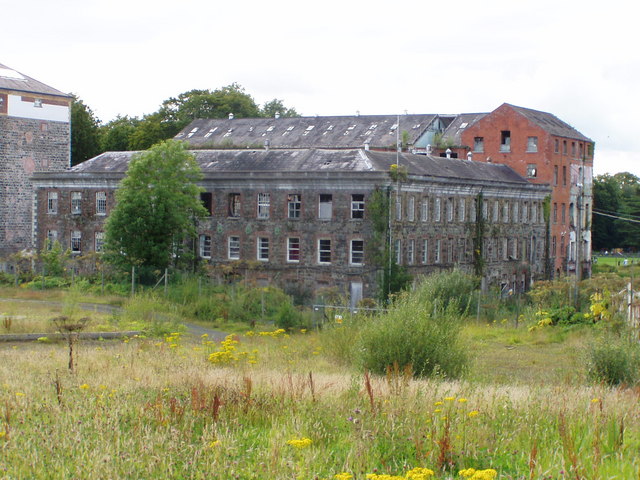 | Notes on Gilford, County Down |
From Magill’s Ford plantation days and the great linen mill to Seamus Kelly’s hand‑made instruments, fantasy writer Herbie Brennan’s childhood and the success of footballer Charlie Gallogly and actor Jude Hill. |
![Memorial to Michael Fay, Rathvilly, erected in 2021.
"From Flanders plain across the Main,
There came a soldier bold,
who changed his mind, a place to find,
Beneath the Green and Gold,
In England's war he fought till it was o'er,
And his name was Michael Fay
By Barrow banks he joined the ranks,
The ranks of the IRA.' [1]](https://turtlebunbury.com/wp-content/uploads/2022/01/8E3E5064-9048-4B37-8A07-1BB07E1FFF5F_1_105_c.jpeg "Memorial to Michael Fay, Rathvilly, erected in 2021.") | Michael Fay (1899-1921) | Michael Fay was killed in an ambush at Ballymurphy, County Carlow, in 1921. Born in Dublin, he grew up a virtual orphan before joining the British Army as a teenager in the First World War. He subsequently moved to Carlow where he worked as a gardener (possibly at Lisnavagh) and coachman / chauffeur (at Altamont). In 1920, he joined the Irish Republican Army who assigned him to the Carlow Brigade’s Active Service Unit. These notes were assembled when I was asked to deliver a speech at the launch of a memorial to him in Rathvilly on the centenary of his death. |
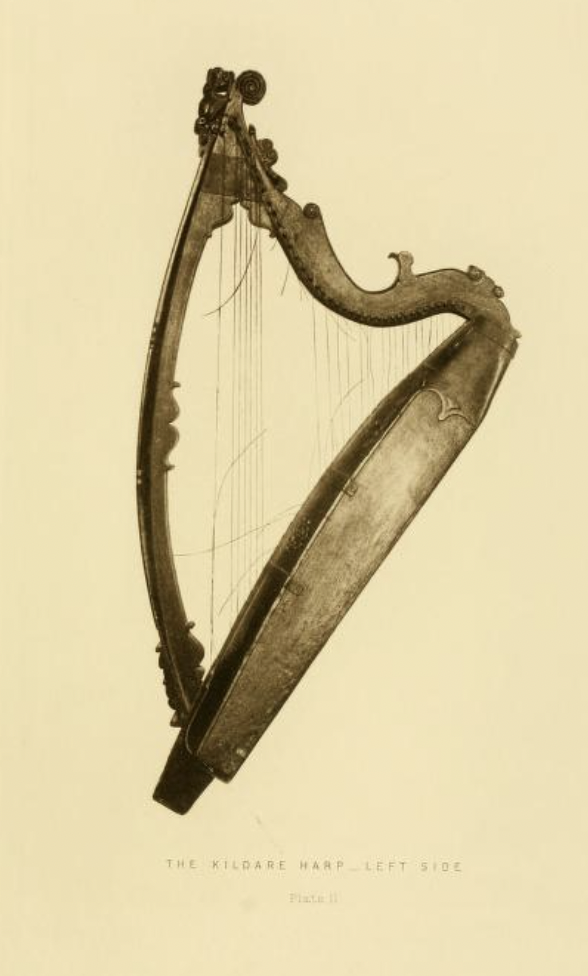 | The Irish Harp |
For centuries the wire‑strung Irish harp stood at the centre of Gaelic society, praised by Giraldus Cambrensis and later admired at the courts of Elizabeth I and Anne of Denmark, where Irish harpers performed as prestigious, politically significant musicians. |
 | William Bunbury (c. 1674-1710) of Lisnavagh, Co. Carlow |
William was given the lease on Lisnavagh and Tobinstown by his father in 1695, the year before he married Elizabeth Pendred and commissioned the construction of the original house at Lisnavagh. This page provides some historical context on William's relatively short life, along with some speculations about the first house and its surrounding landscape. |
 | Coptic Ireland – A Chronology |
A chronology of events, mostly related to Egypt, some of which may have had a long term influence or impact on the evolution of Christianity in Ireland and, therefore, Europe. |
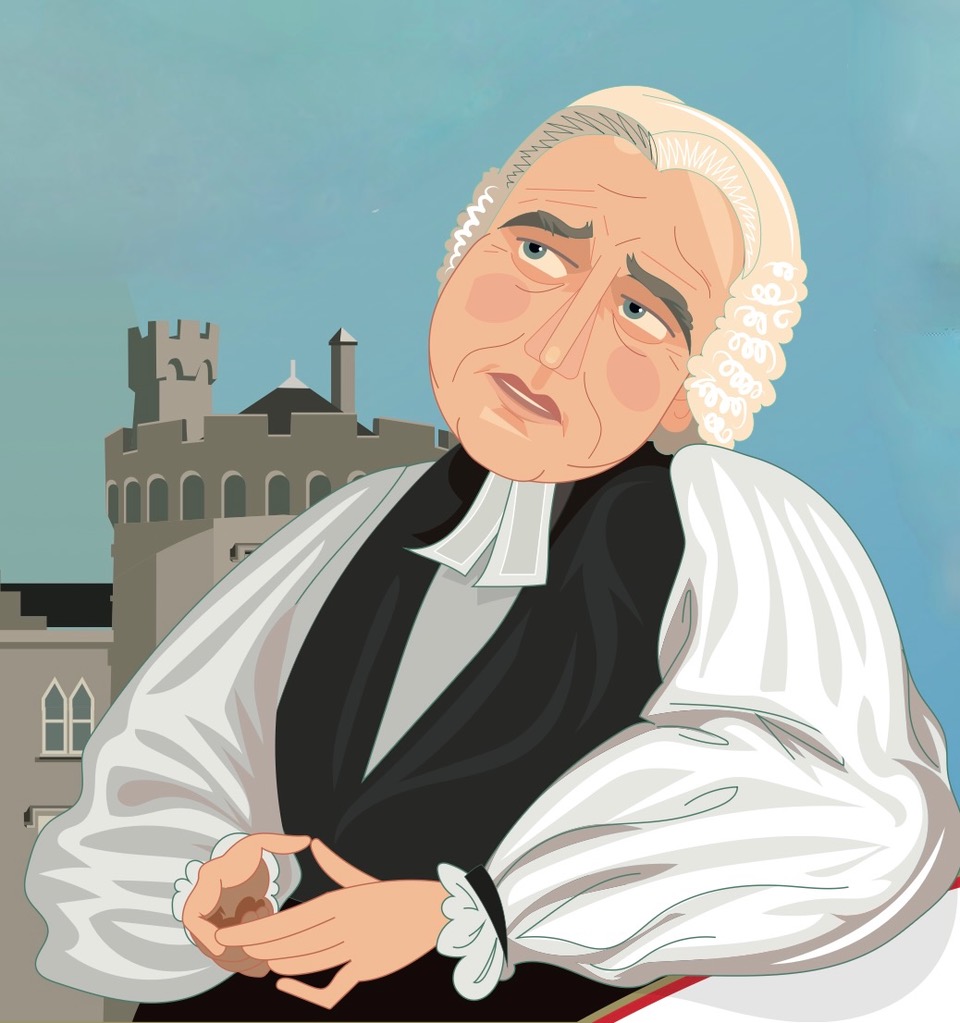 | Baron Dunboyne (Butler) |
The Butlers of Scatorish and Maiden Hall, County Kilkenny, descend from a branch of the Viscount Dunboyne’s descendants who settled at Priestown, County Meath, returning to County Kilkenny in the nineteenth century. |
 | Matthias Buchinger (1674-1739) – A Most Astonishing German in Ireland |
The mind-bending tale of a German magician, musician and master of calligraphy who spent twenty years in Ireland, probably inspiring Jonathan Swift’s Lilliputians, and died in Cork, yet never grew higher than twenty-nine inches. |
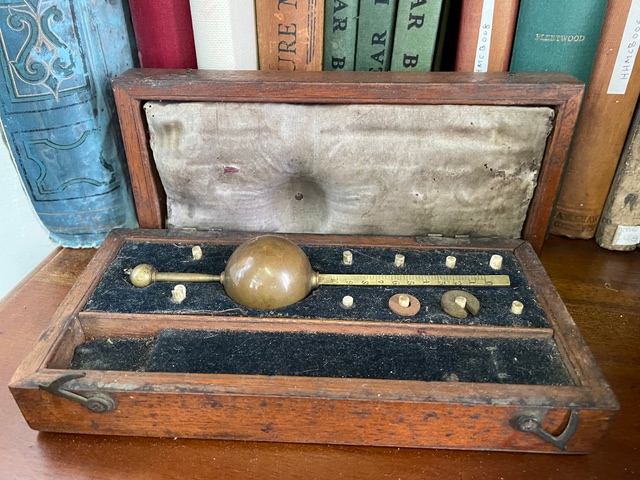 | Protected: The Sikes Pocket Hydrometre | There is no excerpt because this is a protected post. |
 | Bunbury Baronets in England (1618-1886) |
A quick overview of the Bunbury baronets in England, including the Jacobite supporter Sir Harry Bunbury and the family of Sir Charles Bunbury, Admiral of the Turf, and Henry William Bunbury, the artist. |
 | Titanic – The Irish Connections | At least 79 of the 1,517 passengers and crew who died when Titanic sank were born in Ireland. Built in Belfast, the Irish connections of the White Star liner were many and varied. |
 | Notes on Castleknock, County Dublin |
Looking at the connections to Caisleán Cnucha, Finn MacCool, the crusader Hugh Tyrell, the filming of “Young Cassidy,” local legends like the White Lady, the siege of Castleknock Castle, a remarkable German jockey and other tales. |
| Protected: Helen Roe’s Magic Lantern | There is no excerpt because this is a protected post. | |
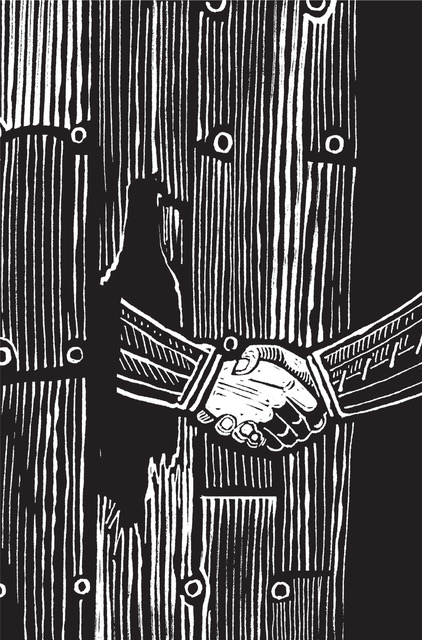 | The First Eight Earls of Ormond (1327-1539) |
The Butler earls of Ormond operated one of medieval Ireland’s dominant dynasties, centred on Kilkenny and Tipperary. From James Butler, 1st Earl (created 1328) through the “Noble Earl” and the cultured “White Earl,” they combined royal service, war in France, and control of the palatinate of Tipperary. Later earls like the fabulously rich “Wool Earl” and Red Piers navigated the Wars of the Roses, Tudor politics, and the Boleyn marriage connection, keeping Butler power central in Ireland for centuries. |
 | Spotlight on Belfast – City of Music & Joy |
Host to the 2026 Fleadh Cheoil na hÉireann and a place on National Geographic Traveller's prestigious Cool List 2024 underlines the positivity around Northern Ireland's progressive capital. “Belfast's heart beats fervidly with music, it is in our DNA”, says Snow Patrol’s Gary Lightbody. Awarded prestigious UNESCO City of Music status, as well as the Turner Prize, 2021, the port city remains firmly on the up. |
 | A Historical Odyssey through Dublin’s Literary Pubs |
The pub and the pen have always gone hand in hand, especially in Dublin. That’s why the city is so celebrated for its playwrights and poets and authors from Jonathan Swift to Oscar Wilde to Flann O'Brien to Sally Rooney. That's why Dublin is a UNESCO City of Literature, with an annual Book Festival; why three of the bridges that span the Liffey are named for writers; why it offers one of the richest literary prizes in the world; why Dublin was home to all four Irish-born winners of the Nobel Prize in Literature and why it has connections to all six of Ireland's Booker Prize winners. This story explores the pub side of things. |
 | Notes on Adamstown (Baile Adaim), County Dublin |
Stories of Adamstown Castle, the Lucan Formation, the Great Esker Highway, Charles II's saviour, aviation pioneer Darby Kennedy, 1798 icon Napper Tandy and how the Duke of Leinster dug the Great Southern and Western Railway line. |
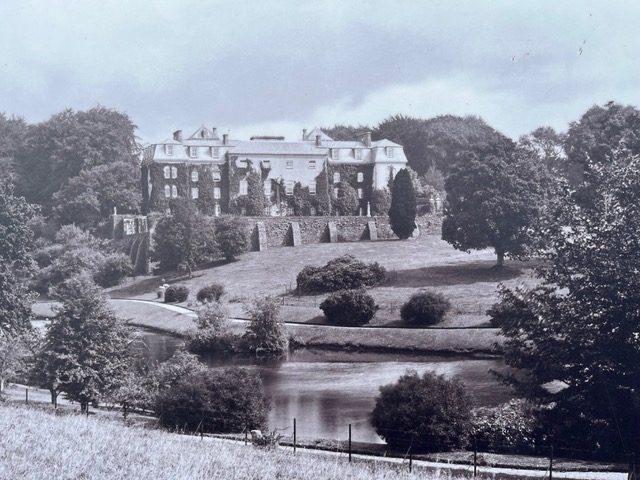 | Heywood House and Gardens, County Laois |
Between 1916 and 1929, Leonard Hutcheson Poe (1888-1929) was the agent at Lisnavagh and lived in Germaines. |
 | Stronge of Tynan Abbey, County Armagh | The dramatic tale of the Stronge family from their arrival in Ireland on the eve of the siege of Derry through to the brutal murder of Sir Norman Stronge and his son James by the Provisional Irish Republican Army in 1981. |
 | A Fatal Friendship – Kevin O’Higgins & Rory O’Connor |
In 1921, Rory O’Connor stood as best man when his old friend Kevin O'Higgins married Birdie Cole in Dublin. The friendship would be torn apart with the outbreak of the Irish Civil War, during which O'Higgins gave the order for O'Connor to be executed. O'Higgins, the second most senior politician in Ireland, would be assassinated in 1927. During his last months, he was engaged in a romance with Lady Lavery. |
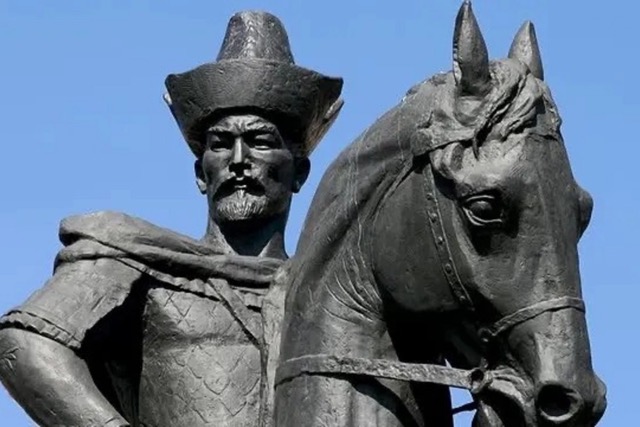 | The Rise and Fall of Khan Kenesary of Kazakhstan, 1847 |
Kenesary Kasymov led a 19th-century Kazakh rebellion against Russian colonial rule, seeking to restore Kazakh sovereignty and traditional governance. Despite his brutal tactics, he became a national hero post-independence. A 1837 manifesto attributed to him also appeals for autonomy, shaping Kazakhstan’s modern identity. Also here is the tale of Eset Kotibarov's rebellion in the Emba region. |
 | The Trench Family, Earls of Clancarty |
A remarkable family, descended from a French Huguenot refugee whose grandson established the family at Ballinasloe in County Galway. Headed up by the Earl of Clancarty, its prominent figures include one of the architects of modern Europe after Napoleon's fall, a 20th century UFO expert and a celebrated dancing girl of the Victorian Age. |
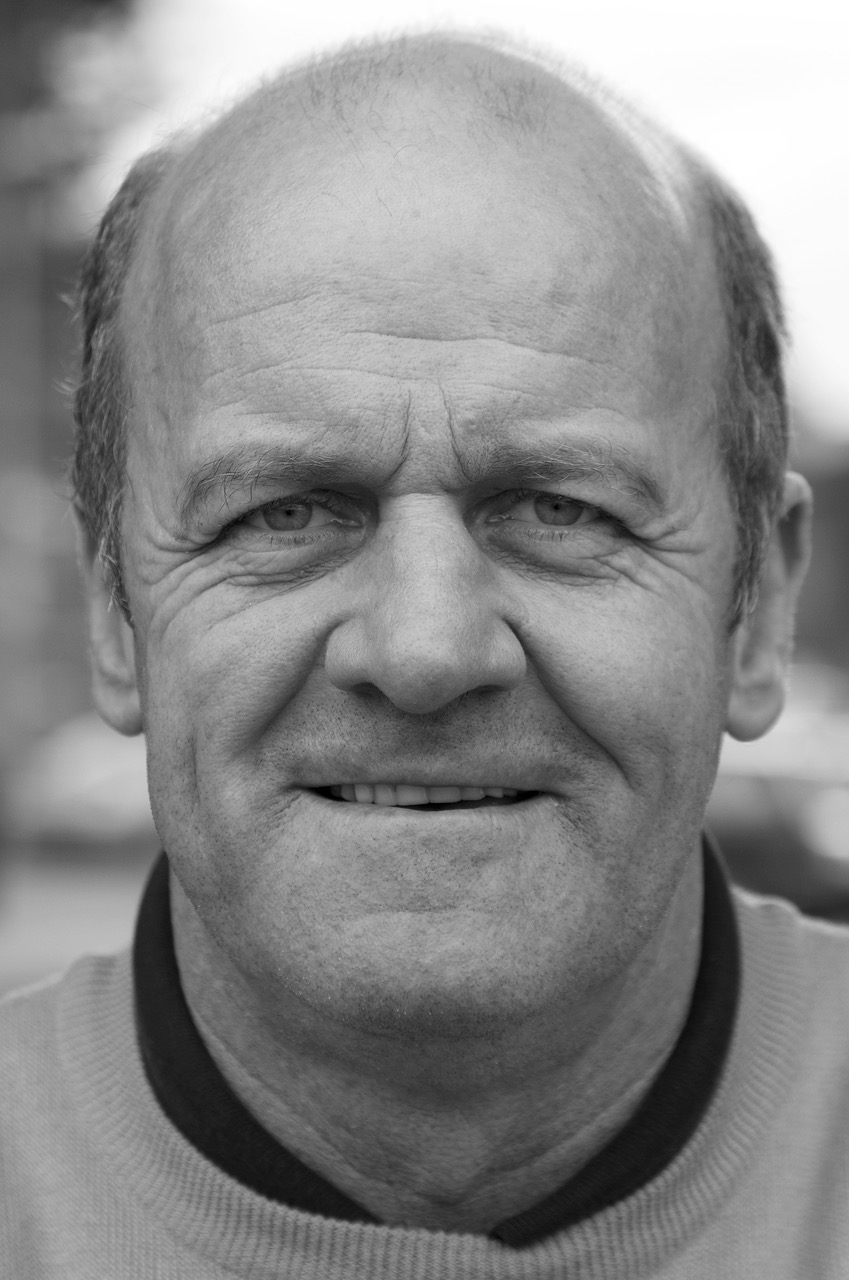 | Jack O’Shea – Gaelic Footballer (Kerry) |
The Cahersiveen-born Kerry legend rose from a hard-working, sport‑mad childhood to become an all‑time great midfielder with seven All‑Ireland titles, six consecutive All‑Stars and four Footballer of the Year awards, later working as a plumber, manager, columnist and maintenance manager. |
 | County Waterford – Choose a Topic | Choose from these topics for stories of people, families, events and places connected to County Waterford’s past. |
 | Sporting Legends of Ireland (Contents) | Portrait interviews with 44 of Ireland's leading sportsmen and women, probing the question as to whether they were simply born to greatness or was it all about how much they trained and a certain degree of luck. |
 | County Kerry – Choose a Topic | Choose from these topics for stories of people, families, events and places connected to County Kerry’s past. |
 | Notes on County Carlow | The stories of a man born without limbs who became an explorer, as well as the Czech engineer who invented the water-bike, the murder of a Hollywood director, the prince of Antwerp who made Carlow his home, the crazy doctor who blew up Carlow Castle and the mystery of one of the world’s biggest ancient monuments. Extracted from Past Tracks, with Irish translations by Jack O'Driscoll. |
 | Notes on Rush and Lusk, County Dublin |
See here for more stories of County Dublin Cuchulainn’s Wife Eimear, the wife … |
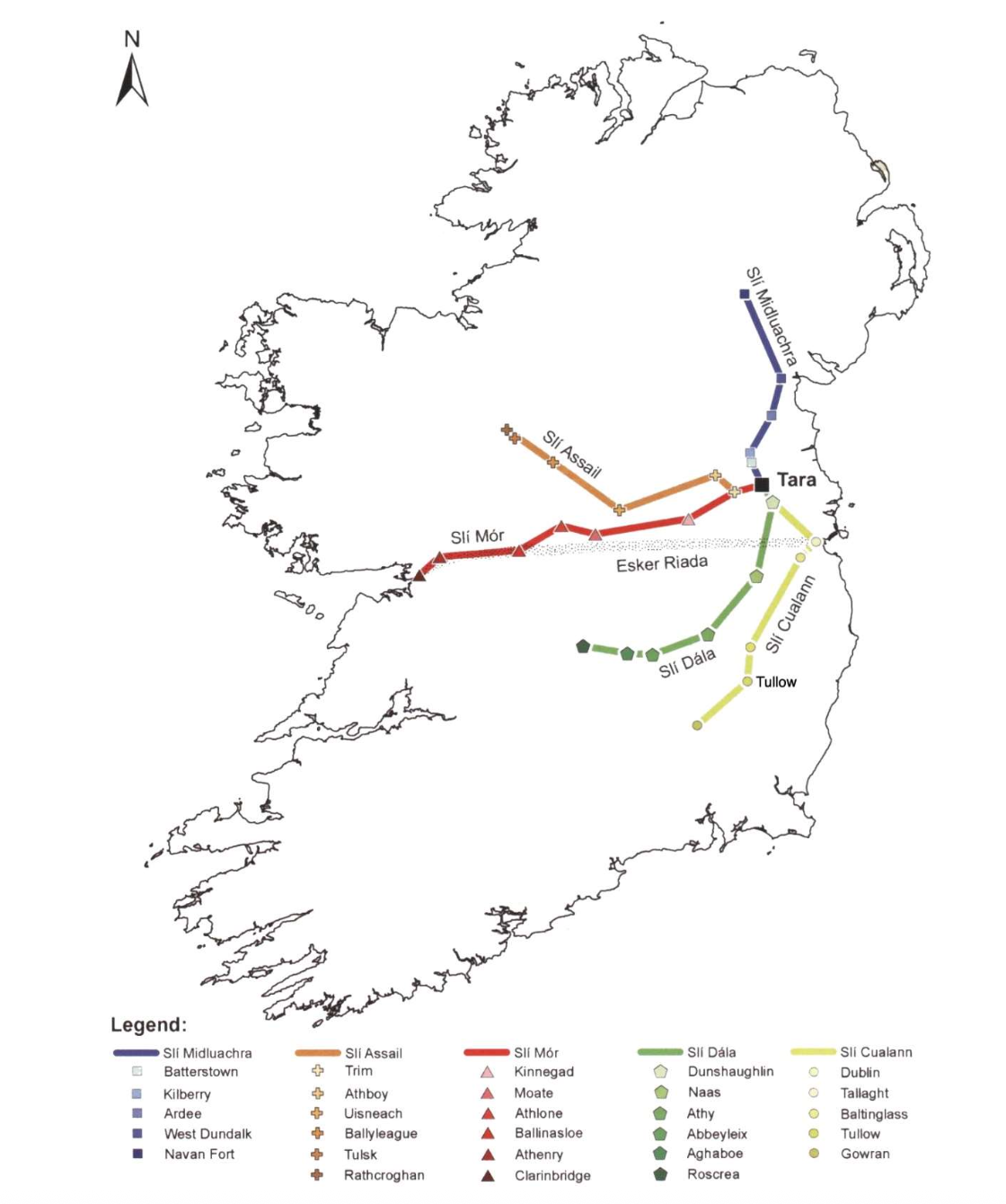 | Notes on the N81 |
Tracing the reconstructed route of Slíghe Chualann from Dublin/Tallaght via west Wicklow to Tullow and Old Leighlin, interweaving scholarship with detailed local geography: meltwater channels, rivers, valleys, and present‑day roads and townlands. |
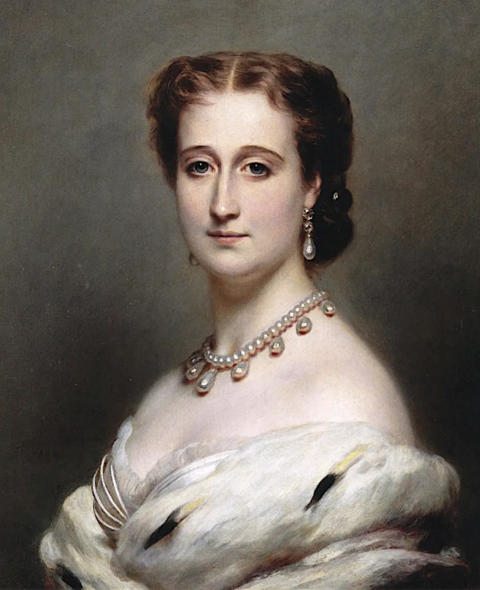 | The Birth of Cartier, 1847 |
Tracing the history of Cartier, the global luxury brand, from its foundation in 1847 in Paris through its royal connections and innovative wristwatch created for aviator Alberto Santos-Dumont, ahead of a major 2025 exhibition at the V & A Museum in London. |
 | Captain William McClintock Bunbury, Part 3: Lisnavagh House & Westminster MP (1835-1866) |
This part takes up from William’s retirement from the navy, after 20 years at sea, and the complete revolution in his life in 1846 when, in the space of 5 weeks, he succeeded to his wealthy uncle’s fortune and became MP for Carlow, just as Peel’s government collapsed and the potato blight began to scorch the land. It looks at his sojourn in County Fermanagh, his marriage into the Stronge family of Tynan Abbey, his political term at Westminster and the construction of Lisnavagh House. |
 | The Gough Family – Irish War Heroes |
A family with several Victoria Crosses and a Field Marshal to their name, the Goughs started out as clergymen in County Limerick before becoming imperial warriors with the British Empire. |
 | Notes on the Howth Head Peninsula, County Dublin |
When the ancient Egyptian cartographer Ptolemy sketched his map of the known world some 1900 years ago, he sketched the Howth Head peninsula on the north side of Dublin Bay as an island. Some hold that Howth was also known to the Phoenicians. Here are a dozen highlights from Howth's history from ancient deer to Russian mutineers, the famous gun-run to a lesser known hero of 1916. |
 | Bunbury of Johnstown House, County Carlow, Ireland |
A branch of the Bunbury family lived at Johnstown House outside Carlow town for most of the 18th and early 19th century. This account looks at such characters as the travel writer Selina Bunbury and the pioneering postmaster Sir Henry Noel Bunbury, as well as connections to the Irish Volunteers, William Pitt, Charles Darwin, Sir Francis Galton, Oscar Wilde, the Connellan family and sub-branches in Liverpool, Essex, Miami and Cuba. |
 | Hugh Gough – Of Opium Wars & the Punjabi Sikhs |
Hugh Gough commanded in more battles than any other British soldier of the nineteenth century save for his fellow Irishman, the Duke of Wellington. This included his victories in the Opium War and the Anglo-Sikh Wars. His mother was a Bunbury. |
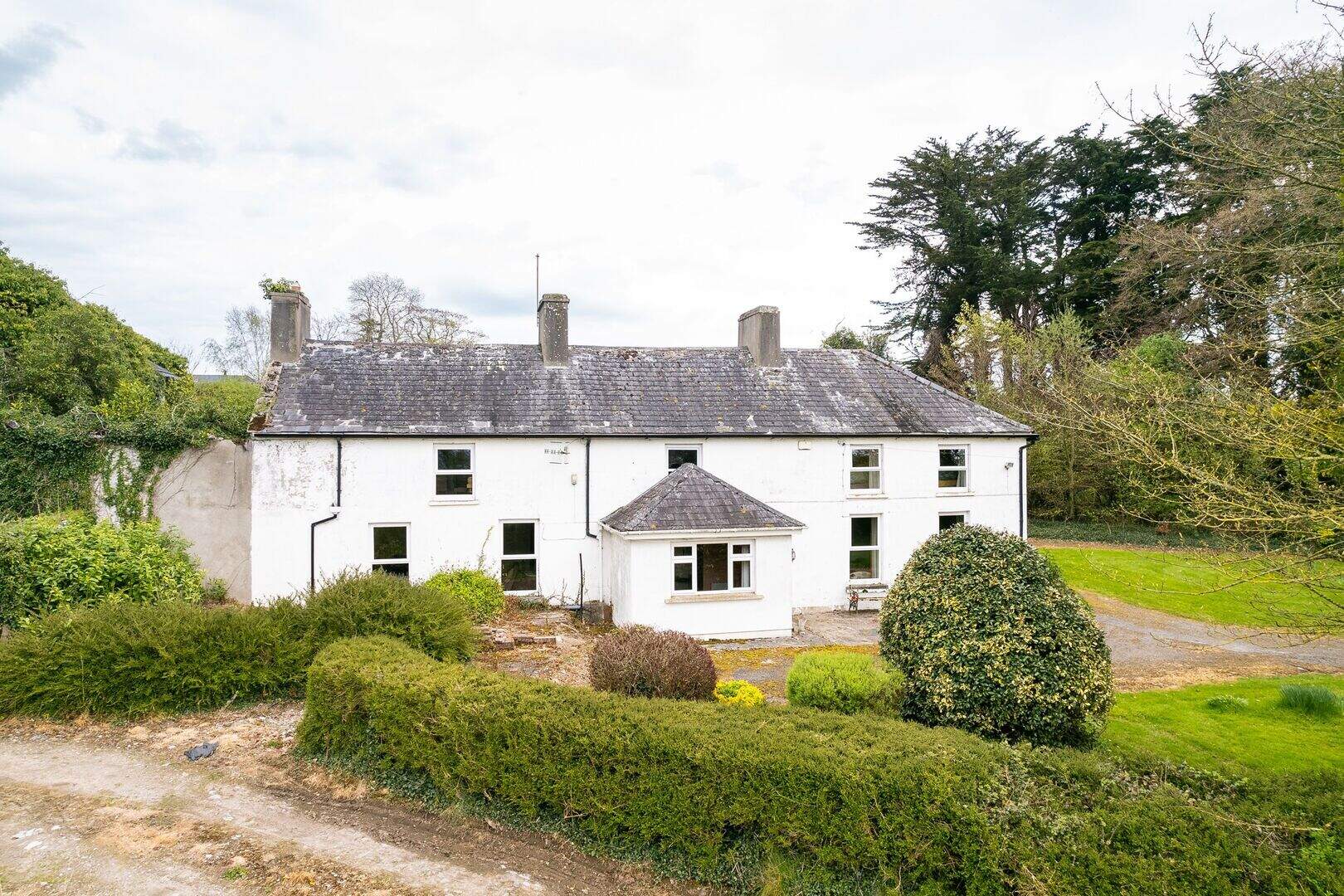 | McCraith of Loughlougher House, County Tipperary |
See here for more stories of County Tipperary Clann Chraith Clann Chraith would … |
 | Bunbury of Kilfeacle & Shronell, County Tipperary |
Following the descendants of Mathew Bunbury (1675-1733), fourth son of Benjamin Bunbury of Killerig, Co Carlow, from Tipperary and Kilkenny to Borneo and Australia, including the family of Field Marshal Lord Roberts and Henry Sadleir Prittie, 1st Baron Dunalley. |
 | William Bunbury III of Lisnavagh (1744-1778) |
William was the great-grandson of the first Bunbury to settle in Ireland. He married the heiress Katherine Kane, shortly before he was elected MP for Carlow in Grattan's Parliament. He was planning to build a new house at Lisnavagh when he was tragically killed in a horse accident in 1778. After his death, his widow took the family to live in Bath until their eldest son, Thomas, was old enough to return. William's posthumous daughter Jane would produce the future heir of Lisnavagh … |
 | Bunbury of Cloghna, Cranavonane & Marlston |
Descended from a younger son of Benjamin Bunbury of Killerrig, this branch settled in the region of the River Barrow in County Carlow. One ran The Bear Inn in Carlow. Another was a wine merchant on Bow Street, Dublin, who intermarried with the Mill family, wine merchants of Exeter. This marriage brought them to Marlston House, Berkshire. Family members include a leading diplomat in New Zealand, a Governor of St Lucia and a Privy Chamberlain to Pope Pius XI, as well as the ancestors of the Versturme Bunburys and the Guyana branch. |
 | Spike Island – Australian Convicts & the Vagrancy Act |
Between 1787 and 1868, over 30,000 Irish men and 9,000 Irish women were transported to the Australian colonies as convicts. The vast majority were held at Spoke Island before they departed for exile from Cobh, the County Cork seaport which had been renamed Queenstown in 1849. This article looks at the campaign to secure a posthumous pardon for those sentenced during the time of the Great Hunger. |
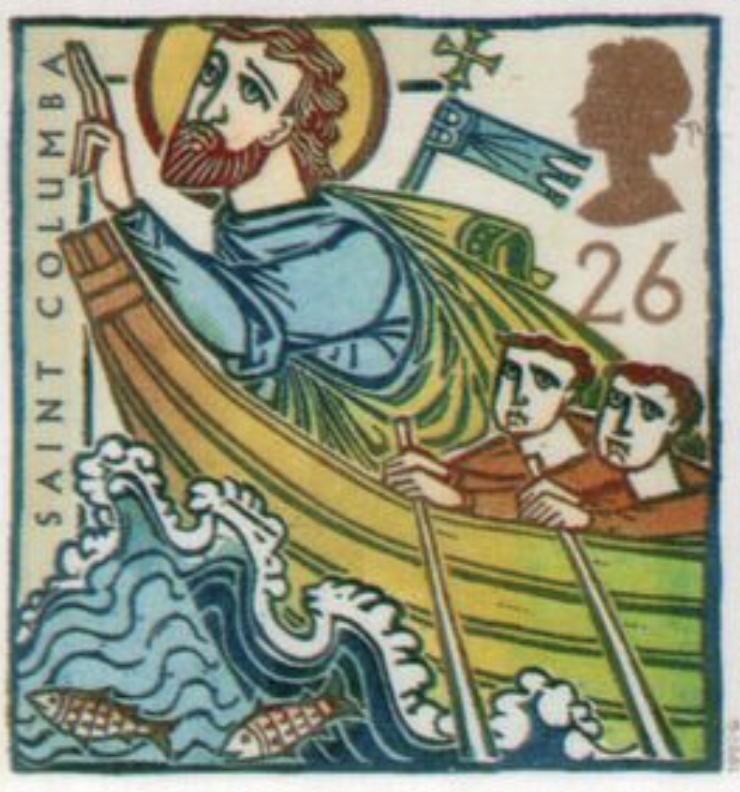 | St. Columba (521-592) – The Making of a Missionary |
The story of the feisty Donegal missionary who brought Christianity to Pictish Scotland, after a devastating battle in Ireland, plus Iona's links to Lindisfarne … and how a court case that he was embroiled in set a useful precedent for anyone advocating Google’s right to free content. |
 | Notes on Donabate, Turvey and Portrane, County Dublin |
Highlighting friendships between George Harrison and Jim Fitzpatrick, U2’s spiritual journey while composing their album “October,” and the influential work of Frances Power Cobbe in animal rights and women’s suffrage. It also recounts the dramatic romance of Mabel Bagenal and Hugh O’Neill, the legacy of Erskine Dunphy in the art world with Damien Hirst, and the impact of Turvey House on local history. |
 | Ireland's Forgotten Past A History of the Overlooked and Disremembered | An alternative history that covers 13,000 years in 36 stories that are often left out of history books. Among the characters profiled are a pair of ill- fated prehistoric chieftains, a psychopathic Viking, a gallant Norman knight, a dazzling English traitor, an ingenious tailor, an outstanding war-horse and a brothel queen. |
 | Alan Appleby Drew (1884-1915) |
My hairbrush once belonged to Alan Drew, my father's great-uncle, who was killed in one of those pointless over-the-top charges in World War One. Prior to his death, Alan taught at Mostyn House (the school near Liverpool where he studied as a boy), learned how to march in Glasgow and spent several years in Shanghai around the time the last Emperor fell from power. Alan's memory was enshrined in a carillon of bells that now rings at Charterhouse School in memory of almost 700 Old Carthusians who died in the war. |
 | Notes on the City of Armagh |
See here for further stories of County Armagh Major Neill and the Armagh Raid … |
 | McKenna of Truagh (Monaghan), Capel Street and London |
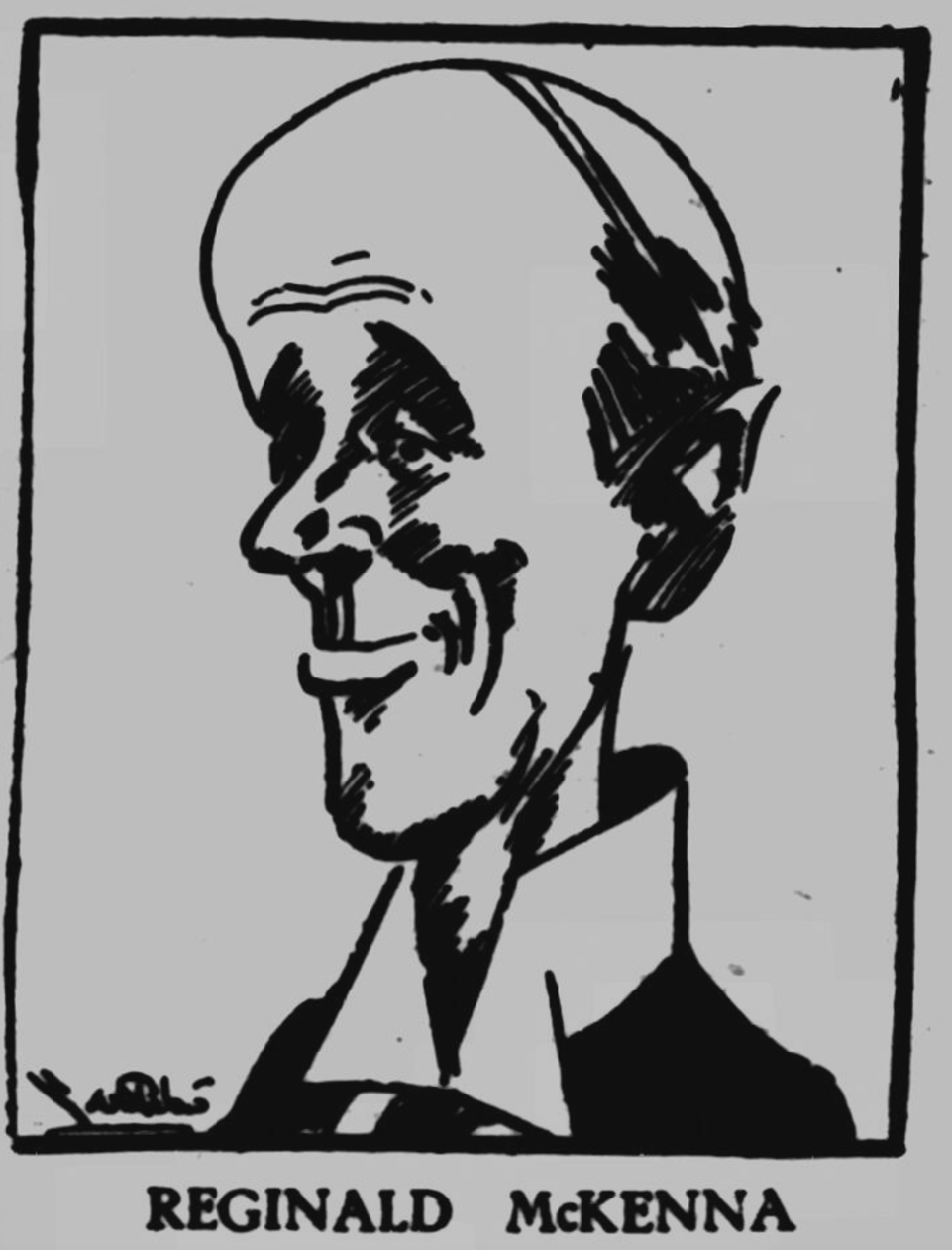
From Truagh, Co. Monaghan, to Capel Street, Dublin, and the City of London, the McKennas move from Gaelic lordship to seed‑merchant capital, Westminster politics and high finance, their story shaped by emigration, principle, and the shocks of Victorian speculation. |
 | Dublin City – Streetwise |
The etymology (ie: origin) for the names of the streets, bridges, docks and other landmarks of Dublin. This is mainly focused on the docklands area as it is based on work I did for my 2008 book, ‘Dublin Docklands – An Urban Voyage’, which was commissioned by the Dublin Docklands Development Authority |
 | Corrupt Banking in Victorian Ireland |
The scandals that rocked Irish banking in the 19th century were little different to those of more recent times. In each case the men responsible – some rascals from birth, others corrupted along the way – attempted to absolve themselves on the basis that they had not expected things to turn out so bad, that the gambles they took had simply back-fired, that everyone else was doing it so why couldn’t they … |
 | County Monaghan – Choose a Topic | Choose from topics on this page for stories of people, families, events and places connected to County Monaghan's past. |
 | The Irish Diaspora – Tales of Emigration, Exile & Imperialism – Contents | I was utterly elated by the first review of my 2021 book, ‘The Irish Diaspora,’ from BBC History Magazine, the UK’s biggest selling history magazine: ‘This fascinating assortment of case histories, spread across 1,400 years and six continents, is an impressive feat of research … The summaries of often-complex historical background to the lives explored are models of lucid compression.' Here's some further detail. |
 | The Monastic Townland of Acaun, County Carlow | Located just east of the Lisnavagh farmyard, Acaun is the smallest of Carlow County's 603 townlands. This account considers the origins of its monastery, mill-race and castle and touches on its connections to people such as Alice Kyteler, Bishop Ledred and Edmund Butler, Earl of Carrick. |
 | Of Rings, Raths & the Kings of Leinster: Around the Lisnavagh Estate |
In the distant past, the raths around Lisnavagh were part of the power base of the Uí Ceinnselaig (Kinsellagh). This section considers the links to Rathmore, Rathvilly, the Oldfort ringfort and the Slíghe Chualann, as well as two kings of Leinster, Crimthann (baptised by St Patrick) and his father, Enna Kinsellagh . |
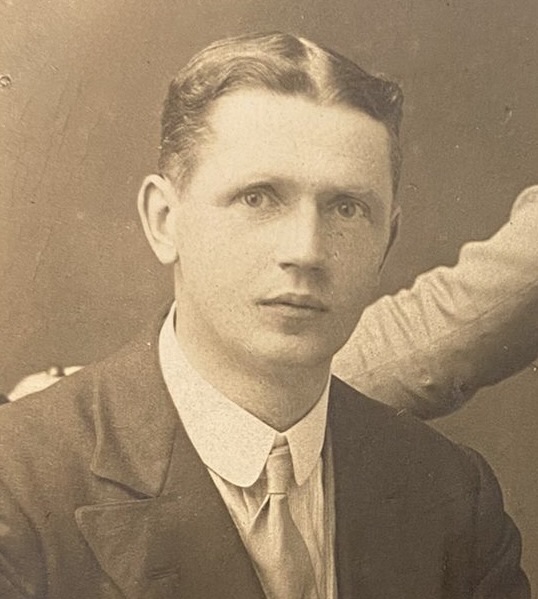 | Walter Wood (1880-1955) – The Lisnavagh Chauffeur | From Hamwood in County Meath to Blackhall in County Louth, and on through Castleblayney to Lisnavagh, Walter Wood was a gardener, chauffeur, mechanic and household stalwart to the Rathdonnells for half a century. His name is recalled by Walter’s Paddock at Lisnavagh. |
 | Notes on Kilkenny |
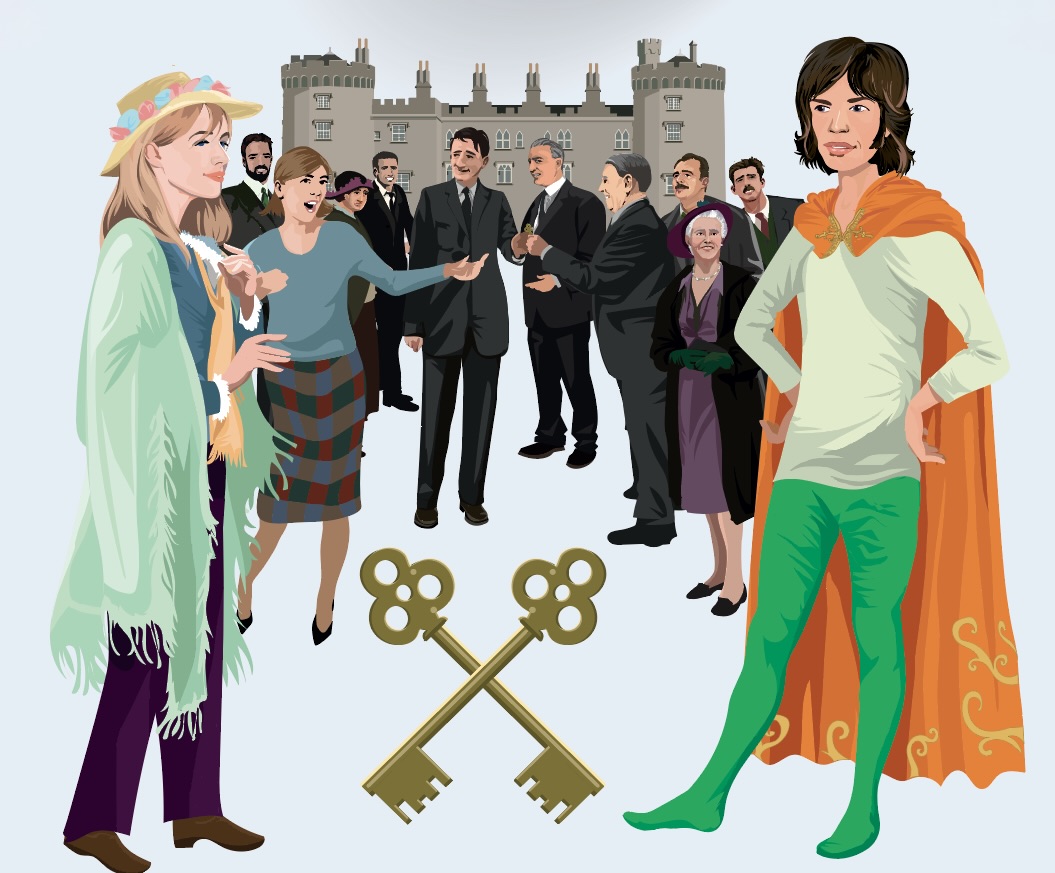
Featuring accounts of Ellen, Countess of Desart; Mick Jagger; Hubert and Peggy Butler (of Butler Gallery fame); Lionel of Antwerp & the Statutes of Kilkenny; Jonathan Swift, George Berkeley & Kilkenny College; Martin Renehan – White House Doorman; and the tragic fate of Petronella, servant to Alice Kyteler, burned at the stage by wicked Bishop Ledred. With Irish translations by Jack O’Driscoll. |
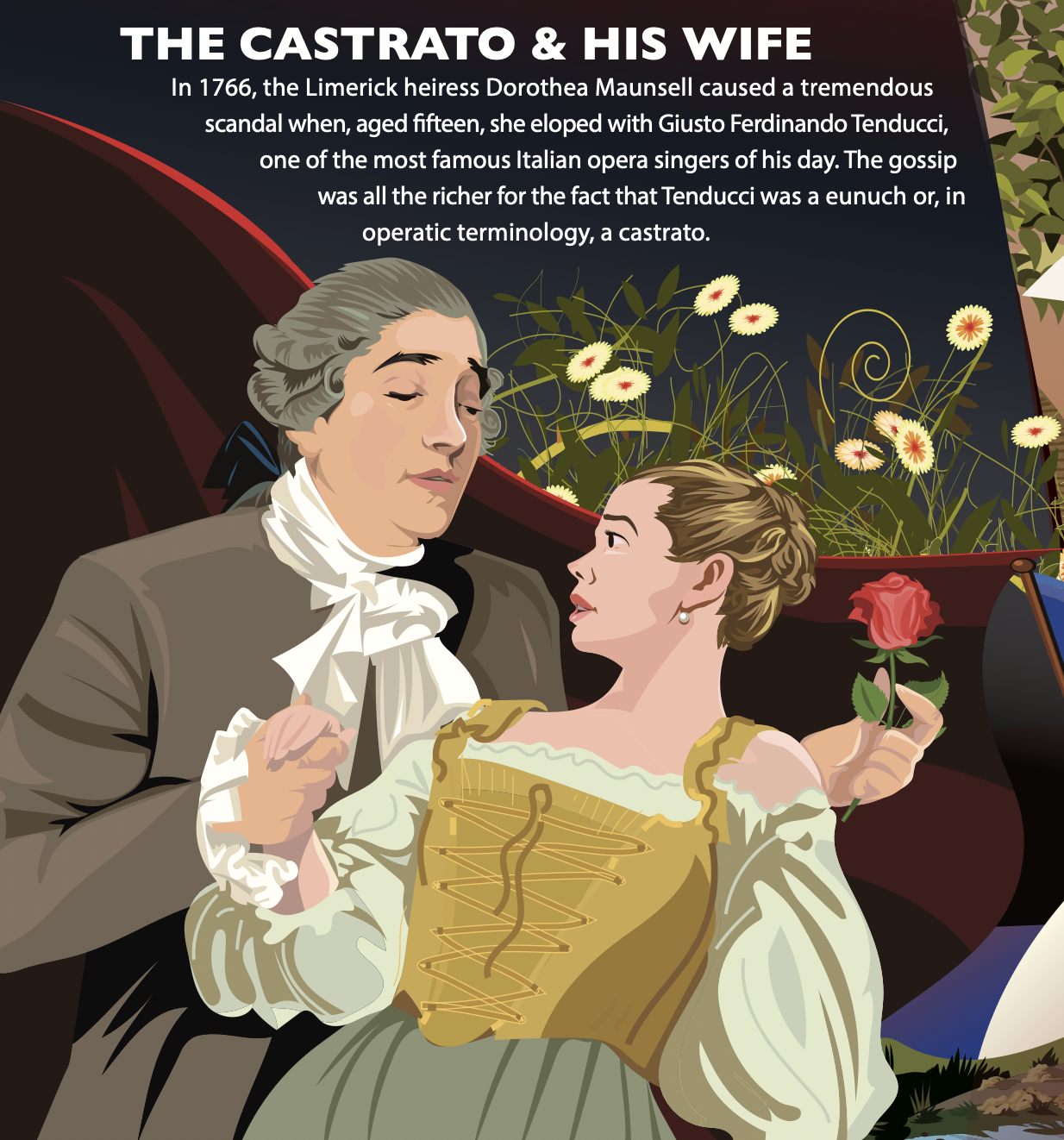 | Tenducci: The Italian Castrato & His Irish Wife |
True love, abduction, betrayal, attempted murder, a wrathful father, an illegitimate child. With backdrops like Georgian Dublin, the craggy shores of County Clare and the remote hills of Tuscany, it plays out like a readymade movie. And to cap it all, the handsome Italian at the centre of it all is a eunuch or, in operatic terminology, a castrato. This is opera but not as you know it. |
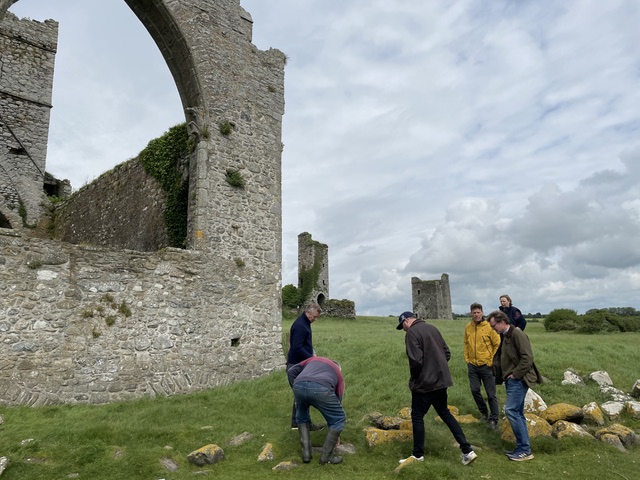 | Clonmines: Ghost Town on Bannow Bay |
On the north-west shore of Bannow Bay, a short spin west of Wellington Bridge, a scatter of grey ruins stands in the pasture of a private farm. Clonmines, a deserted medieval borough that was once a well-known port of call with castles, a friary, a parish church dedicated to Santa Claus, two members of the Irish Parliament – and seventeen Viking silver ingots for good measure. |
 | County Wexford – Choose a Topic | Choose from these topics for stories of people, families, events and places connected to County Wexford’s past. |
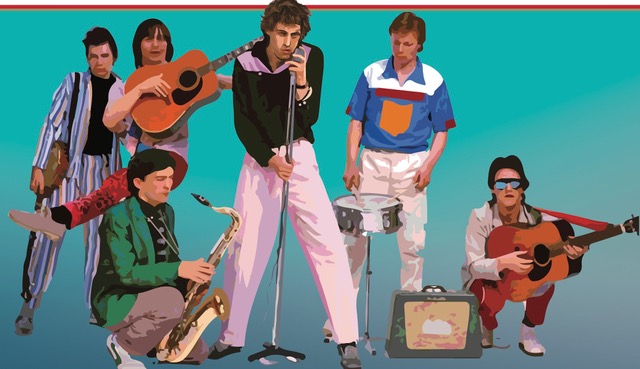 | Notes on Dún Laoghaire |
Dún Laoghaire’s vibrant history features everything from its ancient origins, archaeological finds, convict transport stories, and inventive residents, to notable cultural and musical figures like Sarah Purser, Herbert Brenon, Kevin McClory, and The Boomtown Rats. |
 | Notes on Portmarnock, County Dublin |
See here for other stories of Dublin ***** The Pirate Station … |
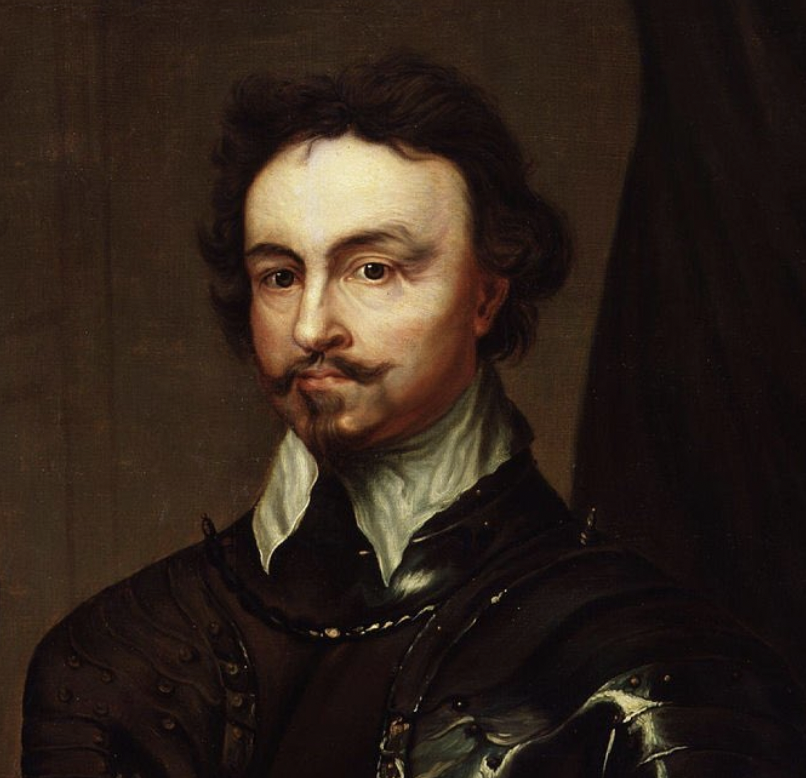 | Madden of Bloxham Beauchamp (England) and Manor Waterhouse / Hilton Park (Ireland) |
Exploring the origins of the Madden family of County Monaghan and their connection to the Waterhouse of Manor Waterhouse (Fermanagh), the Butlers of Stotfold (Bedfordshire) and Belturbet (Cavan) and Black Tom Wentworth. |
 | Notes on Cork City |
Snapshots from the history of Cork, from the Kingdom of Desmond, established in 1118 by Tadgh MacCarthy, to the city’s rise as a trade hub, the impact of the Wars of the Roses, and notable events like the Battle of the Starlings and the Great Hunger, emphasising Cork’s maritime significance. |
 | Alexander McClintock of Trintaugh, County Donegal – The First Settler |
It is said that the first of the family to come to Ireland was an Alexander McClintock who arrived in Donegal 1597. A mercenary, perhaps, who fought during the Nine Years War? And yet it seems more likely he arrived as part of a settlement arranged by Bishop Knox of Raphoe circa 1620s. The first known McClintock home was a farm at Trintaugh near the River Foyle. They built the nearby church at Taughboyne. This page seeks to flesh out what we know of these early settlers. |
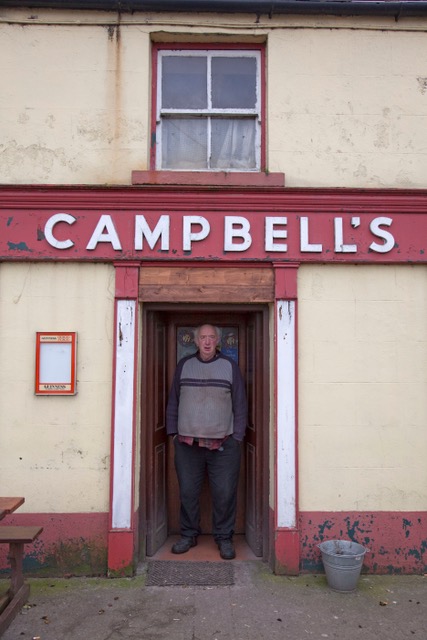 | Owen Campbell (1934-2009) – Publican, Murrisk, County Mayo |
For almost ninety years Owen Campbell’s family pub at the foot of Croagh Patrick has welcomed pilgrims, locals and wanderers, enjoying Murrisk Abbey, mountain folklore, eccentric regulars and the changing face of Clew Bay’s shoreline. |
 | The Irish Pub – The Chosen Pubs | The 39 pubs that ultimately made the book. While the essence of every pub was traditional, we included a shorter chapter examining the more contemporary interpretations of that style. The classifications for urban retreats and rural charm were always vague and there are several pubs who could feasibly fit into either chapter. |
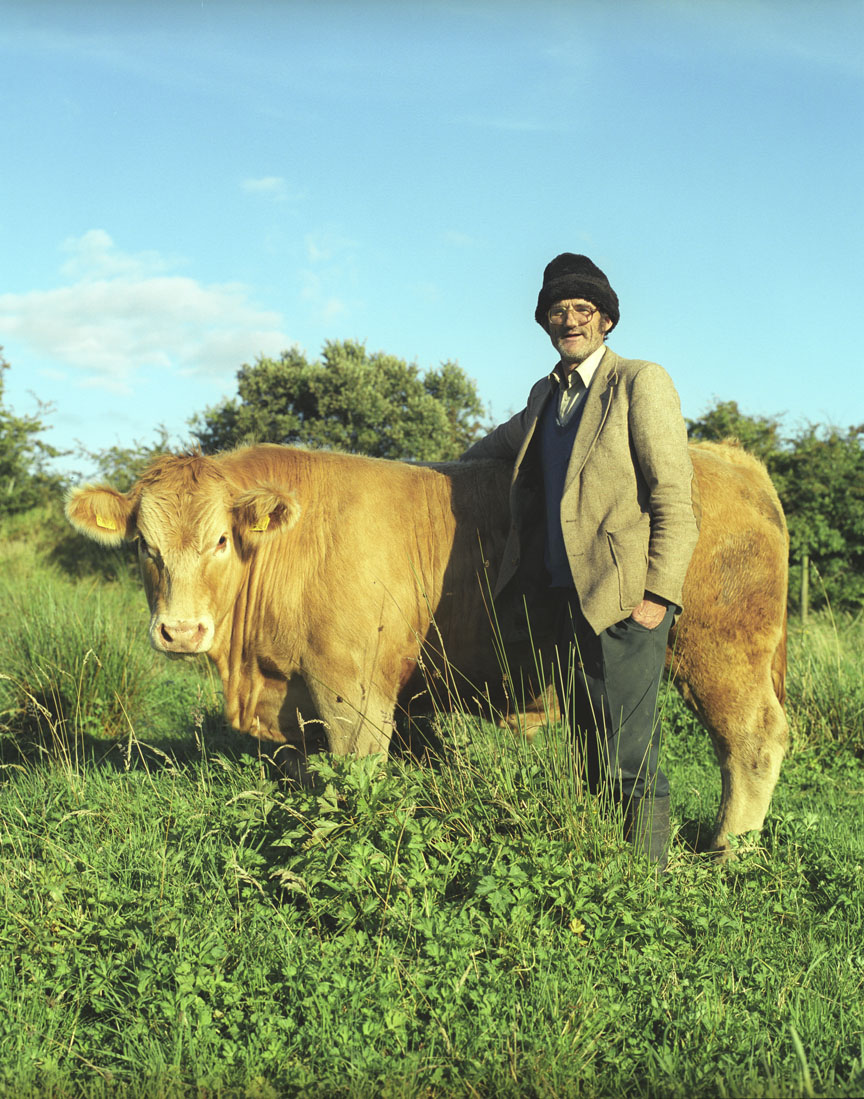 | Jack Nestor (b. 1955) – Oddjob Man, Kilfenora, Co. Clare |
See here for more interviews from the Vanishing Ireland project When the British government … |
 | County Clare – Choose a Topic | Choose from these topics for stories of people, families, events and places connected to County Clare’s past. |
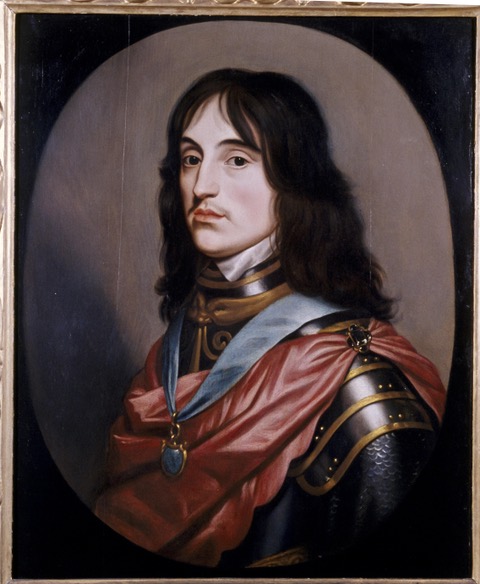 | Notes on Kinsale, County Cork |
Kinsale’s harbours have seen Spanish fleets, royalist warships, Cromwellian blockades, Redleg departures and mutinous Connaught Rangers. This series of stories traces how a single Cork port became a pivot of Irish, European and Atlantic history from 1601 to the twentieth century. |
 | The Redlegs of the Caribbean |
See here for more tales of the Irish diaspora Some years ago I was … |
 | Sir Ernest Shackleton – By Endurance, We Conquer | An astonishing lesson in leadership from the Irishman whose attempt to cross the Antarctic by land left him with the immense challenge of leading his 27 crewmen on a godforsaken adventure through the world's most hellish waters and an uncharted mountain range. |
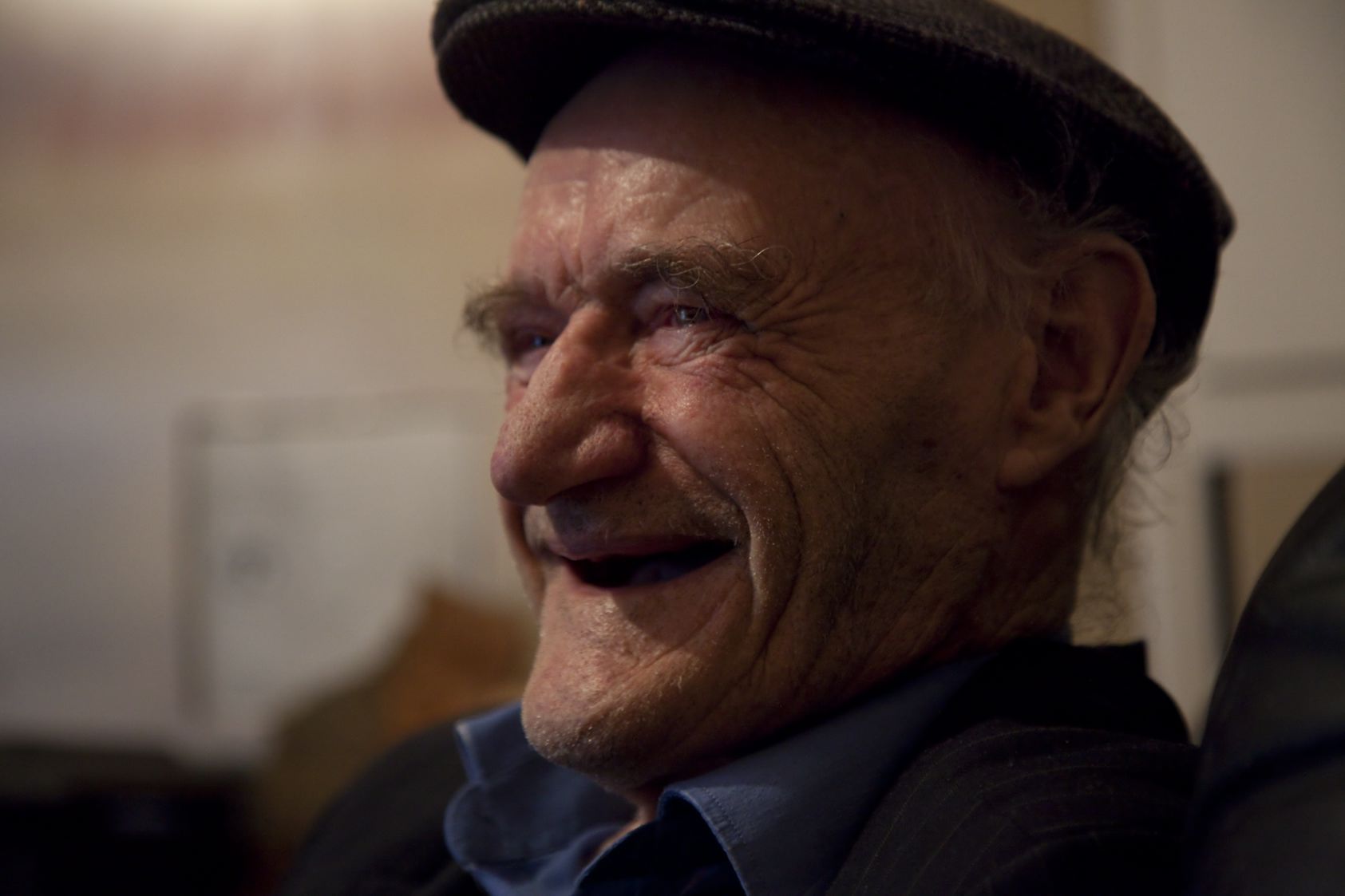 | Sam Codd (1926-2019) – The Bonesetter of Aughrim, County Wicklow |
Should you have asked Sam Codd what a bone-setter did, he was quite likely to suggest that you throw your leg up on a stool so he could break it and then show you how to set it again. |
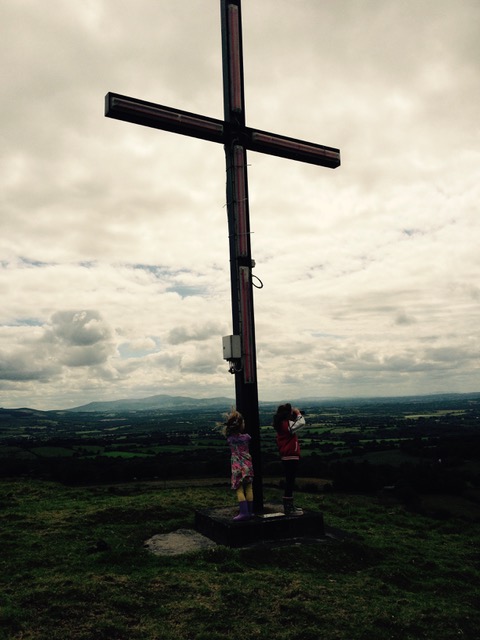 | Notes on Hacketstown, County Carlow |
See here for further stories from County Carlow. The de Riddlesford Link? The … |
 | County Wicklow – Choose a Topic | Choose from these topics for stories of people, families, events and places connected to County Wicklow. |
 | Bunbury of Killerig, County Carlow |
A lesser known branch of the Irish family whose members include the mistress to one of George III's sons, one of Australia's most celebrated clockmakers, a brilliant pianist, a Victoria Cross winner and the landlord of the Yellow-Lion Inn in Carlow Town, as well as a cameo by the creator of Big Ben. |
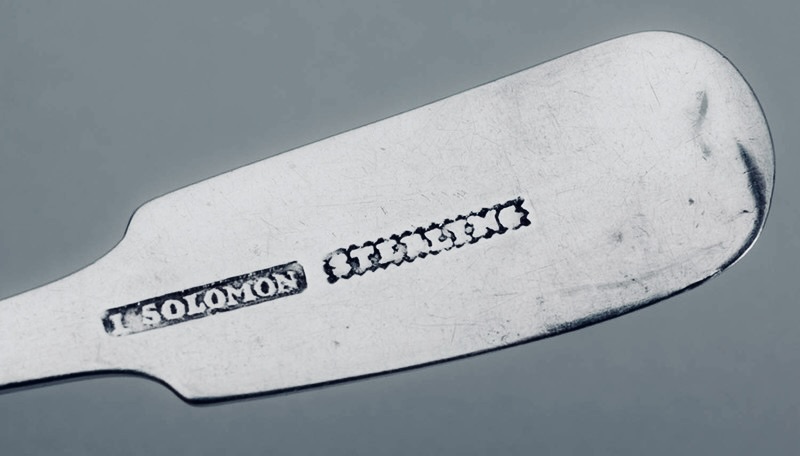 | Sephardic Ireland – Jewish Communities in 18th Century Cork and Dublin |
Cork’s Sephardic presence appears in scattered records from 1685, with a small Portuguese-linked community forming sometime between 1725 and 1772. Its clearest trace was the Kemp Street burial ground. Names including do Porto, Lyons, Solomons, Levy and Pereira show a fragile port network that faded by 1796. |
 | The Bunbury Isaac Family |
In 1758, Thomas Bunbury of Kill, County Carlow, married Susanna Priscilla Isaac, daughter of the County Down barrister John Isaac. Their descendants would hold properties such as Holywood (Hollywood), near Hillsborough, County Down, Seafield House, near Donabate, County Dublin, and Lisbryan (Lisbrien), County Tipperary. Among them were Thomas Bunbury, Bishop of Limerick, and other lines that sprang up in Jersey and Mozambique. |
 | Bunbury of Ardnehue & Liverpool |
A lesser-known branch of the Bunbury tree is a Roman Catholic family of that name who lived in Ardnehue and Benekerry, near Johnstown, County Carlow, during the 18th and 19th century, from which outliers spread into Liverpool and Australia, and possibly Wisconsin and New Brunswick. |
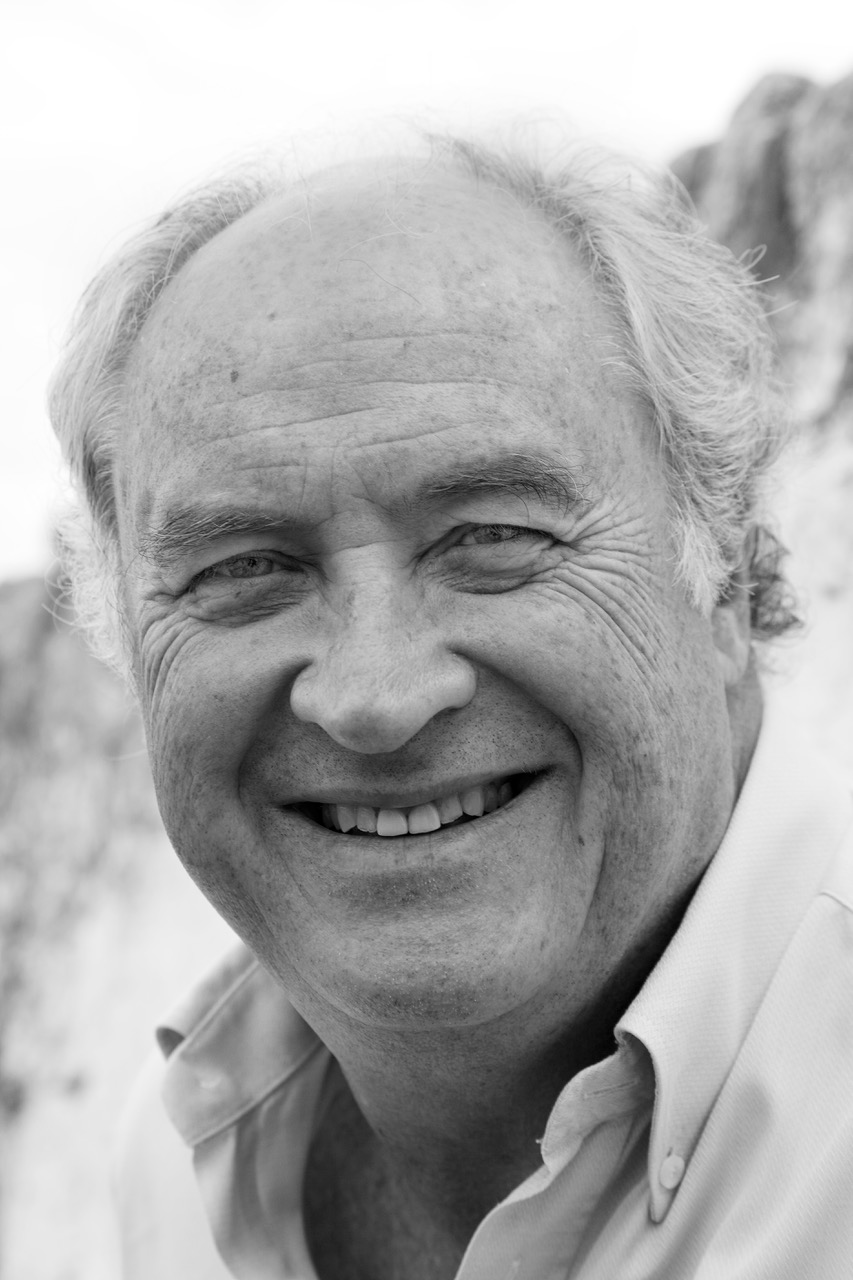 | Donnacha “The Don” O'Dea – Olympic Swimmer and Poker Player |
The Don was Ireland’s leading swimmer of the 1960s and rose to be to a revered poker professional and WSOP bracelet winner, shaped by his actor parents Denis O’Dea and Siobhán McKenna, as well as Taoiseach Seán Lemass around the Rathgar card table. |
 | A Month in Monte Carlo: Random Strolls and Black 29 | Every time I walked back to the apartment, I went a different way. I’d learnt that it doesn’t matter which way you go in Monte Carlo. You’ll still get there. So long as you know the approximate location of the place you are heading to, all you need to do is fasten onto an angle and walk with dogged persistence in that direction. |
 | The Whiteboy Insurrection in Macroom, 1822 |
An account of one of the most notorious agrarian secret societies to emerge in the Irish countryside in the Georgian age, who remerged during the war against tithes, arguably the most reviled tax of the early 19th century. |
 | The Halpin Family: Lighthouse Builders, Port Engineers, Pioneers |
A dynasty whose bloodlines interlink across multiple generations from their origins in the Huguenot stronghold of Portarlington, County Laois, to Wicklow, the Dublin Docklands, Meath and the distant lands of the USA and Australia. George Halpin, the ‘Founding Father’ of Irish lighthouses, constructed 53 lighthouses around the Irish coast, and did much to shape Dublin Bay and the Liffey. His nephew Captain Robert Halpin laid the Atlantic cable, while the article brings us to the present-day with the inventor, engineer and MacArthur fellow, Saul Griffith. |
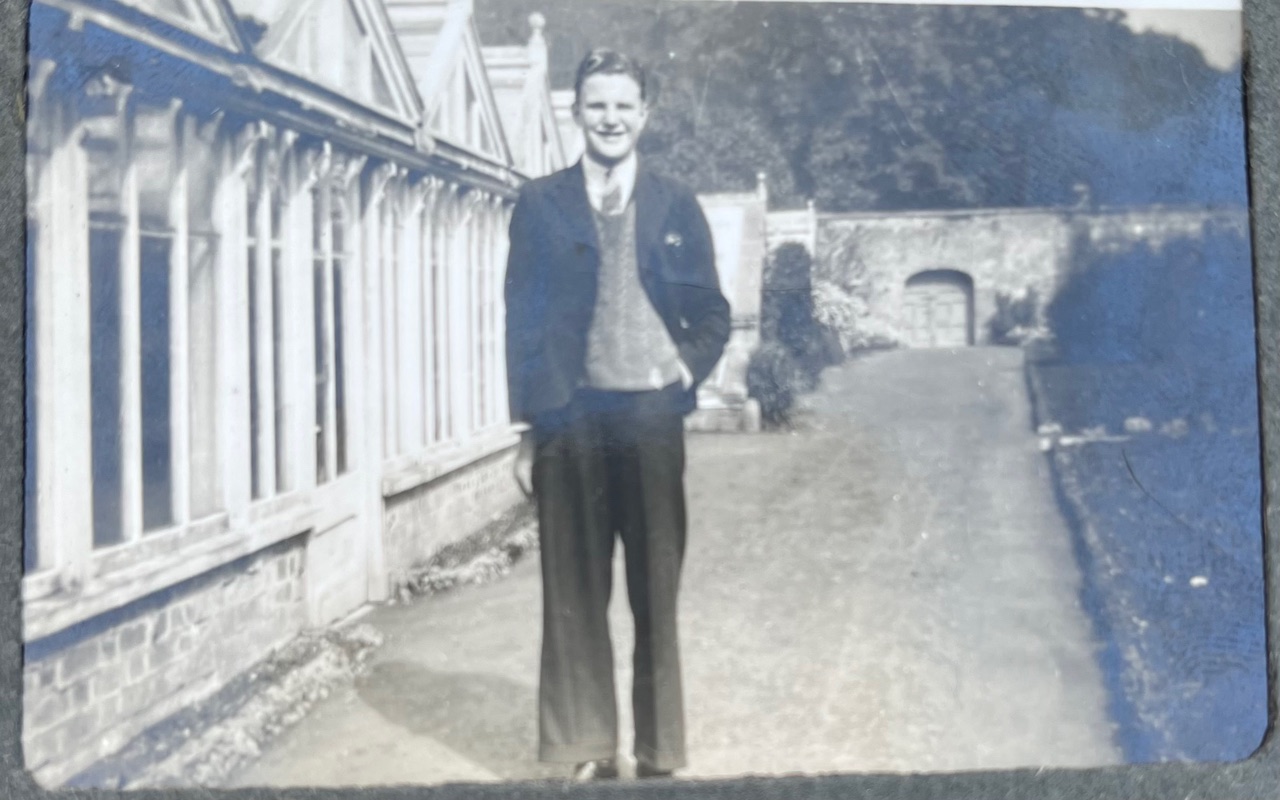 | Thomas Willis (c. 1892-1953), Head Gardener at Lisnavagh in 1930s | Thomas Willis was head gardener at Lisnavagh in the 1930s. Prior to Lisnavagh, he was head gardener on several estates in Ireland including Kilcrenagh (Cork), Mount Juliet (Kilkenny), Mulhuddart (Meath) and Durrow Abbey (Offaly). He would go on to work at Farragh (Longford) and Kildangan (Kildare). |
 | Sam Maguire & Liam MacCarthy – For Whom the Cups are Named |
MacCarthy and Maguire are household names on account of the All-Ireland cups for hurling and football which are named in their honour. But few know just how intricately both men were linked with the Irish Republican Brotherhood, the assassination of Sir Henry Wilson in London and the meteoric rise of Michael Collins. |
 | The Life & Times of Thomas Kane McClintock Bunbury, 2nd Baron Rathdonnell, of Lisnavagh, County Carlow – Part 1 (1848-1878) |
The Formative Years – Tom McClintock Bunbury (1848-1929) would become probably the most influential member of the Irish branch of the family in history. This section looks at his childhood, his Eton education, his time in the Scots Greys, the death of his parents and sisters, his marriage to Kate Bruen and his position as heir apparent to his uncle, the 1st Baron Rathdonnell. |
 | The Sad Tale of Patrick Bunbury (1806-1873) of Kalamazoo, Michigan |
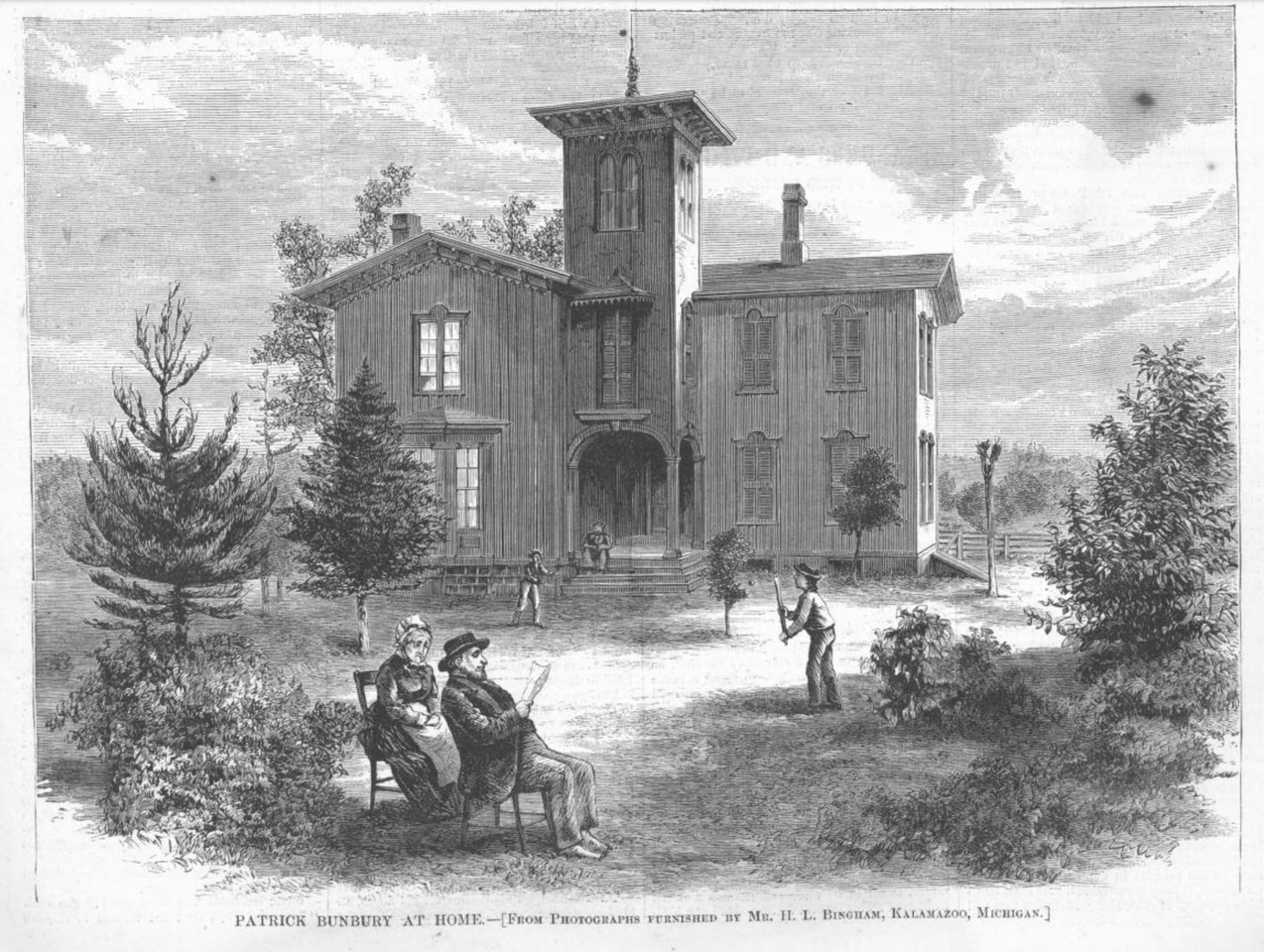
The story of Patrick Bunbury, a devout Catholic farmer in Cooper Township near Kalamazoo, whose generous funding of St Augustine’s Church led to a bitter excommunication dispute, legislative reform efforts in Michigan. |
 | Jack Kyle (1926-2014) – The Rugby Wizard |
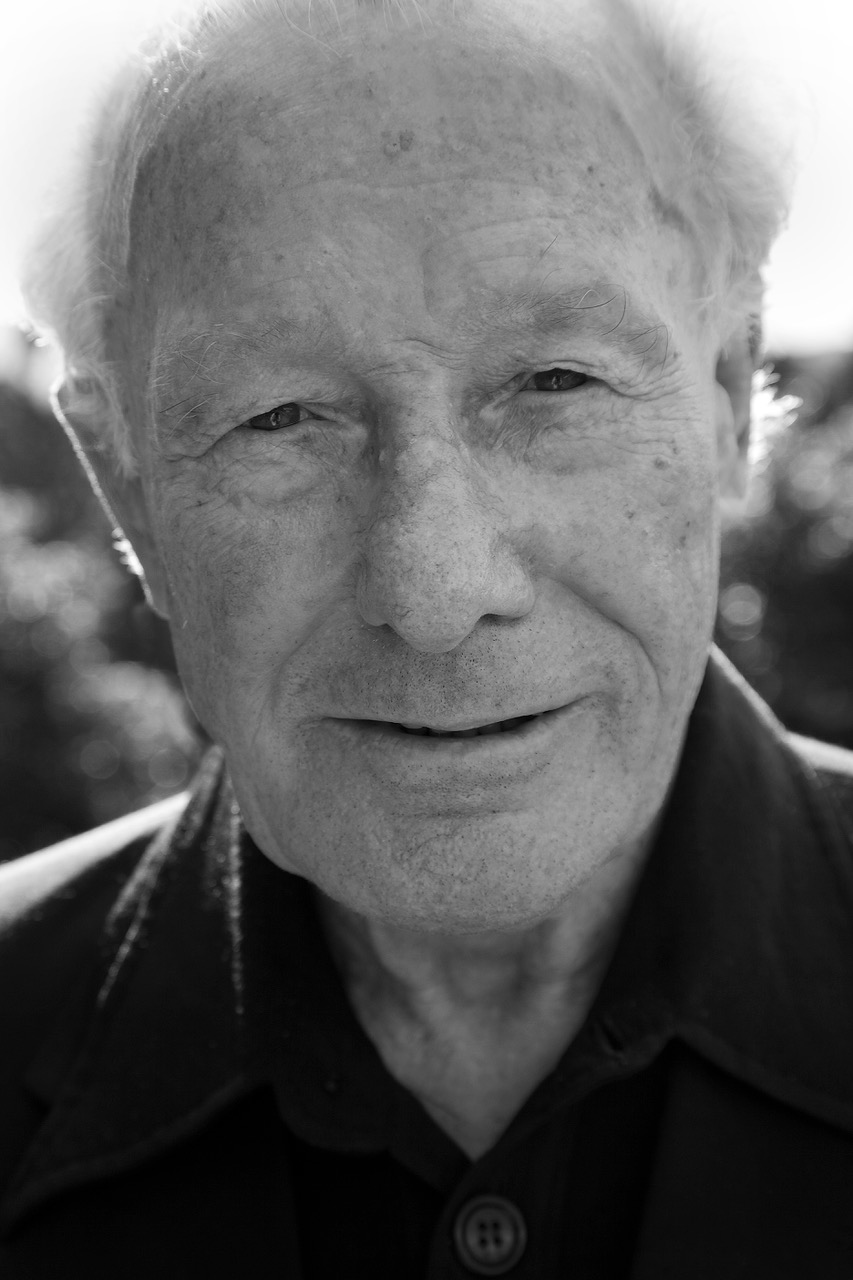
Ireland’s Grand Slam‑winning out‑half Jack Kyle became a pioneering consultant surgeon in Chingola, Zambia, spending over three decades in the Copperbelt while remaining a quietly spoken, humble legend of Irish rugby and humanitarian medicine. |
 | Lola Montez and the King of Bavaria |
Lola Montez was one of the most famous dancers in Europe in the 1840s. Her love affair with the King of Bavaria brought him crashing down before she embarked upon a new life running a literary and social salon in California. This tale follows the rise and fall of this tempestuous Irish woman, charting her romance with Franz Liszt and her encounters with Richard Wagner, Hans von Bülow and Alexandre Dumas. |
 | Admiral William Smyth (c. 1799-1877): A Water-Colourist on the Seas |
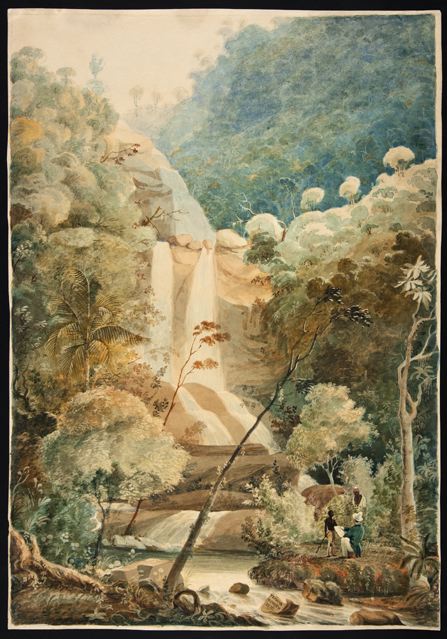
William Smyth was a Royal Navy officer, explorer and gifted watercolourist whose career spanned Pacific surveys, anti‑slavery patrols off Brazil, an Amazon expedition and a perilous Arctic voyage in HMS Terror. Closely linked to William McClintock Bunbury, he reached artistic maturity painting Rio de Janeiro and South American ports. |
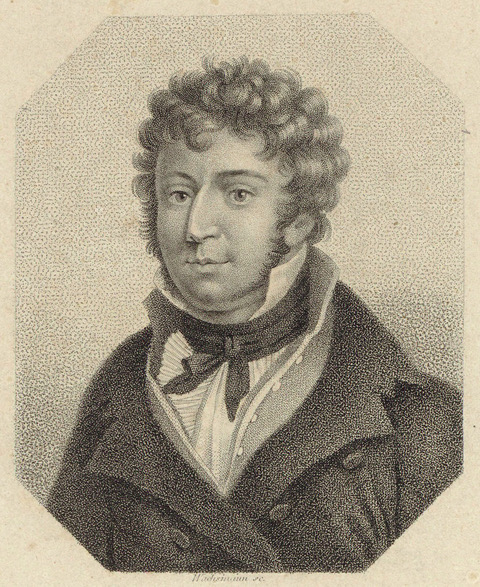 | John Field (1782-1837) – Father of the Nocturne |
John Field, the Dublin‑born “Father of the Nocturne”, rose to become Moscow’s most celebrated pianist and teacher. His atmospheric nocturnes shaped Chopin and Liszt, while his turbulent private life unfolded across Dublin, London, St Petersburg and Napoleon’s Russia. |
 | Joe Flynn (1923-2016), Coal Miner, of Arigna, County Roscommon |
‘It used to be full of musicians up here,’ he says. ‘On both sides of the river, you’d hear them playing of a Sunday, with the dancing and all. I know there’s lots of musicians in the country now – look at the fleadhs and all the young musicianeers who go there – but I don’t think there’s many around here now.’ |
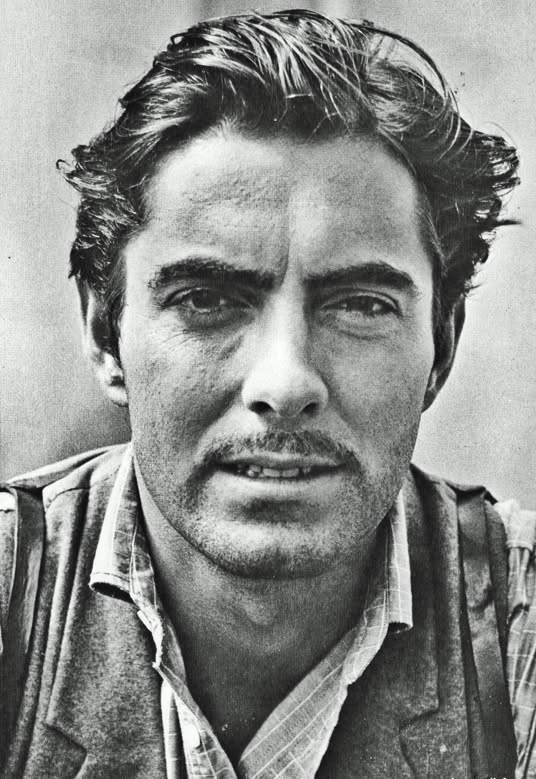 | Tyrone Power (1797-1841) and Madison Square Garden |
From Waterford‑born actor Tyrone Power’s legendary transatlantic career and family lore about Madison Square Garden, to Ned Irish’s Knicks legacy and the Dolan family’s Irish roots, this story threads County Waterford into modern New York sporting history. |
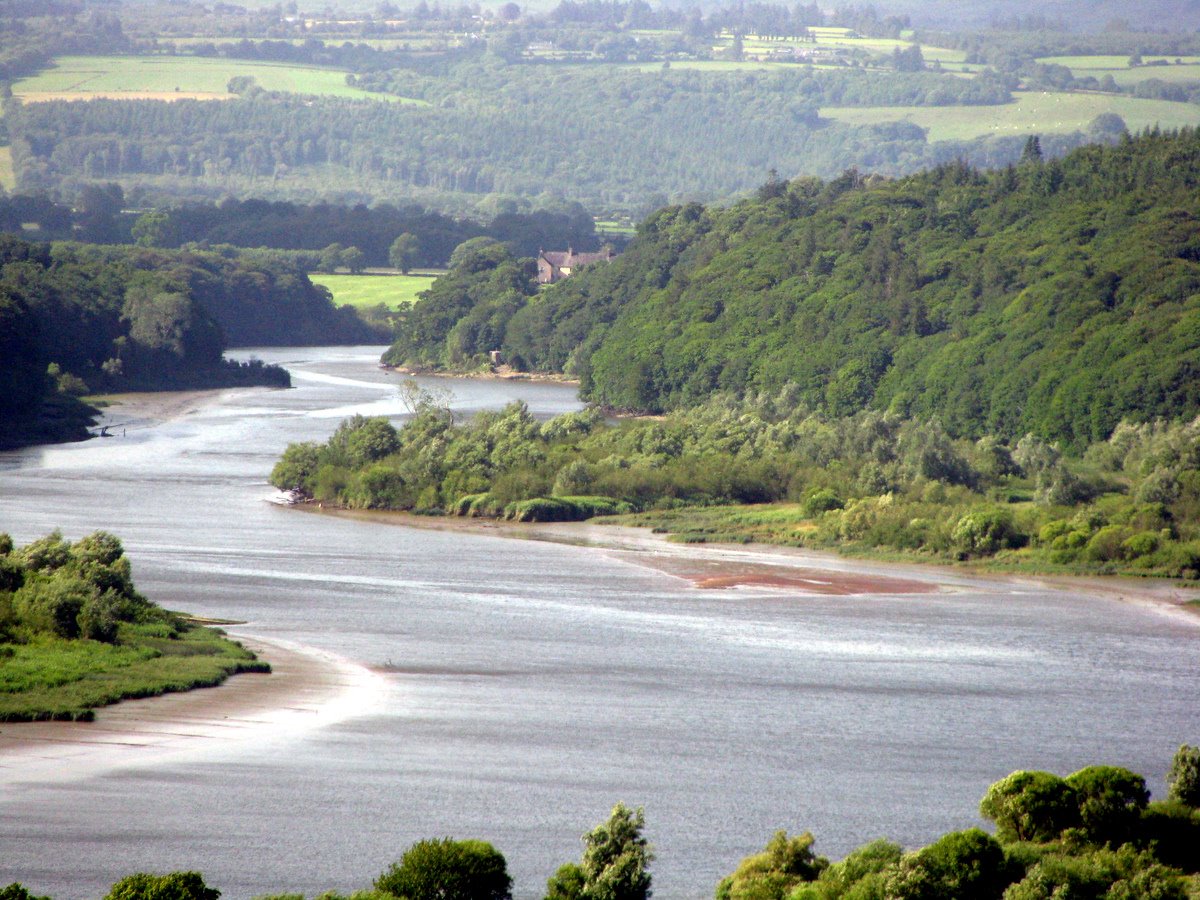 | The Blackwater Navigation, County Cork |
The ill‑fated dream to float Dromagh coal down the Munster Blackwater, from experimental canals and ducal ambition to forgotten cuttings and a landscape still whispering of lost waterways. |
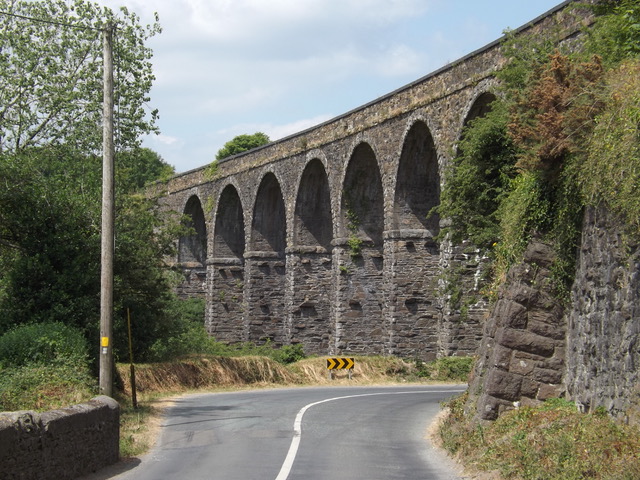 | Notes on Kilmacthomas & Kilnagrange, County Waterford |
From tidal mills on the River Mahon to cotton, woollen and oat enterprises, this history of Kilmacthomas traces mills, landlords and families like the Dunns, Barrons and Flahavans, revealing how one this village on the Waterford Greenway became a hub of Irish industrial life. |
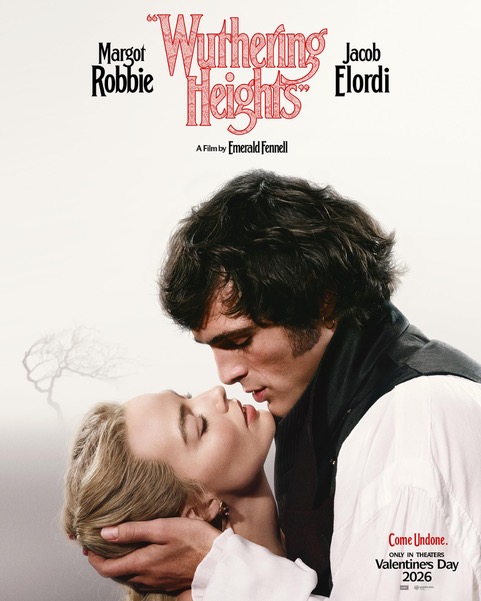 | The Irish Roots of the Brontë Sisters |
Jane Eyre, Wuthering Heights and Agnes Grey are considered three of the greatest literary classics of all times. The three novels were published in 1847 by the brilliant Bronte sisters, Charlotte, Emily and Anne. This is the lesser known story of their father, an Irish clergyman from County Down, and the Heathcliff-like story of his ancestors, as well as Charlotte Brontë's connections to Banagher, County Offaly. |
 | The Baron de St Pierre & the Bunbury Family |
The origins of the family, with their connection to the Baron de St. Pierre and Hugh Lupus, Earl of Chester, plus other links to Saint Boniface, the Barons Malpas, the de Boneberrys &c. |
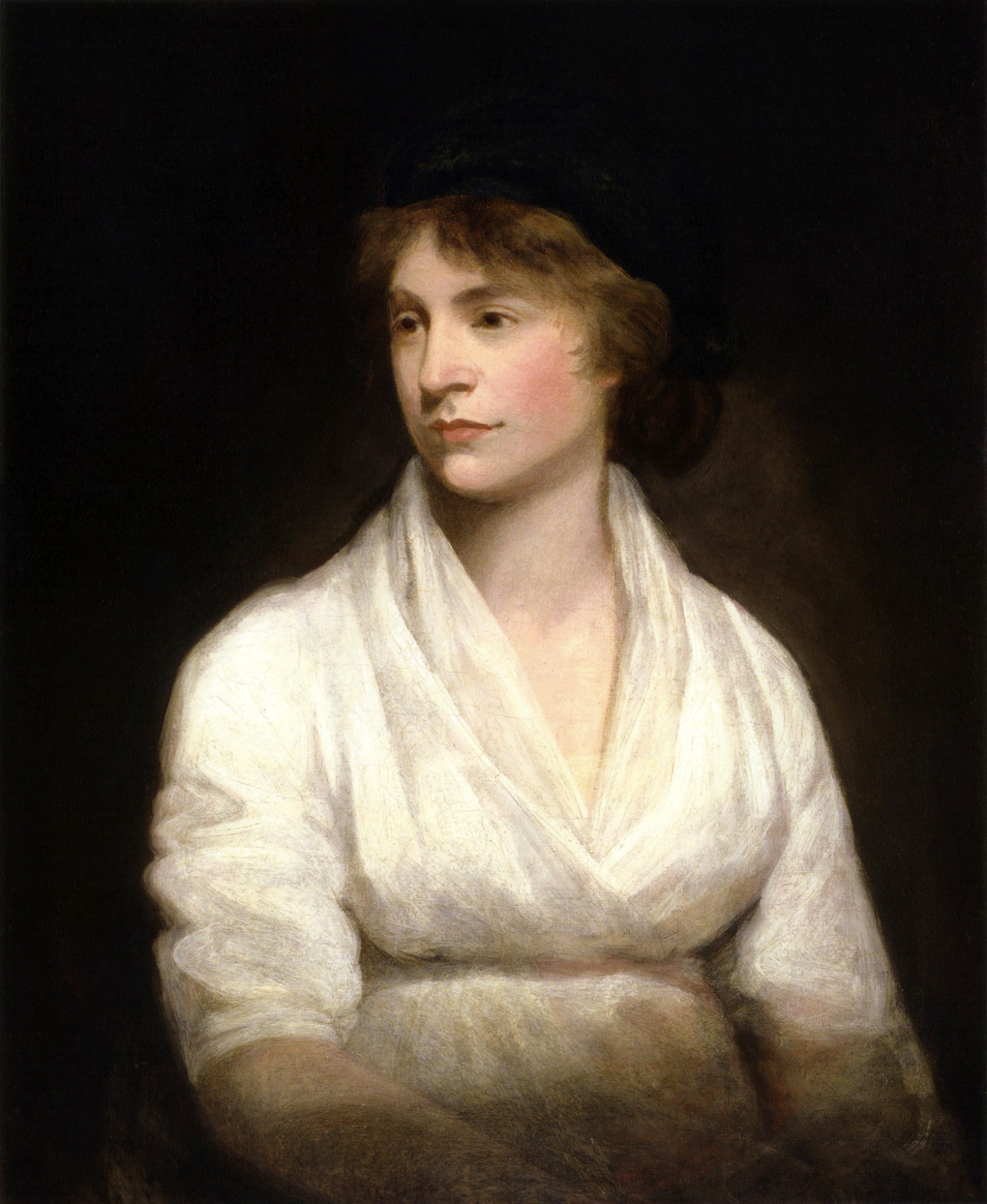 | Mary Wollstonecraft (1759-1797) – A Pioneering Feminist in Ireland |
Before she became one of the founding philosophers of feminism, Mary Wollstonecraft was governess to Viscount Kingsborough’s daughters at Mitchelstown Castle in north Cork. While Mary went on to marry William Godwin (and so became mother to Mary Shelley, author of ‘Frankenstein’), one of her protégés Margaret, Countess of Mount Cashell, scandalised aristocratic society by eloping to Italy with a young Irish officer by name of Tighe. |
| Reflections on Irish Identity, 2026 |
Considering the impact of Ireland abroad from Jessie Buckley and Cillian Murphy to St Patrick's Day to Mick Lynch and the Trade Unions, as well as the historical precedent behind the Biden presidency's support of the Good Friday agreement and the Irish diaspora around the world. |
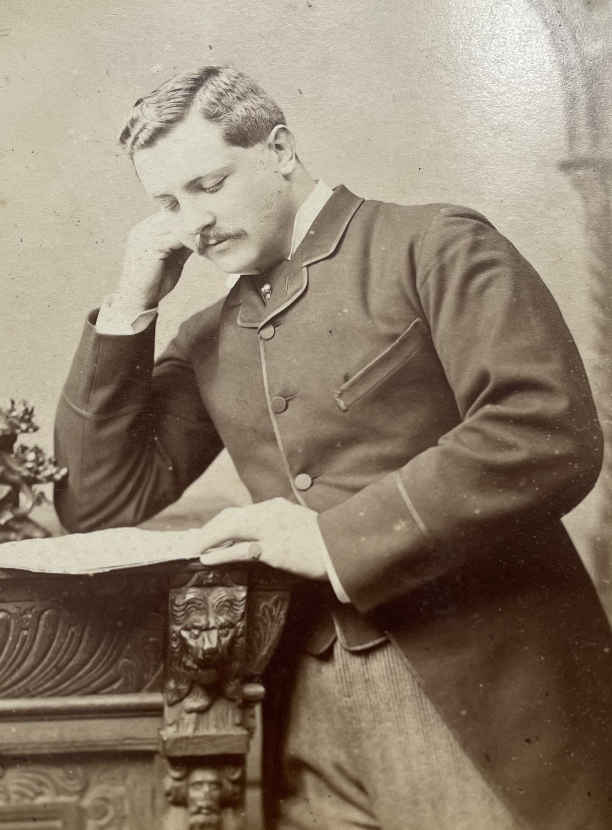 | Bob & Kate Ievers in Ceylon, plus Ethel, Nena and Kitty |
Robert Wilson Ievers, known as Bob, was a high-profile civil servant in Ceylon (Sri Lanka) during the late 19th century. He spoke Singhalese, wrote poetry and explored the ancient ruins of Anarahdapura and Sigiriya. His wife Kate miraculously survived a scuffle with a sloth bear. In 1912, their daughter Ethel married Tim McClintock Bunbury, later 3rd Baron Rathdonnell. Tim and Ethel's son William was my father's father. |
 | Mrs Lawlor (1880-1969) of Naas – Caterer Extraordinaire |
Founded on the eve of the First World War, Mrs Lawlors Naas-based enterprise was reckoned to be the largest catering firm in Ireland by 1937. From the Dublin Horse Show to the Naas Races to the Grand Prix or the Eucharistic Congress, her tents were invariably to be found serving up to the crowds. |
 | Maxol – The History of an Irish Family Company |
Replete with episodes of brilliance, ingenuity, serendipity and success, this sweeping story tells Maxol’s fascinating story from the formative years of the McMullan family through the drama of global wars, oil crises, political conflict and economic hardship to its present-day responses to climate change, Covid 19 and technological advance. |
 | The McClintock Family in Scotland |
The McClintocks were a Scottish family who settled in north west Donegal (Trintaugh, Rathdonnell, Dunmore) during the early 17th century and spread east into Counties Derry, Tyrone (Seskinore), Armagh (Fellow's Hall) and Louth (Drumcar, Red Hall, Newtown). In 1798, John McClintock married Jane Bunbury and so gave life to the McClintock Bunburys of Lisnavagh. The McClintock genes claim to a number of historical celebrities including Generals Montgomery and Alexander, Speaker John Foster, the Barons Rathdonnell, Brigadier Dame Mary Colvin and the explorer Sir F. Leopold McClintock. |
 | Rathvilly's Fallen from the Great War |
Rathvilly's Great War dead are commemorated across Europe and beyond, from Ypres and Loos to Gallipoli. This Roll of Honour, compiled by Tommy Doyle, records local soldiers and officers whose lives were lost between 1914 and 1918. |
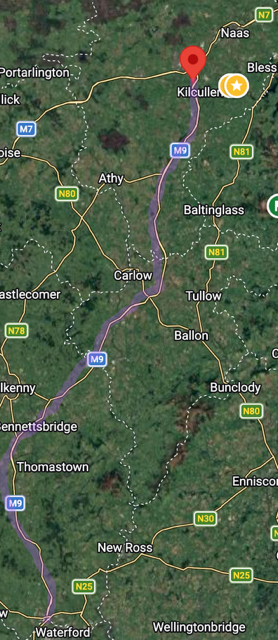 | Notes on the M9 |
For more stories, see County Kildare or County Carlow or County Waterford The first … |
 | Notes on Bagenalstown (Muine Bheag), County Carlow |
Snapshots of Bagenalstown’s history, highlighting figures like Walter Bagenal, Beauchamp Bagenal, Father Albert Bibby, and John Moore, as well as McGrath's Tea, Sallie Young and a remarkable project to duplicate Versailles |
 | The Life & Death of Tomás Ceannt, aka Thomas Kent (1865-1916) |
Tom Kent’s nerves were so bad on the morning of his execution that the guards brought a chair in for him to sit upon. The man for whom Kent Station in Cork City would one day be named was buried in quicklime in an unmarked grave. This is the story of one of the more overlooked figure in the annals of the Easter Rising. |
 | Easter Dawn – The 1916 Rising (Contents) | Easter Dawn was one of the most successful books to arise over the course of the centenary commemorations of the Easter Rising, with positive reviews in newspapers such as the Irish Times and the Irish Independent, as well as magazines such as Socialist History. Easons' bookshop placed it in their top five ‘1916' bestsellers of the year. |
 | Easter Dawn – The Poet's Rebellion |
The Irish Republic was conceived by dreamers and poets but harnessed by the methodical minds of the IRB. When the time came for the leaders to face the firing squads, one wonders whether they anticipated that their very executions would convert the legacy of the Easter Rising from being an ill-timed failure into the catalyst that prompted a huge number of Irish to abandon their ambivalence and pin their colours to the cause of Irish nationalism. |
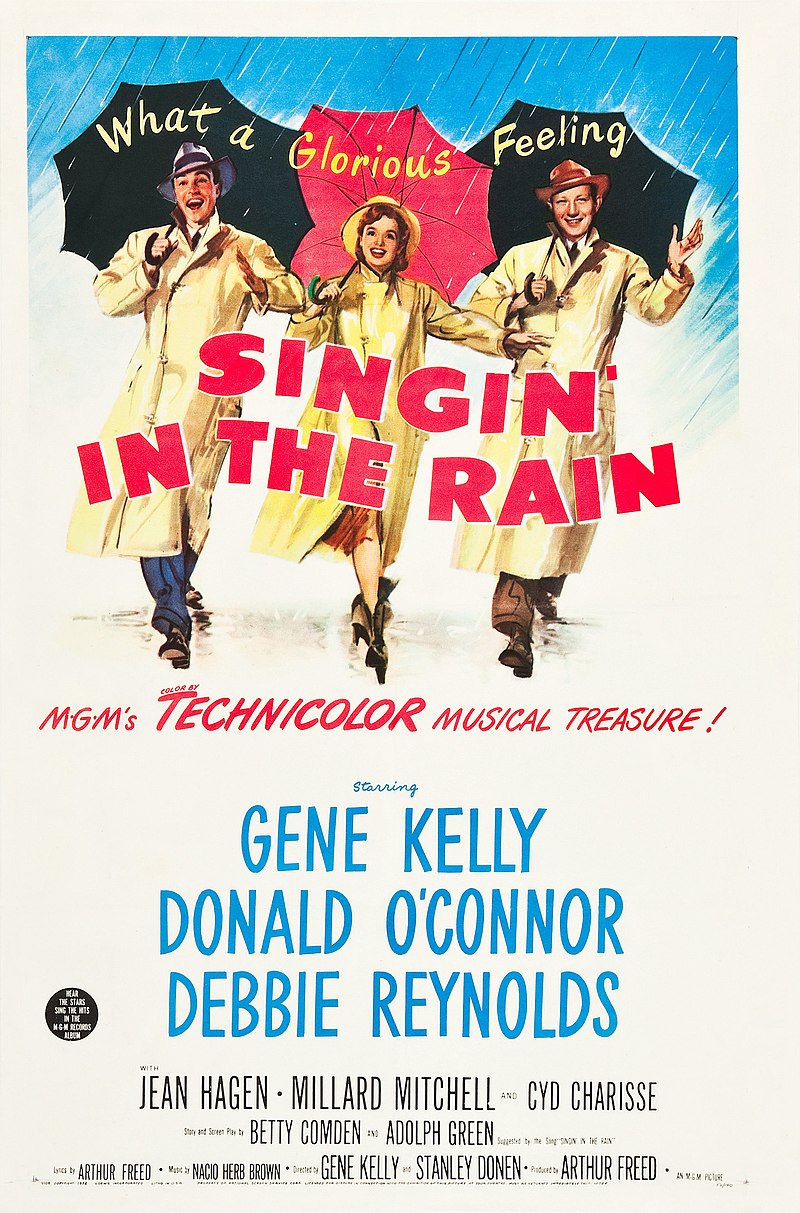 | Notes on Derry / Londonderry |
From the “Green Yacht from Derry” and a Derry‑born sugar baron in Hawaiʻi, to Gene Kelly’s Curran grandfather and Andersonville’s Ulster‑Scots doctor, these stories trace how people from Derry and Ulster carried their lives, fortunes and talents across the Atlantic. |
 | County Derry / Londonderry – Choose a Topic | Choose from these topics for stories of people, families, events and places connected to County Derry / Londonderry’s past. |
 | Captain Hanson Gregory – The Inventor of the Doughnut | “I guess it was about ’47, when I was 16, that I was aboard ship and discovered the hole which was later to revolutionise the doughnut industry.” |
 | Sir Arthur Conan Doyle (1859-1930) – A Study in Green |
‘I, an Irishman by extraction, was born in the Scottish capital after two separate lines of Irish wanderers came together under one roof’. So remarked the creator of Sherlock Holmes. His mother was Mary Foley from Lismore with strong roots in Kilkenny; his father Charles Doyle had paternal roots in Dublin and Wexford. One of Arthur's uncles was director of the National Gallery of Ireland and married into a Dublin a family by name of Sherlock … |
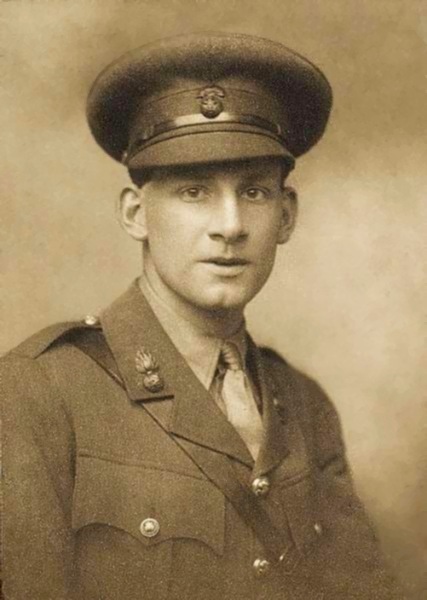 | Siegfried Sassoon in Limerick, 1918 |
In January 1918 Siegfried Sassoon, already a decorated and controversial war poet, was posted to Limerick. Light duties left him free to hunt across Munster and write bitter trench verse, even as local voices warned of the violence soon to engulf Ireland. |
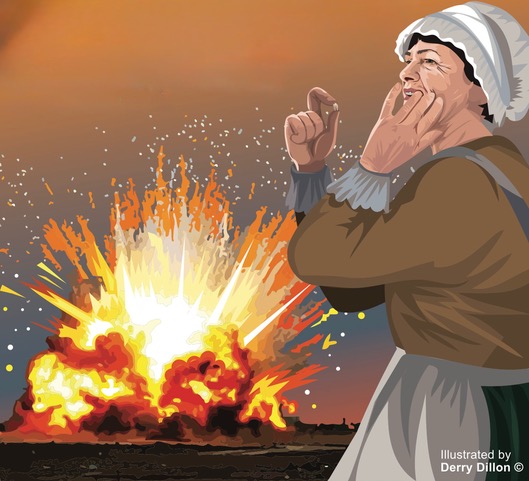 | Notes on Clondalkin & Fonthill, County Dublin |
The stories of the poet laureate who asked Paddy Kavanagh to be a spy, a 1,200 year old Round Tower, a gentleman farmer who drove across Dublin’s Ha’penny Bridge, Clondalkin Concrete, a plethora or writers and boxers, the Bluebell Industrial Estate and a devastating explosion at a gunpowder mill. |
 | Notes on Arklow, County Wicklow |
The stories of the Arklow munitions factory, a 1920s party animal, the brilliant Ronnie Delany, a spy called Agent ZigZag, a lady mariner, the man who made Jefferson presdient, and an old world cure for Charles Stewart Parnell's wounded hand. Extracted from Past Tracks. Irish translation included. |
 | Sir William Gregory (1817-1892) – Governor of Ceylon |
Considered one of the finest governors of Sri Lanka (Ceylon) in the island's history, Sir William's legacy is complicated by the appalling treatment of Tamil labourers, as well as the Gregory Clause in Ireland during the Great Hunger. His wife was the famous Lady Gregory. |
 | The Choctaw Nation’s Extraordinary Gift to Ireland, 1847 |
In 1847 the Choctaw Nation of Oklahoma raised $170 for Irish famine relief. Their empathy was stirred by a similar experience during the early 1830s when between 1500 and 4,000 died Choctaw on the infamous ‘Trail of Tears’. This story explores the fate of the Choctaw and the two Irish-American brothers who helped them cross the Mississippi, and also looks at donations from the Muscogee, Cherokee and Mississauga people. |
 | Pringle of Clones and Ballinahone (County Monaghan) and Caledon (County Tyrone) |
Having arrived in Ireland in 1617, the Pringle family were major egg and butter merchants by 1900. A branch was based on the Diamond in Clones, with major residencies at Clonboy House and Ballinahone. The Pringle Memorial Hall was opened in 1908 in honour of John Pringle of Clones. His eldest son Seton Sydney Pringle was president of the Royal College of Surgeons in Ireland. Seton and his wife Ethel were father to three sons (Commander John Pringle, RN; Donald Pringle, headmaster of Castle Park; and Air Marshal Sir Charles Pringle) and two daughters (Betty Butler and Peggy Snow, grandmother of Dan Snow). |
 | County Cavan – Choose a Topic | Choose from these topics for stories of people, families, events and places connected to County Cavan’s past |
 | Rathsallagh, County Wicklow: A Potted History of 6,000 Years |
An epic and sweeping saga of Stone Age genius, Normans warriors, Georgia gentlemen and noble revolutionaries in the Wicklow Mountains, homing in on the Ryves, Pennefather and O'Flynn families. |
 | The Big Snow of 1947, 1963, 1982 … and other major Snowstorms |
The Big Snow of 1947 was the coldest and harshest winter to hit Ireland in living memory. However, there have been many other severe winters in Irish history, from 1315 through to 1963 and 1982. This is a look at all those white-outs when time stands still. |
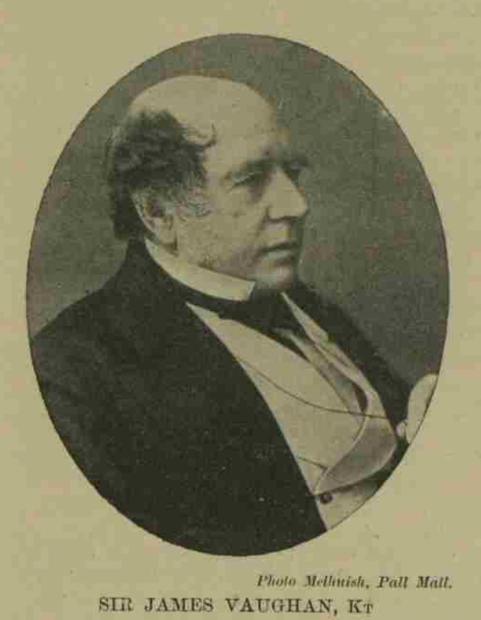 | Vaughan of Hereford |
From Black Vaughan of Hargest Court to mayors of Hereford and a Bow Street magistrate, the Vaughan family’s story traces centuries of Marcher gentry life across Herefordshire, Radnorshire and Monmouthshire, rooted at The Laurels, Holmer and radiating out to London and the Midlands. |
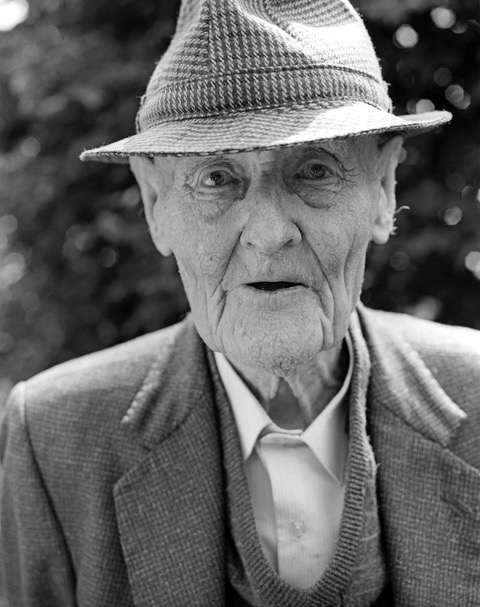 | Bill Burgess (1902-2007) – Ireland's Oldest Farmer – Tobinstown, County Carlow | ‘I have no control over how long I live, but when I’ve gone? Well, as the man used to say when we'd meet on a bank in a chase, “Cheerio till the other side!”’ My neighbour Bill Burgess was the second oldest man in Ireland when he died in 2007. He was also the oldest farmer. |
 | Wogan-Browne of Clongowes Wood, County Kildare |
A far too brief account of two families, Wogan and Browne, whose cast includes a leading light of the Brigidine nuns; a former aide-de-camp to the King of Saxony; an architect who was refereeing Gaelic football matches in 1798; and a popular rugby player who was shot dead in Kildare in 1922. |
 | The Yelvertons, Viscounts Avonmore |
Originating in Norfolk, the Yelvertons rose through the ranks in England to become, at various times, Baron Grey de Ruthyn, Earl of Kent and Earl of Sussex. Another branch moved to Ireland where Viscount Avonmore was a leading legal eagle in the Georgian Age. This takes in such events as the celebrated Yelverton v. Longworth case and explores connections to Blackwater (Cork), Portland and Belle Isle (Tipperary), and Whitland Abbey (Wales). Also covered are an early American connection and influential Australian emigres Charles Yelverton O'Connor and Henry John Yelverton. |
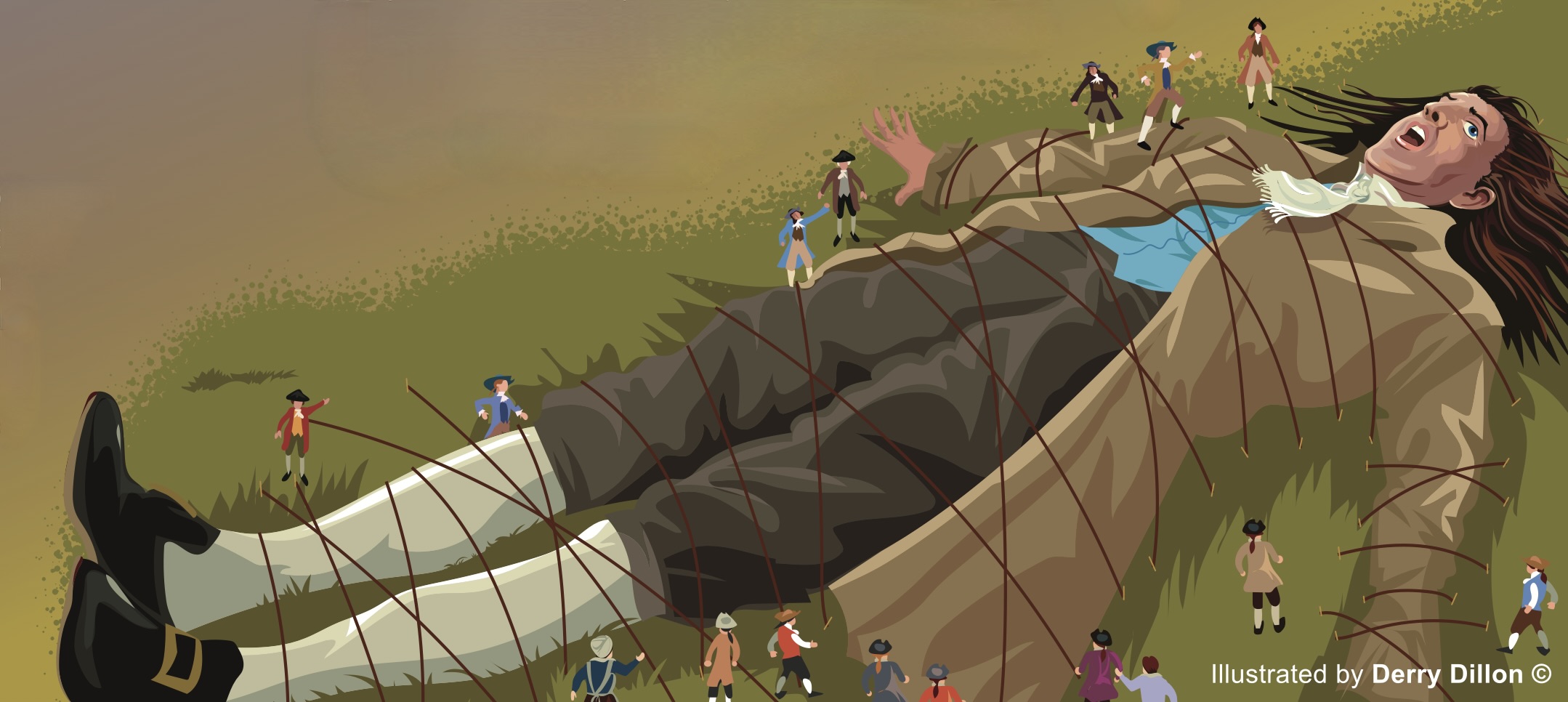 | A Literary Pilgrimage: Northern Ireland’s Most Evocative Libraries |
Northern Ireland’s literary legacy is celebrated through landmarks, libraries, and writers who drew inspiration from its landscape. From Seamus Heaney’s Bellaghy and C.S. Lewis’s Narnia trail to Oscar Wilde, Samuel Beckett, and Jonathan Swift, the region’s creative heritage runs deep. Sites like Mussenden Temple, Robinson Library, and Belfast’s Linen Hall preserve this tradition, while fFestivals, exhibitions, and literary trails invite visitors to explore the stories, poetry, and imagination that continue to shape Northern Ireland’s cultural identity. |
 | Notes on Glenageary, County Dublin |
Highlighting notable figures from Glenageary, including Marie Martin (founder of the Medical Missionaries of Mary), Sinéad O’Connor (renowned singer), and John Millington Synge (playwright). |
 | Werner Siemens & the Gutta-Percha Tree |
In 1847, a young German army engineer secures a contract from the Prussian Army to lay a subterranean telegraph line insulated, by sap from the gutta-percha tree. By doing so, he established a telegraph company that would evolve into the present-day global telecommunications and engineering giant, Siemens AG. |
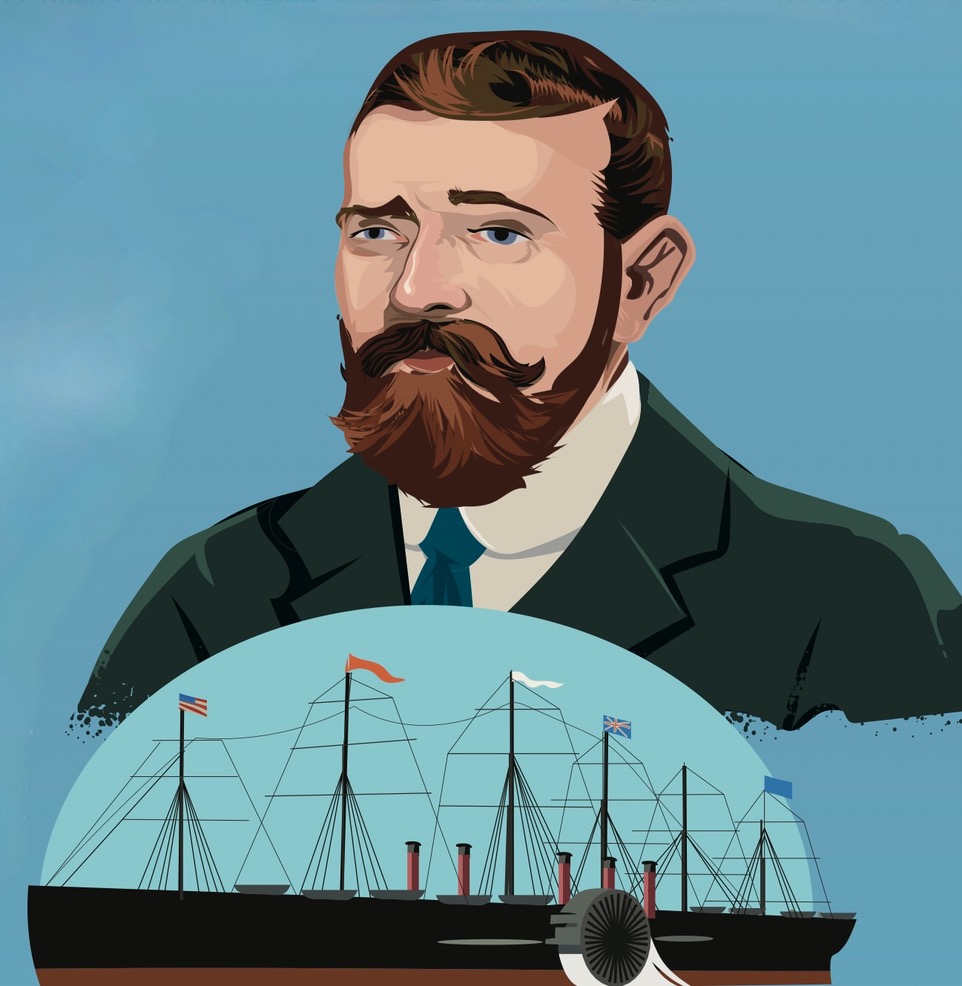 | Captain Robert Halpin (1836–1894)- The Cable Guy |
Captain Halpin’s life reads like a sea-story: a boy from a Wicklow quayside tavern who grew up to command Brunel’s monster ship, lay the Atlantic cables and help wire the world together. In an age when news and money still mostly travelled at the speed of sail, he helped create the infrastructure that made near-instant global communication possible. |
 | Chapter 9 – George Ievers of Athlacca | Tracing a branch of the family who lived at Athlacca (midway between Adare and Kilmallock), County Limerick, and their connection to the Bolster, Gubbins, Hawkins and Blakeney families. |
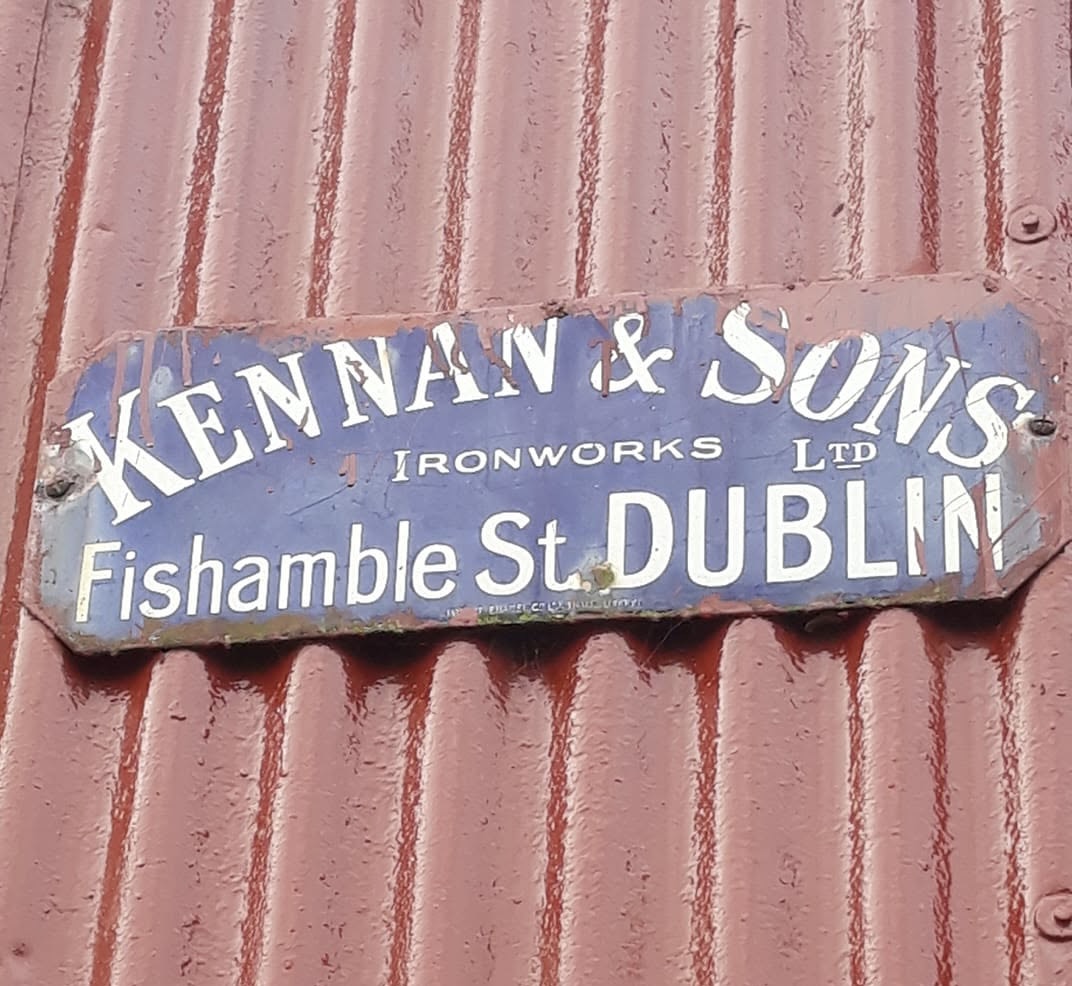 | Kennan & Sons – Dublin Engineering and Ironworks |
An account of Kennan & Sons of Fishamble Street, a long‑lived Dublin engineering and iron‑founding firm, active from the late 18th century until the late 20th century, whose works incorporated the former Neal’s Music Hall where Handel’s Messiah received its premiere in 1742. |
 | The Magistrate: Benjamin Bunbury (1751-1823) of Moyle & Killerig |
Benjamin Bunbury was one of the younger sons of Thomas Bunbury of Kill but the death in a horse fall of his older brother William propelled him into the deep end as he took over the running of Lisnavagh, as well as Moyle and Killerrig, on behalf of his young nephew. He earned himself a reputation as something of a diplomat during the 1798 Rebellion but narrowly avoided being murdered by the Finnegan gang shortly before his death at the age of 72 . |
 | Notes on Athy, County Kildare |
The stories of Ernest Shackleton, a saviour ape, a Scottish invasion of Kildare, a World War One hero, a bare knuckle champ, amongst others, from the very first Past Tracks panel – installed in 2019 and illustrated by Derry Dillon. Nationwide filmed an episode with Turtle guiding viewers through the panel. |
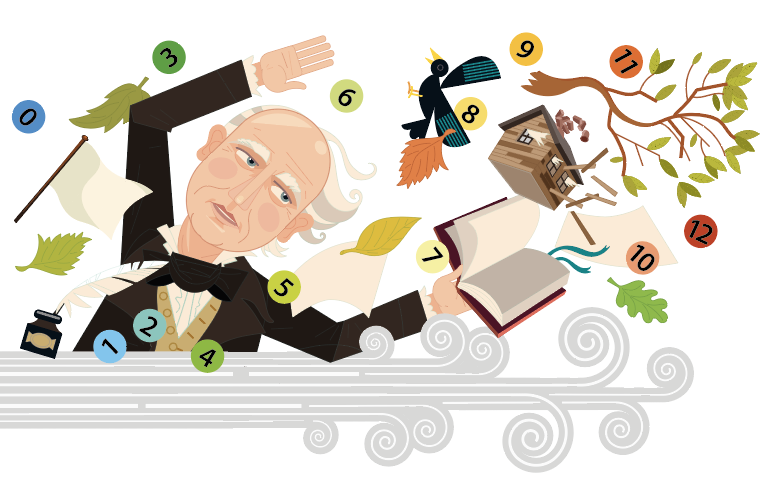 | Rear Admiral Sir Francis Beaufort (1774–1857) – Windscale Pioneer |
The Navan man who transformed how the world mapped coastlines, read tides and measured the wind. From shipwrecked teenager to Hydrographer of the Navy, his charts, tide tables, wind‑force scale and even his private cipher left a global legacy that still shapes navigation, meteorology and maritime safety today. |
 | Maria Edgeworth (1768-1849) – Queen of Novels |
The story of the author of the critically acclaimed ‘Castle Rackrent’, a comic masterpiece, and her inventive father, and how Maria came to the aid of the people of Longford during the Great Hunger. |
 | Notes on Navan, County Meath |
These short blurbs were written for a panel installed in the Riverside Maxol station in Navan, County Meath, in 2023. Illustrated by the wonderful Derry Dillon, they celebrate Francis Beaufort’s contributions to cartography and meteorology, the Navan Carpet Factory, Pierce Brosnan’s early life, and the musical achievements of Gloria Smyth, amongst other tales. |
 | Naas Racecourse – Roll of Honour |
Between 2020 and 2026, National Hunt horses that ran at Naas also won the Cheltenham Gold Cup, the King George VI Chase, the Aintree Grand National, the Cheltenham Supreme Novices’ Hurdle, the Cheltenham Triumph Hurdle, and the Queen Mother Champion Chase, twice. On the Flat, they also scooped the Epsom Derby, the Epsom Oaks, the English 2,000 Guineas, the English 1,000 Guineas, the Melbourne Cup, the King Charles III Stakes (Ascot) and four Breeders’ Cups. |
 | The Bridges of Dublin City |
Dublin would not have been possible without its bridges. It’s all too easy to forget that this is a city built upon rivers and bordered by a wild and tempestuous sea. They’ve been building bridges in Dublin at least since Norman times but the old bridges, made from wood and clay, invariably collapsed and washed away. |
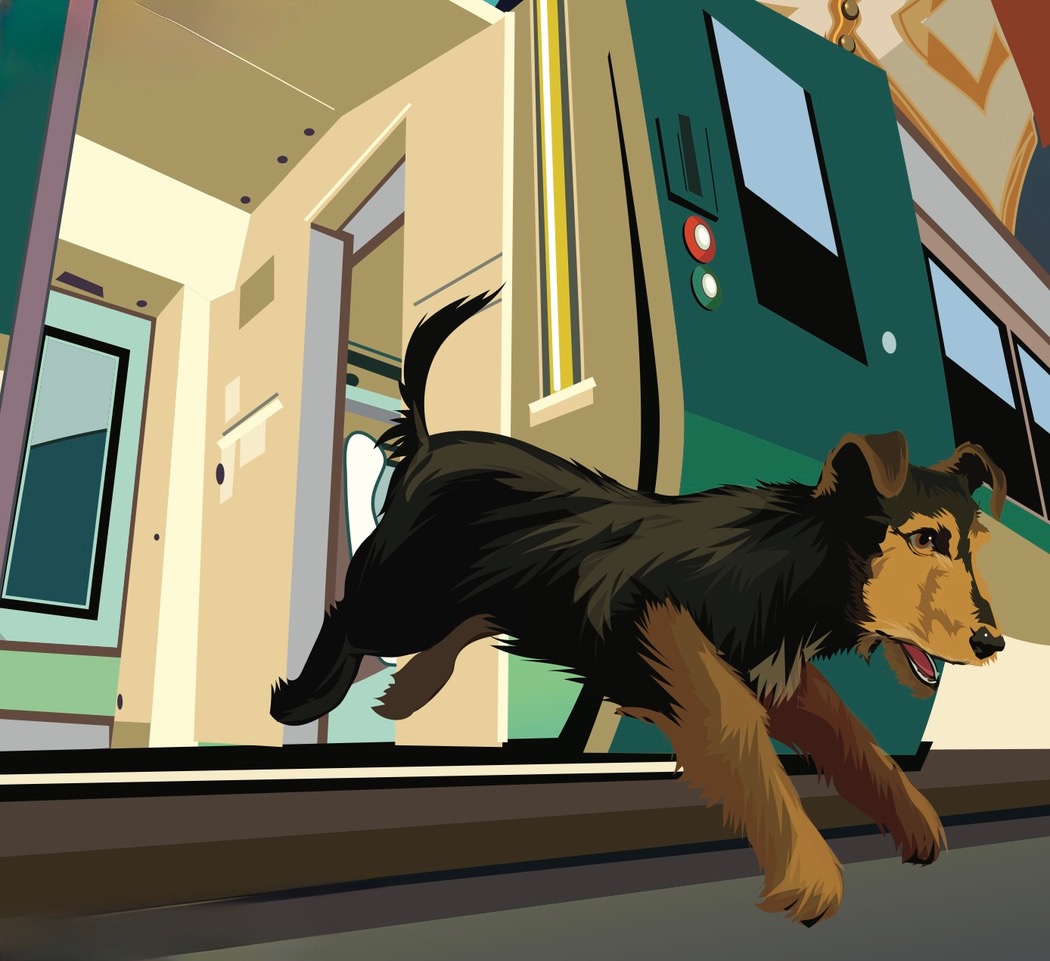 | Notes on Naas, Sallins, Kill and Johnstown, County Kildare |
An overview of the some of the main characters from the region from early historical figures like King Cerball mac Muirecáin, Philip Flatsbury, and ‘Black Tom’ Wentworth to more recent names such as Theobald Wolfe Tone, William Makepeace Thackeray, the 6th Earl of Mayo, and Evelyn Anthony. Historical sites include Jigginstown, Clongowes Wood, and Maudlins burial ground. |
 | Rudall of London and Cornwall |
The ancestry and descendants of the Rev. Alfred Rudall, Vicar of St. Agnes in Cornwall, including the Clara Schumann link and the remarkable story of his nephew Lieutenant Alfred Rudall and Eva Halpin. |
 | Notes on Sandymount, County Dublin |
Looking at notable figures and historical events associated with Sandymount, Dublin, including Nobel Laureates W.B. Yeats and Seamus Heaney, the Easter Rising, feminist activist Gretta Cousins, RTE icon Charlie Bird and cultural contributions like the Irish national anthem and local architecture. |
 | Al Capone's Irish Connections |
Al Capone's beautiful wife Mae was the daughter of Irish emigrants. Al learned his craft fighting against Irish‑American dock and street gangs in Brooklyn before moving to Chicago. This story traces the surprisingly dense Irish threads running through Capone’s early life and legend. |
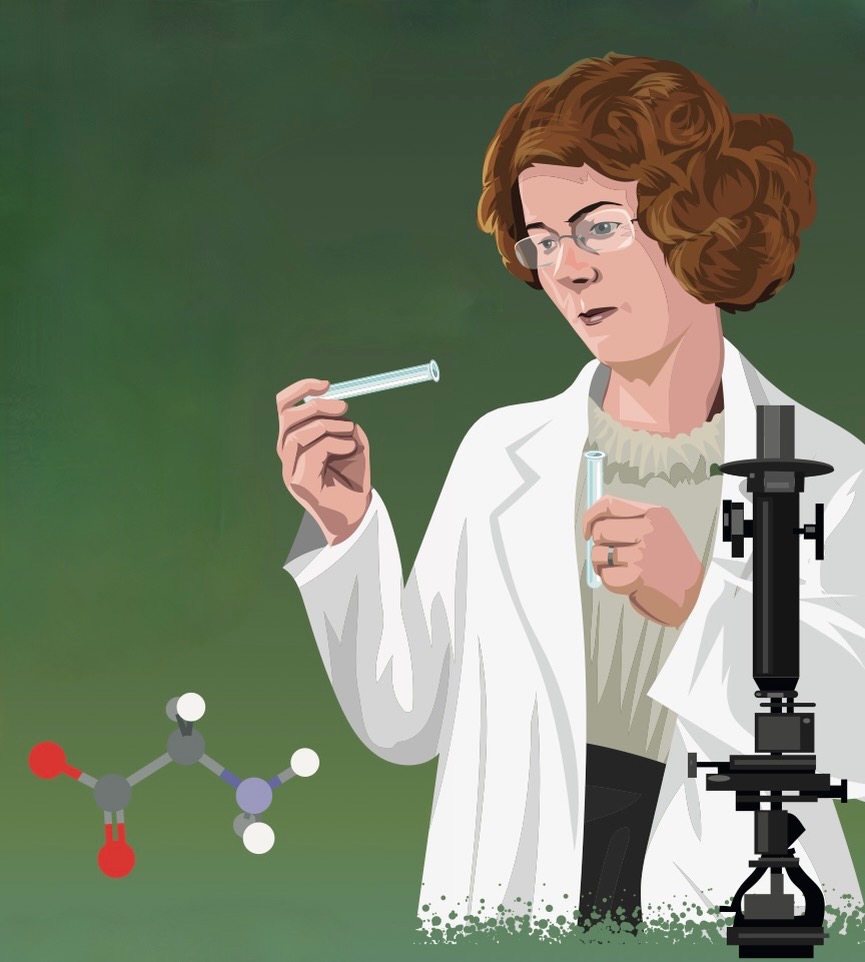 | Notes on Newbridge & The Curragh, County Kildare |
From the raised bog of Mouds and the Hill of Allen to Dancing Jack Lattin, Christy Moore, Molly Keane and Newbridge’s twin towns emerges a landscape where myth, music, literature and industry are densely intertwined. |
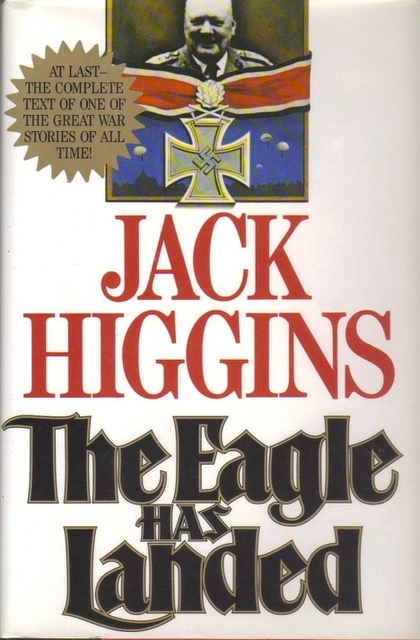 | Jack Higgins (1929-2022) – The Belfast Roots of an Author |
Belfast‑raised thriller writer Jack Higgins transformed memories of sectarian tension on the Shankill Road into bestselling novels like The Eagle Has Landed and A Prayer for the Dying, selling over 250 million books and bringing the Troubles into mainstream popular fiction. |
 | Notes on Balbriggan, County Dublin |
Stories of Sinéad de Valera, a heroic sea rescue, Queen Victoria’s favourite stockings, a saint who kept bees, a Traveller family, an emigrant who led one of the gangs of New York and the enterprising Baron Hamilton, amongst others. |
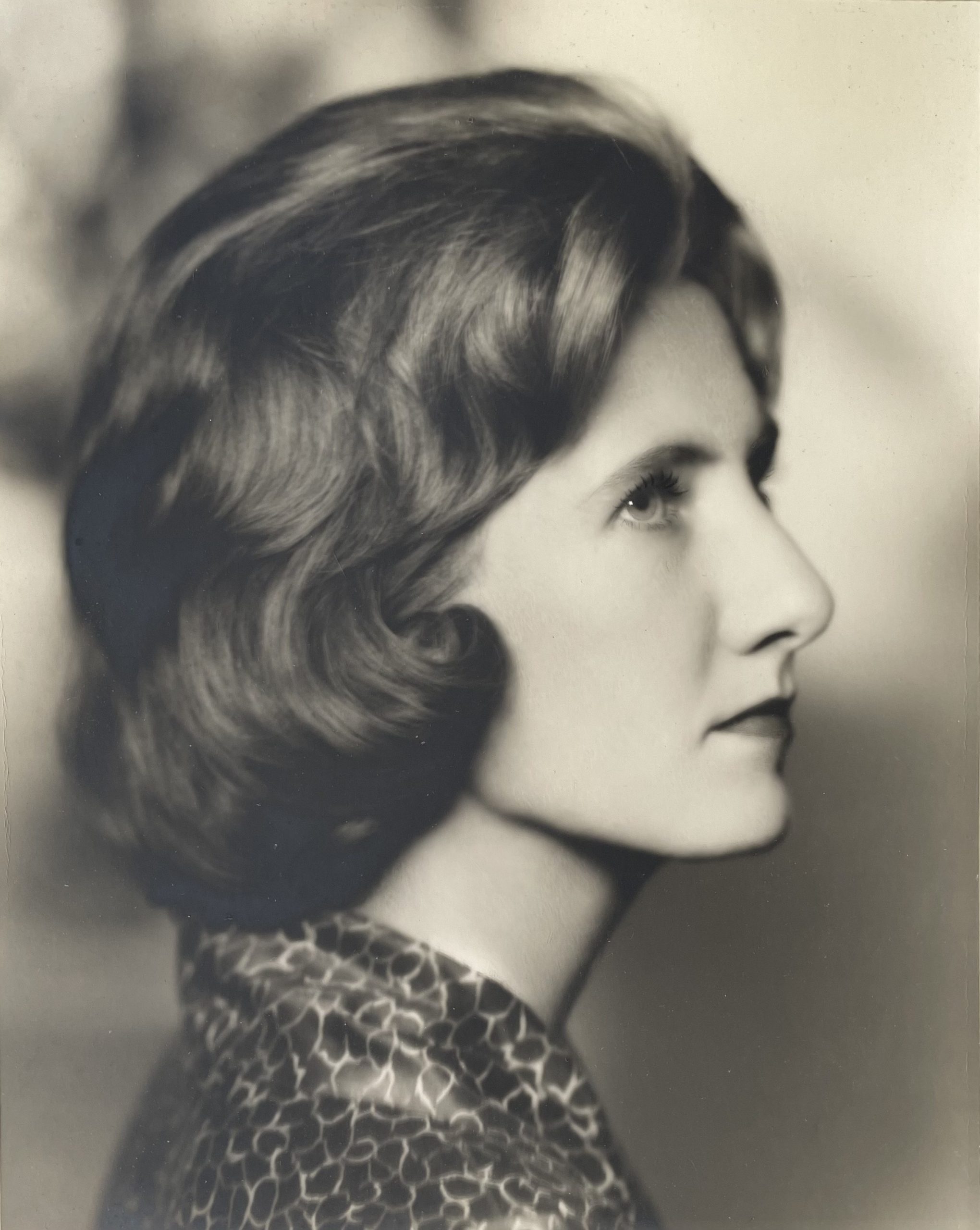 | The Dacres Dixon Family (1630-2025) |
Following a family famous for the Mason-Dixie line, who made their mark as astronomers, canal engineers and wildlife artists, with cameos by intrepid emerald hunters in Colombia and Venezuela, plus the Red Lion Inn in Henley-on-Thames and links to the families of Bevan, Hare (Earl of Listowel), Pelham (Earl of Yarborough) and Rathdonnell (McClintock Bunbury). |
 | Notes on Castlebar, County Mayo |
The stories of the inventor of the torpedo, a global prima donna, a telephone pioneer, the short-lived Republic of Connacht, the inglorious Races of Castlebar, the rise and fall of the Earls of Lucan, and a gentleman who went to the gallows. |
 | Notes on Athlone, County Westmeath |
The stories of a Victoria Cross winning drummer boy, a world heavyweight boxing champ, a deadly hurricane, the Earls of Athlone, Count John McCormack, and a brilliant bandmaster who performed at the inauguration of six US presidents. Extracted from Past Tracks. Irish translation included. |
 | Latona – The Limerick Link |
Italian sailor Vincenzo Latona married Catherine Murphy at St Michael’s Church, Limerick, in 1885, then emigrated to Sydney, became an auctioneer, and named his family home “Latonaville,” linking Sicilian roots to Irish and Australian lives. |
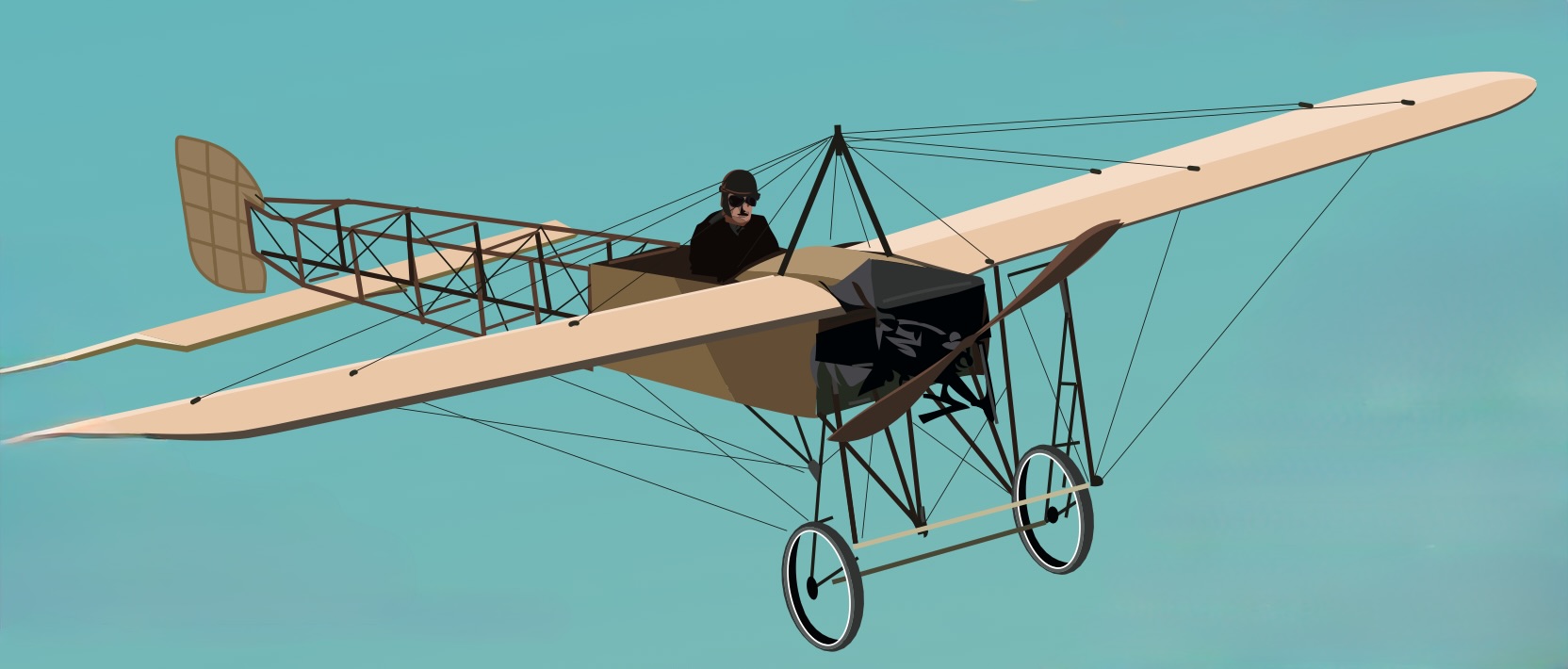 | Notes on Enniscorthy, County Wexford |
Highlighting notable figures from Enniscorthy, including Eileen Gray, a pioneering modernist architect and furniture designer; Martin Cash, an infamous Australian bushranger; acclaimed novelist Colm Tóibín, as well as Denys Corbett Wilson, the first aviator to fly from Britain to Ireland, and John P. Holland, the submarine inventor. Includes references to local landmarks such as Brownswood House and Enniscorthy Castle. |
 | Aidan ‘Ogie’ Nolan (1922-2017) – Saddler & Harness Maker – Enniscorthy |
See here for more stories of County Wexford Ogie Nolan crouched beneath the speaker’s … |
 | Auburn House, Malahide, Co Dublin, Ireland |
One of the finest residences in Malahide is Auburn House, a golden-brown three-storey mansion located within a wooded demesne adjacent to Malahide Castle. In the early 2000s, its owners – Mary McEvaddy and her then husband, aviation pioneer Ulick McEvaddy – renovated the property with the help of John Deaton of Deaton Lysaght Architects. |
 | Sky Patrol With Erskine Childers in The Great War |
Erskine Childers is famed for steering the yacht Asgard into Howth in 1914, delivering 900 German rifles to the Irish Volunteers. Less well known is his work as as aerial observer for the Royal Naval Volunteer Reserve during World War One, where he served over the North Sea, in Gallipoli, and Palestine. His last wartime role was advising the RAF on a Berlin air raid. An opponent of the Anglo-Irish Treaty, he was executed by the Irish Free State in 1922. |
 | Temple Bar – The Heart of Dublin City |
Temple Bar has long been one of Dublin’s most popular visitor destinations, the city’s answer to Covent Garden in London or Les Halles in Paris. This is the story of an apartment in Temple Bar. |
 | Seanie Quinlan – The Gravedigger of Kilsheelan, County Tipperary |
Born in 1946, Seanie Quinlan is a man from the Otherworld. Perhaps that’s because he has spent so much of his life attending to those bound for the unknown pastures of death. |
 | Richard Roberts (1803-1841) and the Sirius |
From a hillside house above Cork Harbour, Richard Roberts joined the Royal Navy, later captaining the wooden‑hulled steamship Sirius on the first all‑steam Atlantic crossing to New York in 1838, before vanishing at sea in 1841. |
 | John Pugh (1821-1900) of Dublin and Halifax | Dublin‑born sea captain John Pugh became a Halifax merchant, Catholic community figure, and MLA, marrying Newfoundland‑born Alice Saunders. Their daughter Justina linked the family to early undersea cable work, carrying the Pugh story from Irish Sea routes to Panama and Lima. |
 | Captain William McClintock Bunbury, R.N., Part 2: The Sea Years (1813-1835) |
In 1813, 13-year-old William McClintock Bunbury joined HMS Ajax as a first-class volunteer, participating in his first sea battle the following year. Over the next two decades he would rise through the naval ranks and travel astonishing distances across the southern hemisphere. Most of this was on board HMS Samarang, a sister ship of HMS Beagle, and Charles Darwin was never far away. Meanwhile, as William IV succeeded George IV, and slavery is abolished, there is pile up of family tragedy in store … |
 | County Cork and Cork City – Choose a Topic | Choose from these topics for stories of people, families, events and places connected to County Cork and Cork City’s past. |
 | The Premiere of Handel's Messiah – Dublin, 1742 |
In 1742, over 700 people crowded into the Great Musick Hall in Dublin to hear Handel lead the performance of his choral masterpiece. In view of the numbers, ladies were requested to come “without hoops,” and gentlemen without swords. Critics were unanimous – this was “the finest Composition of Musick that ever was heard.” |
 | An tSlí Mhór (The Great Way) and the Esker Riada | Three parishes and circa 74 townlands across the island of Ireland are named after eskers, ridges formed in glacial times. This article offers a few thoughts on how and why some of Ireland’s present-day roads have been used for several thousand years. |
 | Notes on Ennis, County Clare |
See here for more stories from County Clare. The Bear From Clare Perhaps the … |
 | 9. Kilkea Castle – Custodians (1961-2010) |
In 1961, the Marquess of Kildare – later the 8th Duke of Leinster – sold Kilkea Castle, his ancestral home in County Kildare, to the Land Commission. There then followed a succession of fascinating owners including an engineer who built most of Northern Ireland’s aeroplane runways, a veteran of the French resistance and the wife of Agent Zigzag, an extraordinary British double agent – as the castle evolved into a health farm and hotel. The castle hotel is now owned and run by Jay Cashman. |
 | Richard Boyle (1566–1643) – The Great Earl of Cork |
Born in Canterbury in 1566, Boyle was the dominant figure in Ireland’s Blackwater Valley for four decades. A self-made entrepreneur, he turned modest beginnings into an immense Munster estate, was created Earl of Cork in 1620, and by his death in 1643 was among the Crown’s wealthiest subjects. |
 | Notes on Drogheda, County Louth |
Highlighting historical figures and events connected to Drogheda, such as 1916 icons Major John MacBride and Éamonn Ceannt; Colonel Isaac Eure, the Regicide; Thomas Charles Wright, who founded the Ecuadorian Navy, and Michael Scott, a renowned architect, as well as wine merchants, inventors, and humanitarian efforts during the Great Hunger. |
 | Thomas Harriot (1560-1621) – Renaissance Man, Virginia Pioneer |
A remarkable scientist, linguist, mathematician and surveyor, Harriot journeyed to North America with his friend John White in 1585 and spent time living among Algonquian-speaking peoples of the Roanoke and Chesapeake region. Between 1588 and 1598, he was closely associated with Walter Raleigh's Irish estate in Munster. |
 | Don Patricio O'Connell – Barça's Saviour |
The first Irish captain of Manchester United, who won six caps for Ireland, Patrick O'Connell began managing in Spain in 1922, leading Real Betis to their only La Liga title in 1935. As Barcelona manager during the Spanish Civil War, ‘Don Patricio' saved the club by organising a crucial North American tour. |
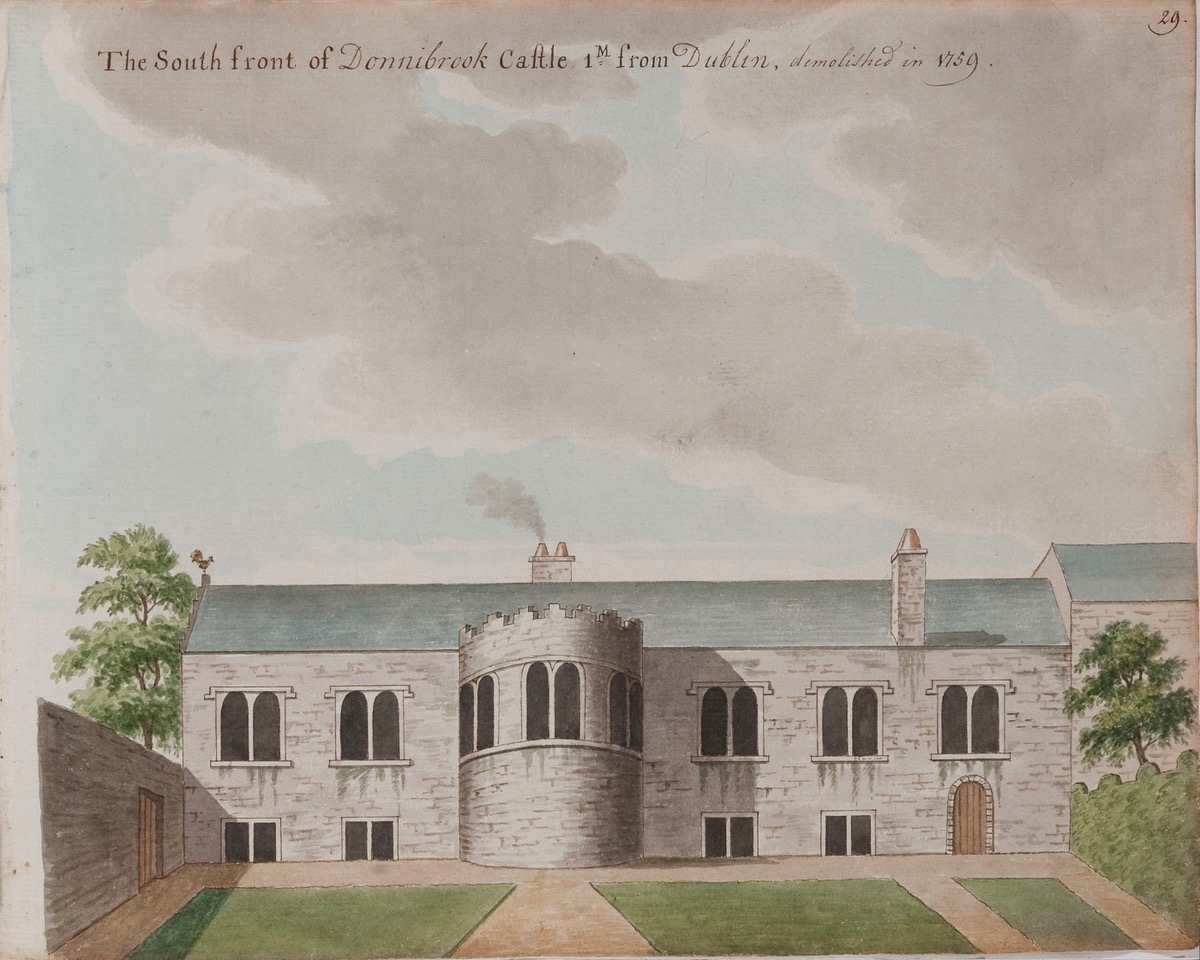 | Ussher of Donnybrook Castle and Portrane (Dublin) and Mount Ussher (Wicklow) |
Donnybrook Castle and Portrane anchored the Usshers in County Dublin, while Mount Ussher in County Wicklow became the seat of a prolific cadet branch that furnished MPs, clergy, soldiers and imperial administrators across three centuries. |
 | James Hoban – Architect of the White House |
The Kilkenny-born architect who designed and built the White House and then, after it was destroyed by a fellow Irishman in the War of 1812, rebuilt it! He also supervising the building of both the United States Capitol and US President James Monroe’s family mansion at Oak Hill in Aldie, Virginia. |
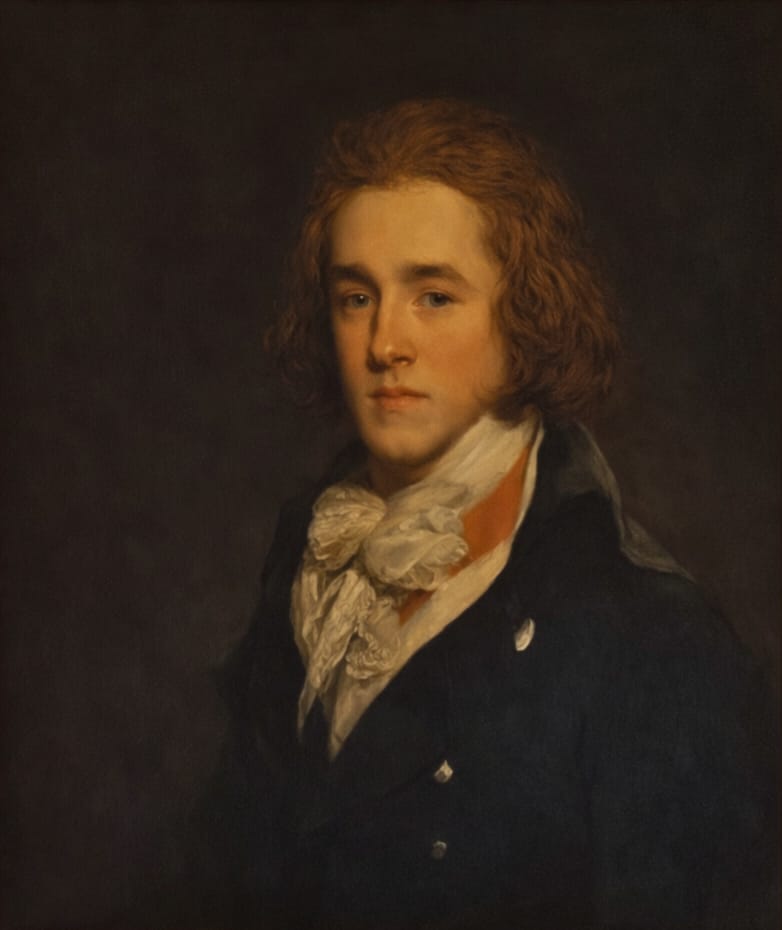 | Tom Bunbury of Lisnavagh (1775-1846), MP for Carlow |
A chronological account of the bachelor Thomas Bunbury, eldest son of William Bunbury III of Lisnavagh and his wife Katherine (née Kane), taking in the tragic deaths of his father and sister, his time at Oxford, his connections to Bath and his role as an MP and magistrate in County Carlow on the eve of the Great Hunger. |
 | Applause for Vanishing Ireland | Christy Moore, Rob Kearney, John Spain and hundreds of others voice their approval of the Vanishing Ireland project on a page that Turtle secretly visits from time to time on the rare occasions he's feeling a little blue. |
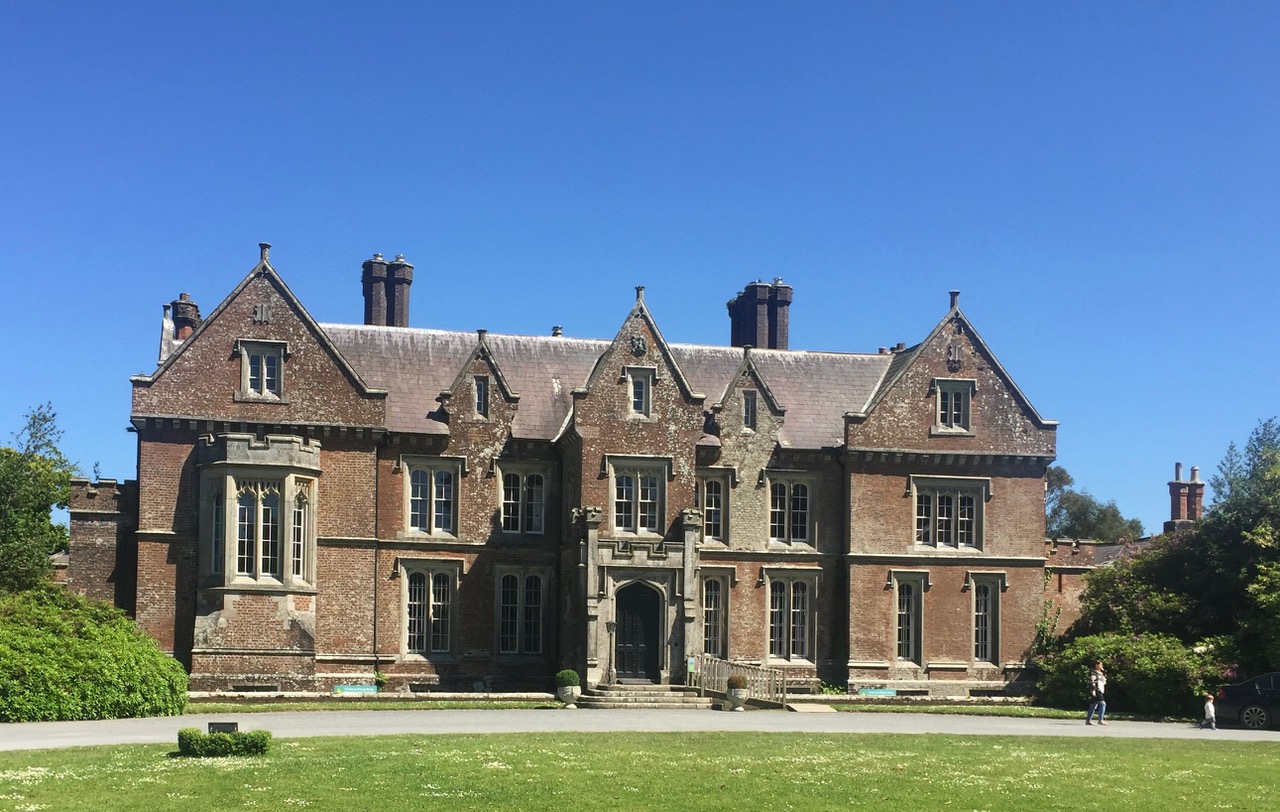 | Doyne of Wells, Gorey, County Wexford, & St Austin’s, Tullow, County Carlow |
See here for more stories of County Carlow The Doyne family claimed descent from … |
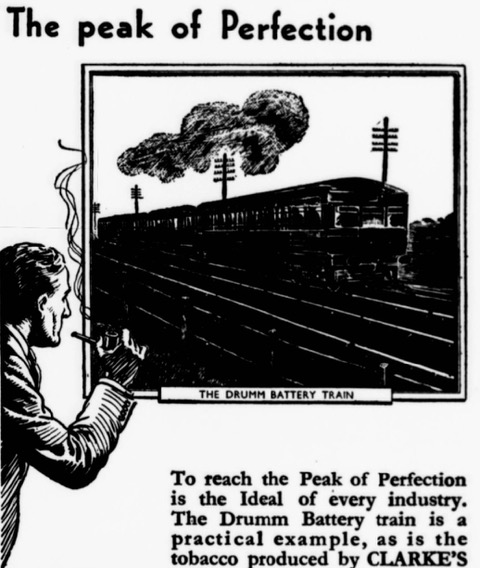 | Dr Drumm’s Battery Trains |
Nearly a century before Tesla, Dr James J. Drumm put fast‑charging battery trains on the Dublin–Bray line. Today, Ireland’s new DART+ battery fleet finally realises his ahead‑of‑its‑time vision. |
 | The Maxol Story |
Turtle was commissioned to research, write and produce the history of Maxol as a handsome coffee table. He also converted the history into an 11-part podcast series, which he narrated. |
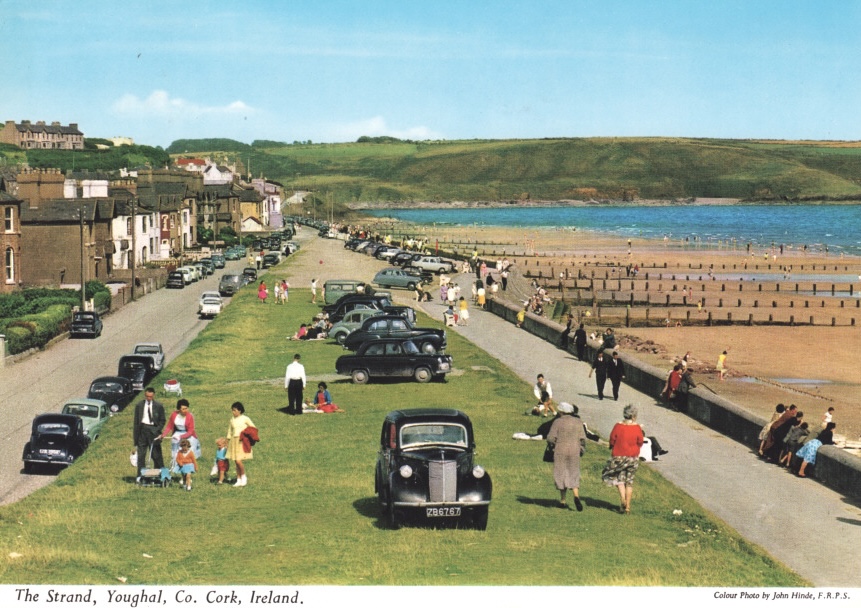 | Notes on Youghal, County Cork |
See here for more stories of County Cork Sir Walter Raleigh The full story … |
 | Sir Walter Raleigh in Ireland |
On the scaffold, he refused a blindfold, put his head on the block, delivered a short prayer and urged the executioner on. The axe-man hesitated. ‘Strike man, strike!’ called the great adventurer. Thus ended the life of one of the most enigmatic adventurers, soldiers, scholars and courtiers of the Tudor Age. |
 | La Touche of Marlay, Bellevue & Harristown |
Arguably Ireland’s most prominent Huguenot family in the Georgian Age, the La Touche family descend from David La Touche, a refugee from the Loire Valley who served at the Battle of the Boyne and went on to found the bank of La Touche & Sons. His descendants were to be instrumental in the evolution of Ireland’s banking institutions over the 18th century, and spearheaded educational reform in the 19th. The Harristown branch included John “The Master” La Touche, a fanatical evangelist, and his daughter, Rose, whose tragic romance with artist John Ruskin resulted in her untimely death at the age of 25. |
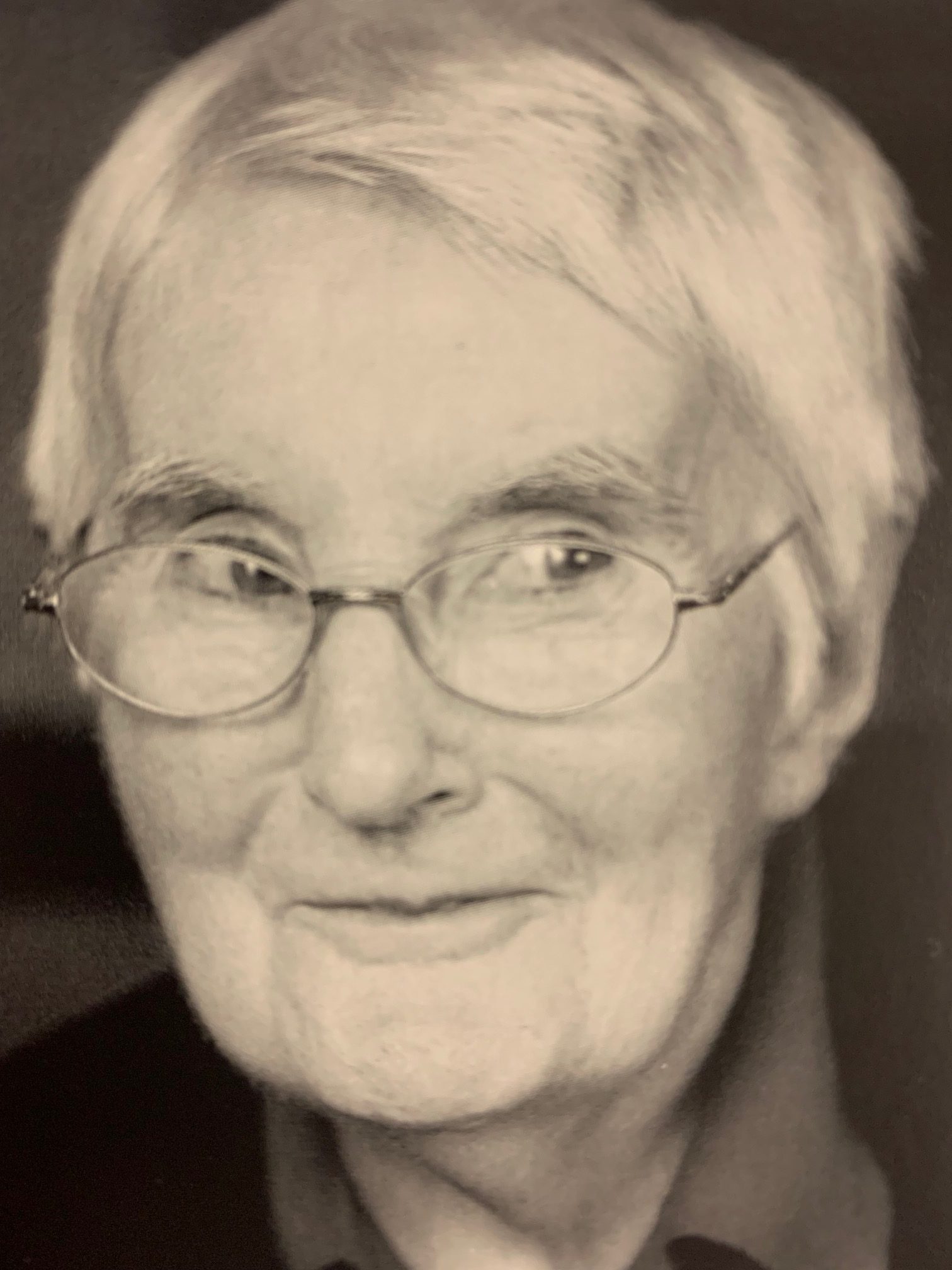 | Teresa McGerty (1925-2013) – Publican of Longfield, County Leitrim |
A farmer’s daughter from County Cavan crosses into Leitrim to run her new husband’s grocery shop and pub, whose patrons include the charismatic author John Godley, 3rd Lord Kilbracken. |
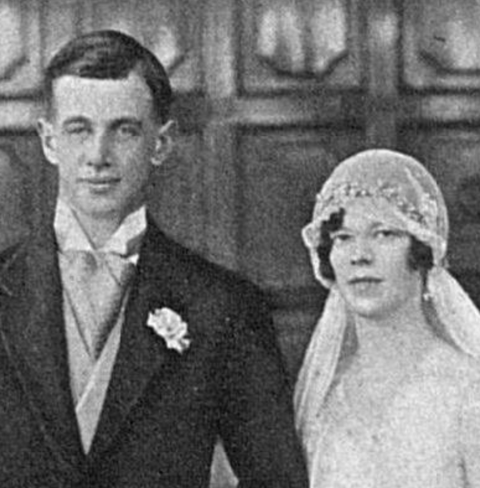 | Perceval-Maxwell of Finnebrogue and Groomsport (County Down) and Moore Hall and Headborough (County Waterford) |
The Perceval-Maxwell story links Kilmore Hill and Moore Hill with Finnebrogue and Groomsport, following clergy, MPs, soldiers and novelists from Archdeacon William Perceval through Robert Perceval-Maxwell to Patrick and Madge at Headborough in mid‑twentieth‑century Waterford and Down. |
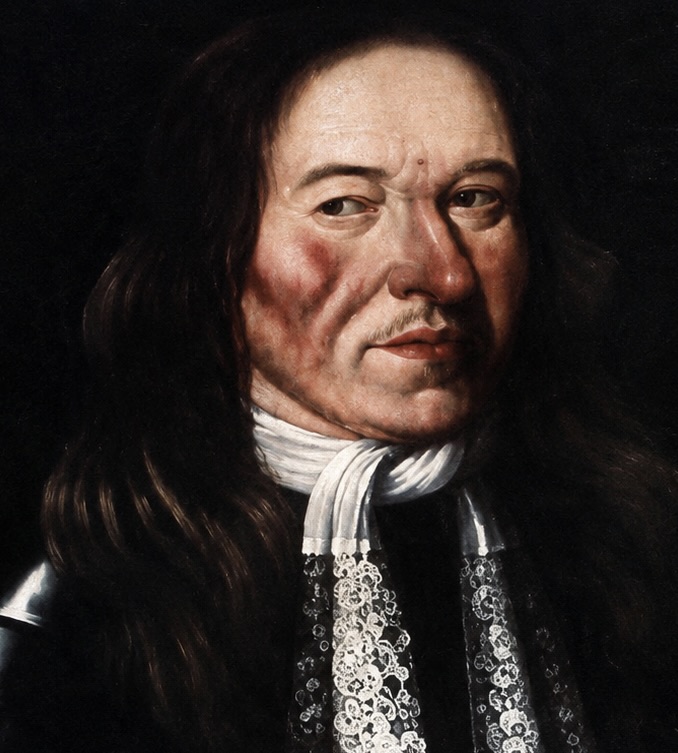 | Oliver of Castle Oliver, County Limerick. |
See here for more stories of County Limerick Born in Kent in about 1593, … |
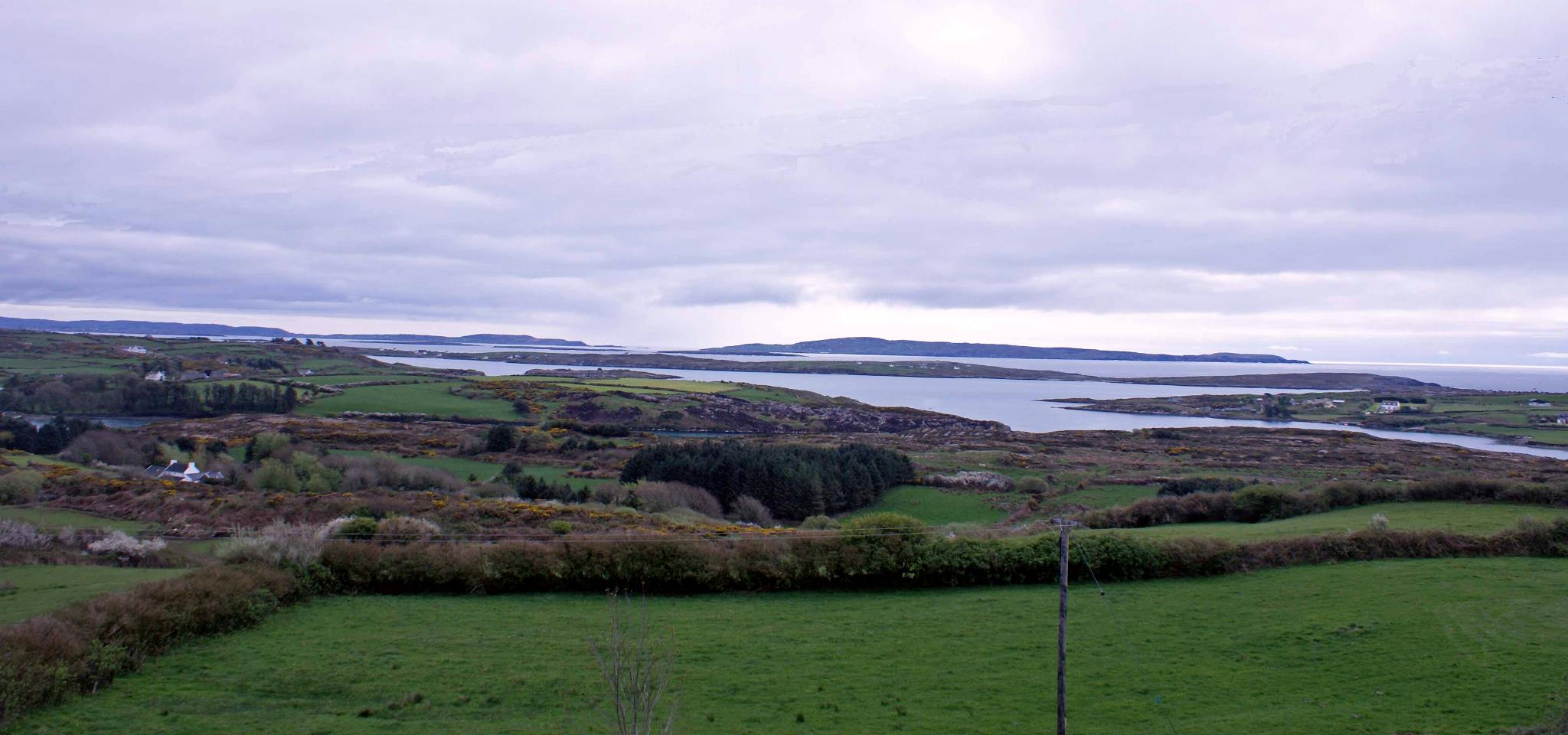 | The Pirate Hull of Leamcon, West Cork |
Hull was a piratical cad from the early days when he was engaged in smuggling and piracy operations off the coast of Devon as early as 1604. So it was a case of poacher-turned-gamekeeper when, during the reign of James I of England, the English Admiralty appointed him Deputy Vice Admiral of Munster in 1609. |
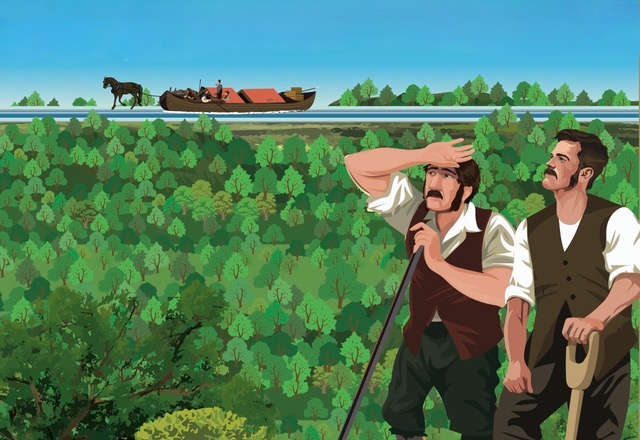 | Notes on Leixlip, County Kildare |
Stories of Leixlip, Ireland, detailing events from Viking battles to the establishment of notable landmarks like Leixlip Castle and the Ryevale Distillery. It highlights influential figures such as Desmond Guinness and Kit Cavanagh, and discusses local heritage, architecture, and cultural contributions throughout the centuries. |
 | Ussher of Eastwell, Loughrea, County Galway | See here for other stories relating to County Galway. This branch of the Usshers … |
 | Notes on Charleville, County Cork |
See here for more stories of County Cork The Side-Switcher Located in the north … |
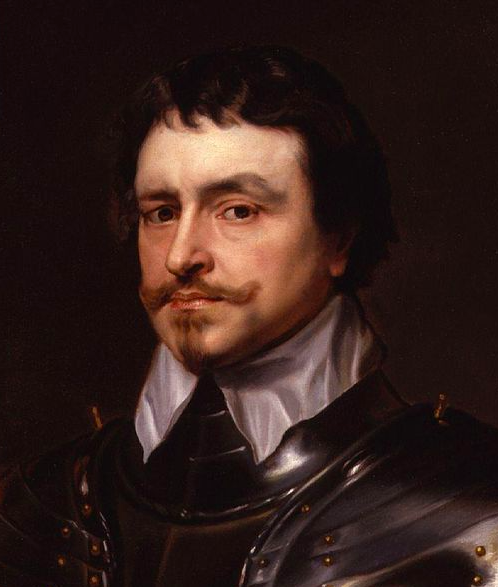 | Wiseman of Bandon, County Cork |
Bandon in West Cork began as a planned Protestant plantation town on the upper Bandon river in the early 1600s. Among its founding colonists were Simon and William Wiseman, key figures in Richard Boyle’s Munster project whose descendants, intriguingly, may include the Roman Catholic Cardinal Nicholas Wiseman. |
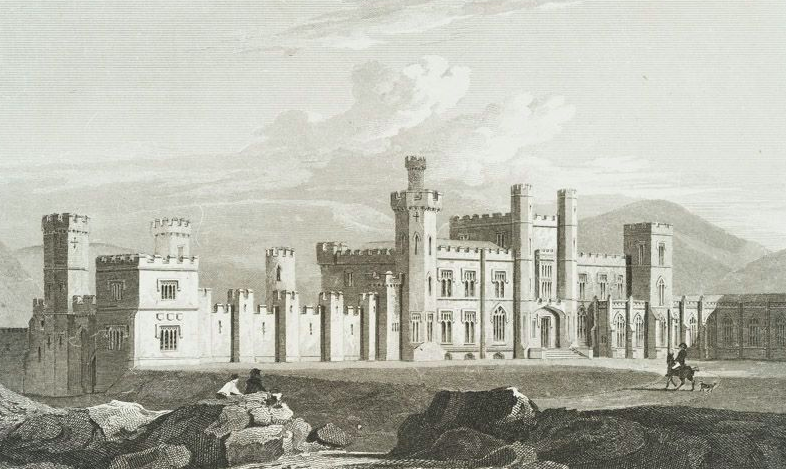 | Freke (Barons Carbery) of Castle Freke, Rathbarry, County Cork |
The Freke family rose from Tudor‑era Dorset officials and merchants to become powerful West Cork landowners at Rathbarry, later Castle Freke. Their story spans Virginia’s early colonial ventures, the epic siege of Rathbarry in 1642, the creation of the Evans‑Freke Barons Carbery, and a remarkable link to Justin Trudeau. |
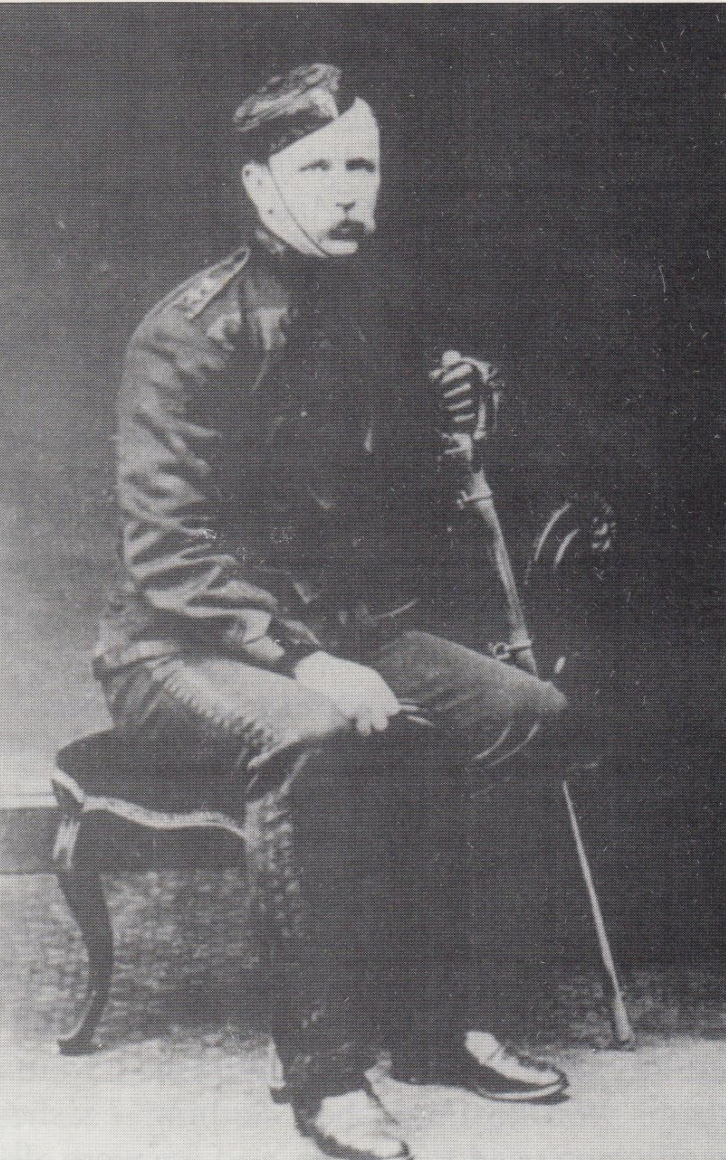 | Thomas St. George MacCarthy (1862-1943) – The Rugby Star who Co-founded the GAA |
District Inspector MacCarthy was the most unlikely of all the people present when the Gaelic Athletic Association was founded in 1884. He was, after all, a member of the Royal Irish Constabulary, like his father before him. MacCarthy would have a controversial career in the police but he would also be airbrushed from history until 2009. |
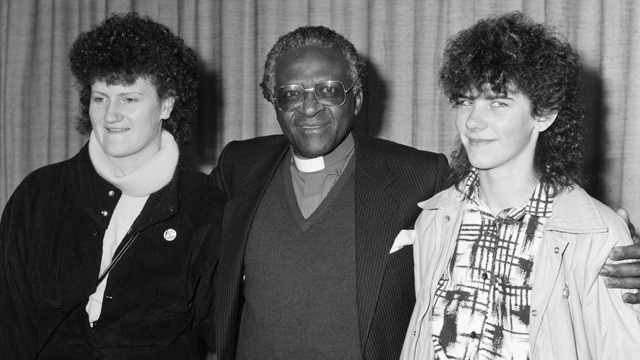 | The Grapefruit Ladies and Nelson Mandela (1984-1987) |
Irish shopworkers at Dunnes Stores in Dublin, led by Mary Manning, refused to handle South African grapefruit in 1984, sparking a three‑year anti‑apartheid strike that won global support and Mandela’s thanks. |
 | Father Edwin Fitzgibbon & Doctor George Sigerson: The Monk & The Poet |
The story behind Dr George Sigerson and Father Edwin Fitzgibbon, whose trophies are competed for annually by the top division GAA teams from the Higher Education. The two men were of a decidedly intellectual bent but, until recently, their work and influence has been almost completely overlooked. |
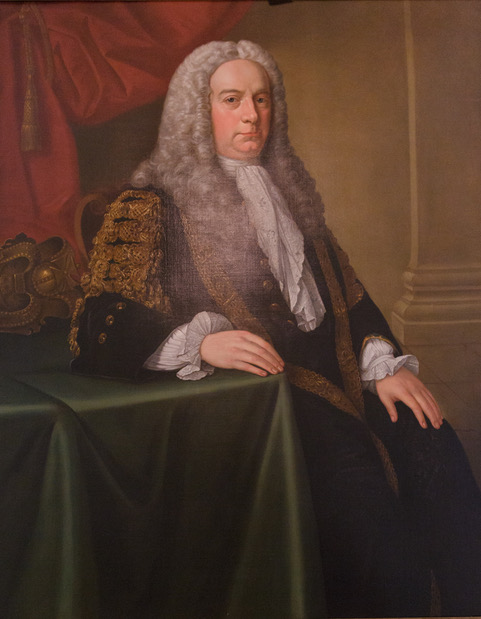 | Boyles, Earls of Shannon |
The Earls of Shannon were a powerful junior branch of the Boyle dynasty, based at Castlemartyr in East Cork. From Henry Boyle, 1st Earl of Shannon, to the post-Union decline of their parliamentary influence, this is the story of one family’s role in eighteenth-century Irish politics. |
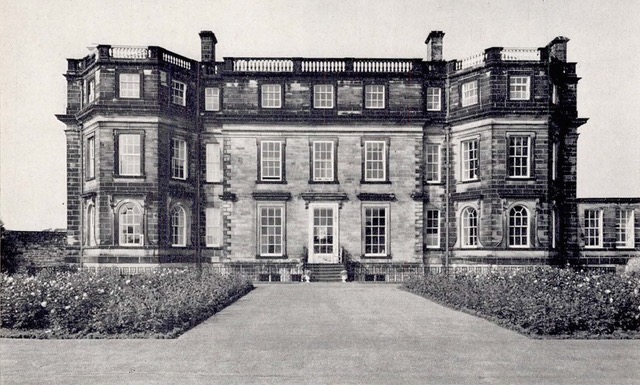 | Smyth of Heath Hall, Yorkshire |
How Bradford wool merchants the Smyths rose from Myreshaw to build Heath Hall, Wakefield — John Carr's Georgian masterpiece — across four generations. |
 | Redmond Kane and the O'Cahan Family |
The story of the O’Cahans of Limavady, who became the Kane family, prominent bankers, homing in on the attorney Redmond Kane of Mantua, Swords, County Dublin, one of the wealthiest commoners in Ireland during the late 18th century. He was also for many years the Solicitor to the Irish Company entrusted with management of what is now County Derry Londonderry. In time, the substantial Kane estates would pass to his grandson Colonel Kane Bunbury. |
 | Notes on Boyle, County Roscommon |
The stories of the Hollywood beauty who starred in the Tarzan movies, the scullery maid who became a baroness, a Great War air ace, the woman who composed India’s national anthem, a regiment known as the Devil’s Own and the inspiration for Chris O’Dowd’s ‘Moone Boy.’ Extracted from Past Tracks, with Irish translations by Jack O'Driscoll. |
 | Adare Manor – The Renaissance of an Irish Country House | Turtle Bunbury’s 2020 book traces Adare Manor’s journey from its origins as a medieval manor house in County Limerick to its 21st-century status as a multi-award-winning, luxury five-star resort and venue for the 2027 Ryder Cup. Adare Manor was voted the No.1 Resort in Europe for a third consecutive year in the 2024 Condé Nast Traveler Readers’ Choice Awards |
 | The Major – Hugh Caruthers Massy (1914-1987) |
An account of my father's stepfather Major Hugh Caruthers Massy, from orphaned childhood to Prisoner of War, from Gaza to Kenya to Ballynatray, with musings upon his family background and his lovely sister Narcissa. |
 | St Columba's Church, Tullow, County Carlow |
See here for more stories of County Carlow. Built in 1830-31, the current … |
 | Notes on Maynooth, County Kildare |
A look at some key figures and events associated with Maynooth and its college. It highlights Richard Talbot’s role as Viceroy under James II, the establishment of Maynooth College, George Barrington’s criminal exploits, Empress Sisi’s visit to the college, and Theobald Mathew’s temperance movement, along with Joe Biden’s ancestor and the beautiful soul that was Marianne Faithfull. |
 | Maule of Panmure, Angus, Scotland |
A colourful account of the Maule family of Panmure, from crusading Norman origins and Scottish castles to the Irish Maule line, and James and William Maule’s later gardening and nursery connections. |
 | Barry of Knocknasure, Blarney and Madden’s Building, Cork |
Tracing Patrick Barry’s family from Blarney to Cork’s Madden’s Buildings, this account links marriages, millwork, Hawkes and Gilbertson connections, census returns, Irish Volunteers, and the artistic promise of sons Thomas and Matthew Barry within Cork’s social history from 1878-1926 era. |
 | William Knox D’Arcy (1849-1917) – The Irish Oil Tycoon |
Knox D’Arcy was one of Australia’s greatest entrepreneurs. The only son of an Irish-born solicitor, he is regarded as the founding father of the oil and petrochemical industry in Iran. His company, Anglo-Persian Oil, was the forerunner of British Petroleum. He already owned a mountain in Australia that was stuffed with gold. His life was an epic in itself, an extraordinary rollercoaster ride of soaring fortunes and bitter disappointments. |
 | D'Israeli School, Bough, County Carlow. |
Benjamin Disraeli (c. 1766-1814), reputedly an uncle of the British prime minister, made a fortune as a lottery agent during the reign of George III. He prospered after his lottery office at 105 Grafton Street sold the winning ticket for a prize worth £30,000 in 1795. In his will, he left £3,000 for the establishment of a non-denominational school “for the education of the poor of Rathvilly” in his adopted county of Carlow. |
 | Billy Grace (1832-1904), Prince of Peru, Mayor of New York | The founder of W. R. Grace & Co was an Irishman who made a fortune during the Peruvian guano boom before he became New York’s first Catholic mayor. Born into a Catholic family from the Laois-Kildare border, Billy liked to say of his ancestors, ‘they’re like potatoes – the best of them underground.’ |
 | John McClintock, 1st Baron Rathdonnell (1798-1879) | John McClintock, who inherited Drumcar House, County Louth, in 1855, launched a series of mostly unsuccessful campaigns to represent County Louth at Westminster. He served just one term from 1857-9, but he caught the eye of Benjamin Disraeli and was created Baron Rathdonnell in 1868. This story follows his life and times, his links to the Bunbury family, and his marriage to Anne Lefroy. |
 | The Incredible Mr Kavanagh |
The story of a remarkable Irishman, born without arms or legs, who became an explorer and member of parliament, as well as a huntsman, sailor, photographer and father of seven. |
 | Finlay of Corkagh House, Clondalkin |
The saga of a family who flee Scotland with the downfall of Mary, Queen of Scots, and make their fortune in Ireland through private banking and a useful cousin that happens to own a handful of iron mines in Sweden. Covering events such as the 1798 Rising and Robert Emmet’s Rebellion, the story ends in tragedy with the death in war of the last three Finlay sons of Corkagh House, County Dublin. |
 | Dublin's CHQ Building: An Epic Past |
At the World Travel Awards in 2021, EPIC, the Irish emigration museum, broke a new record when it became the first visitor attraction to be voted as Europe's Leading Tourist Attraction award three times in a row. This is the remarkable story of the Liffey-side building in which the museum is located. |
 | John ‘Old Turnip' McClintock (1769-1855) of Drumcar, County Louth |
A prominent player in Irish politics during the last years of the Parliament in Dublin, aided by his kinship with John Foster, the last Speaker of the Irish House of Commons and his opposition to the Act of Union, the Brexit of its day. Following the tragic death of his first wife Jane (née Bunbury) in 1801, he married a sister of the 2nd Earl of Clancarty, one of the power houses of European politics after Napoleon’s defeat. |
 | Cuffe, Earls of Desart – Ghostly Women and Forgotten Heroes |
The story of the Cuffes of Desart Court in the Irish county of Kilkenny is as sprawling an epic as ever there was. Over nine generations, the family were deeply ensconced in the affairs of Ireland and the Anglo-Irish world. Their rise through the ranks of Great Britain’s social hierarchy makes for a fascinating mirror of the rise of Britain itself, from uncertain nation state to brash and broody empire, culminating in the burning of Desart Court on 22 February 1923. |
 | Wingfield, Viscounts Powerscourt of Co. Wicklow, Ireland |
Powerscourt House is one of the most famous Georgian houses in Ireland. Built in the 1740s, it was devastated by fire in 1974 but subsequently rebuilt. The estate takes its name from the de la Poer family who built a castle here in Norman times. In 1608, the property came to the possession of Sir Richard Wingfield, a prominent general in the English army. This story of their descendants included one of Lord Byron’s closest friend, a man who hosted George IV to dinner and Sarah, Duchess of York. The Slazengers of Powerscourt are closely related to the present Viscount. |
 | The O'More (Ó Mórdha) of Leix (County Laois) |
Following the O’Mores of Laois from legendary origins and the Seven Septs through Norman and Tudor upheavals, focusing on their shifting lordship, the Abbeyleix Cistercian foundation, and Melachlin mac Owny O’More’s effigy within the wider story of Queen’s County. |
 | Thomas Bunbury (1542-1601) |
Thomas Bunbury is the first of the family with a proven connection to Ireland, supplying victuals in 1580 and serving as trustee of Lismore Castle for his half-brother Sir William Stanley in 1585. Thomas was a son of Henry Bunbury, Lord de Bunbury, and his wife Margaret Aldersey. His wife Bridget Aston was the scion of a prominent Catholic family. |
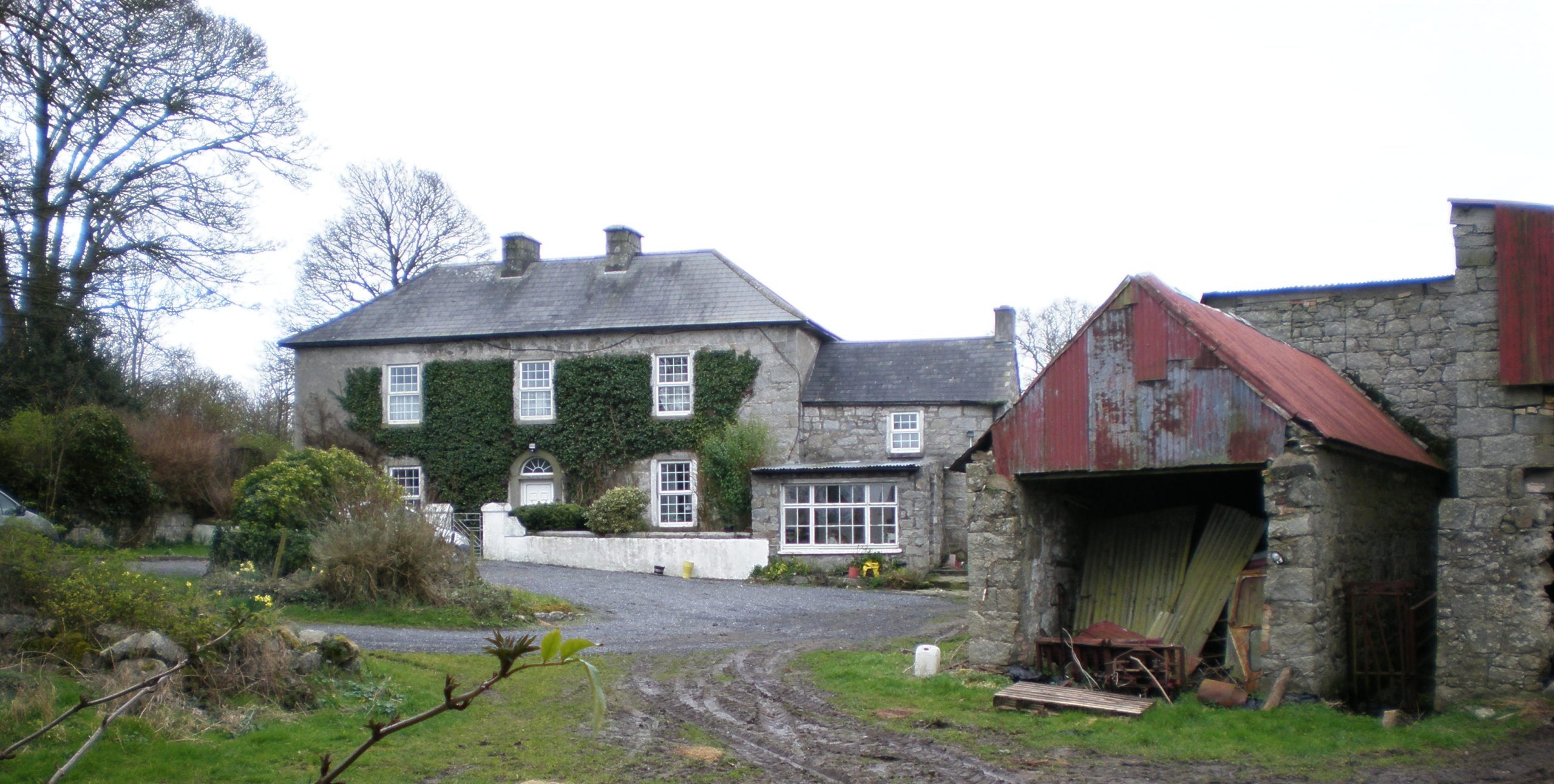 | Malone of Lisnavagh and Rathmore, County Carlow |
The story of Joseph Malone, agent at Lisnavagh in the early Victorian era, and the Malones of nearby Rathmore. |
 | The Charge of the Light Brigade, 1854 |
114 Irishmen rode out with the Light Brigade in their famous charge. Indeed, a third of the ‘British' soldiers who fought in the Crimean War are reckoned to have been Irish, including 7,000 who died. This article looks at the charge, and those manifold Irish connections. |
 | Notes on Seapoint, County Dublin |
Highlighting the Martello Tower, built to defend against Napoleon’s invasion, as well as the tragic back story of Moya Llewelyn Davies, the rivalry between Copper Face Jack and media mogul John Magee, plus Barry Fitzgerald, an acclaimed Irish actor, and Sir Nicholas Lawless, who built the enchanting Maretimo residence overlooking Dublin Bay. |
| General Thomas Bunbury (1783-1857), Governor of St Lucia, Commander in Jamaica |
A controversial acting governor in St Lucia and Demerara, navigated the fraught transition from slavery through apprenticeship to emancipation, leaving a vivid paper trail of political conflict, scandal, family drama and Caribbean–imperial entanglements… |
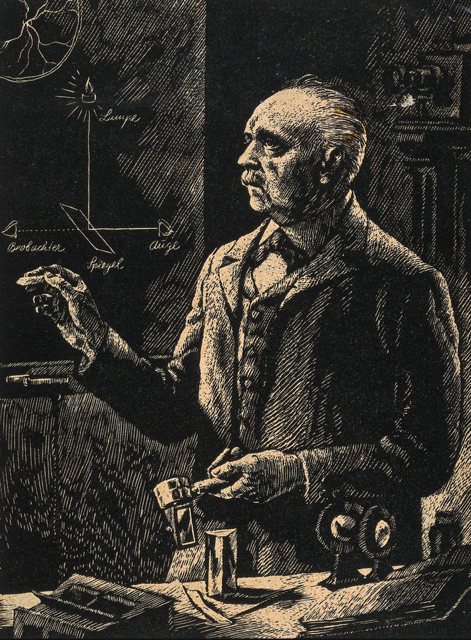 | An 1847 Scientific Revolution – Helmholtz & the First Law of Thermodynamics |
In 1847, 26-year-old Hermann von Helmholtz presented his groundbreaking energy conservation principle to the Berlin Physical Society, formulating the first law of thermodynamics and demolishing vitalism through muscle metabolism experiments. |
 | County Kilkenny – Choose a Topic | Choose from these topics for stories of people, families, events and places connected to County Kilkenny’s past. |
 | Theobald Walter – Founding Father of the Butler Family |
Almost every Butler on Planet Earth traces their lineage to Theobald Walter, an Anglo-Norman knight who arrived in Ireland in 1185 in the retinue of Prince John, Lord of Ireland. This page looks at his ancestry, and the first five Chief Butlers of Ireland, plus their connection to Arklow, the Viscounts Dunboyne, and Edmund Butler, Earl of Carrick, father of the first Earl of Ormonde. |
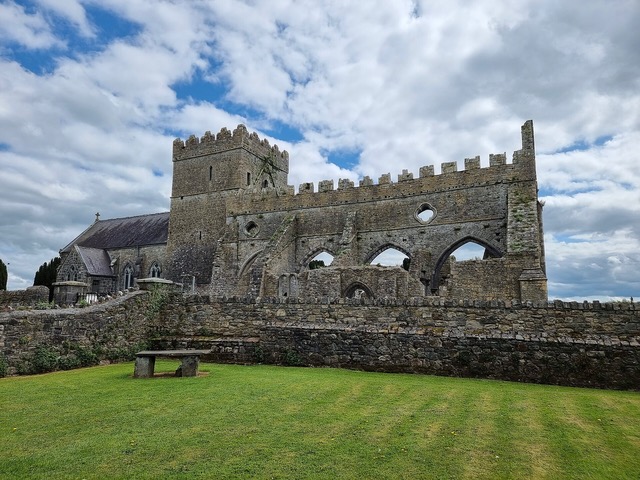 | Edmund Butler, Earl of Carrick (c. 1278-1321) |
A younger son becomes chief butler and justiciar of Ireland, marries into the FitzGeralds, fights Bruce, shapes Gowran and Tullow, undertakes a perilous Compostela pilgrimage, dies in London, and leaves a legacy of Ormond earls and a narrowly-missed Mortimer catastrophe. |
| Unidentified Bunburys | There are innumerable Bunbury references at the brilliant Registry of Deeds Index Project Ireland … |
 | Notes on Tobinstown, County Carlow |
A working document about the townland south of Lisnavagh and east of Haroldstown, including Tobinstown School and the old pub. |
 | Bartholomew Mosse & the Rotunda |
Dr Mosse was one of 18th century Ireland’s most remarkable characters. His principle legacy was Dublin’s Rotunda Hospital, the first purpose-built maternity hospital in the world. A man of exceptional compassion, he had an immense gift for fund-raising and may be considered a pioneer of corporate entertainment. |
 | Clergy who have Served in Rathvilly and Kiltegan by Monsignor John McEvoy | AP: Assistant Priest. CC: Curate. PP: Parish Priest Parish Priests Years Native of Born Ordained … |
 | Colonel Kane Bunbury (1777-1874) & the Kane-Smith Family of Moyle and Rathmore, County Carlow |
Dismissed from the British Army after a court martial in 1823, Kane moved to Moyle, Kellistown, County Carlow, where he became one of Ireland’s principal cattle breeders. From 1865 until his death aged 97 in 1874, he lived at Rathmore Park, also in Carlow. Although he died unmarried, it seems that Colonel Bunbury did not die without issue: hence, the Kane Smith. Also into this colourful mix can be added Willie Wilde, brother of Oscar, and Vera, Countess of Rosslyn, as well as the late architect, Jeremy Williams. |
 | Clonmore Castle, County Carlow |
A potted history of a fabulous ruin in north-east County Carlow, with its link to one of the combatants at the battle of Bannockburn. |
 | Butler’s Grange, County Carlow | Click here for other stories about County Carlow places such as Tobinstown, Killerrig and Clonmore. … |
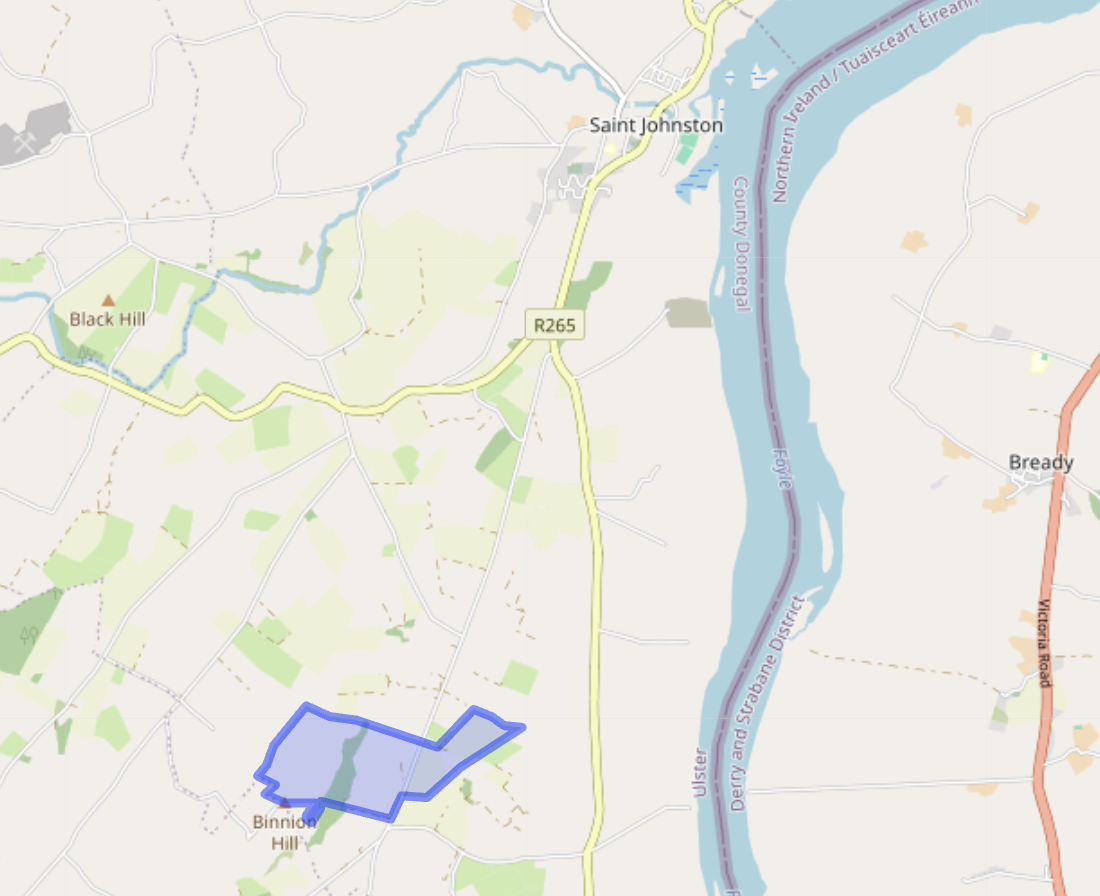 | McClintock of Creatland, County Donegal |
See here for full contents of the McClintock family history Creatland, by Binnion Hill, … |
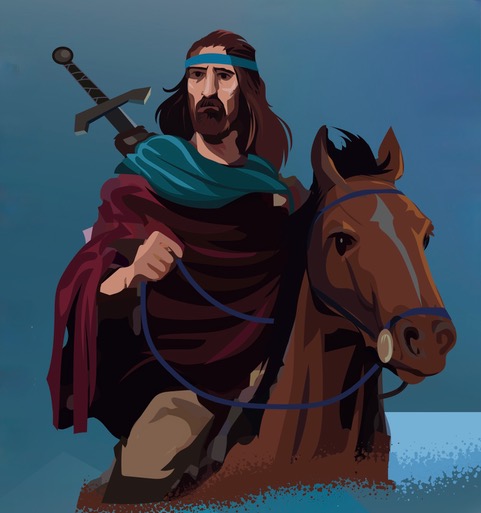 | Notes on Stratford-on-Slaney, County Wicklow |
Stratford-on-Slaney’s history features King Brandubh’s victory at Dún Bolg, the celebrated actress Romola Tynte, and Thomas Donohoe, pioneer of Brazilian football. St John’s Church served local tradition, while the Aldborough Papers document the Stratford family’s political affairs. Corporal Thomas Devine’s death at the Somme highlights the village’s wider historical connections. |
| The Marian Cult: Dundry Stone and A New Wave of Irish Churches in 13th Century Ireland |
From the 12th to early 13th century, a surge in Marian devotion coincided with the arrival of Early Gothic architecture in Ireland, strongly influenced by Wells Cathedral. Anglo‑Norman patrons, aided by west‑country masons and vast imports of Dundry stone, created ambitious churches at New Ross, Kilkenny, Duiske, Dunbrody and Athassel, with early Gothic additions at Christ Church, Dublin. |
 | The Paget Family & the Marquess of Anglesey |
During the 1820s, William McClintock Bunbury sailed around the coast of South America as 1st Lieutenant on board HMS Samarang to Captain Charles Paget (1806-1845), nephew of the 1st Marquess of Anglessy. Also on board was young Leopold McClintock, the future explorer, whose sister was to become Captain Paget's second wife. |
 | George IV’s Royal Visit to Ireland, 1821 |
In 1821, when the new king commenced an 18-day visit to Ireland, the scandal-mongers of London homed in on the new leading light in His Majesty’s bedchamber – Elizabeth, Lady Conyngham, the chatelaine of Slane Castle, County Meath. |
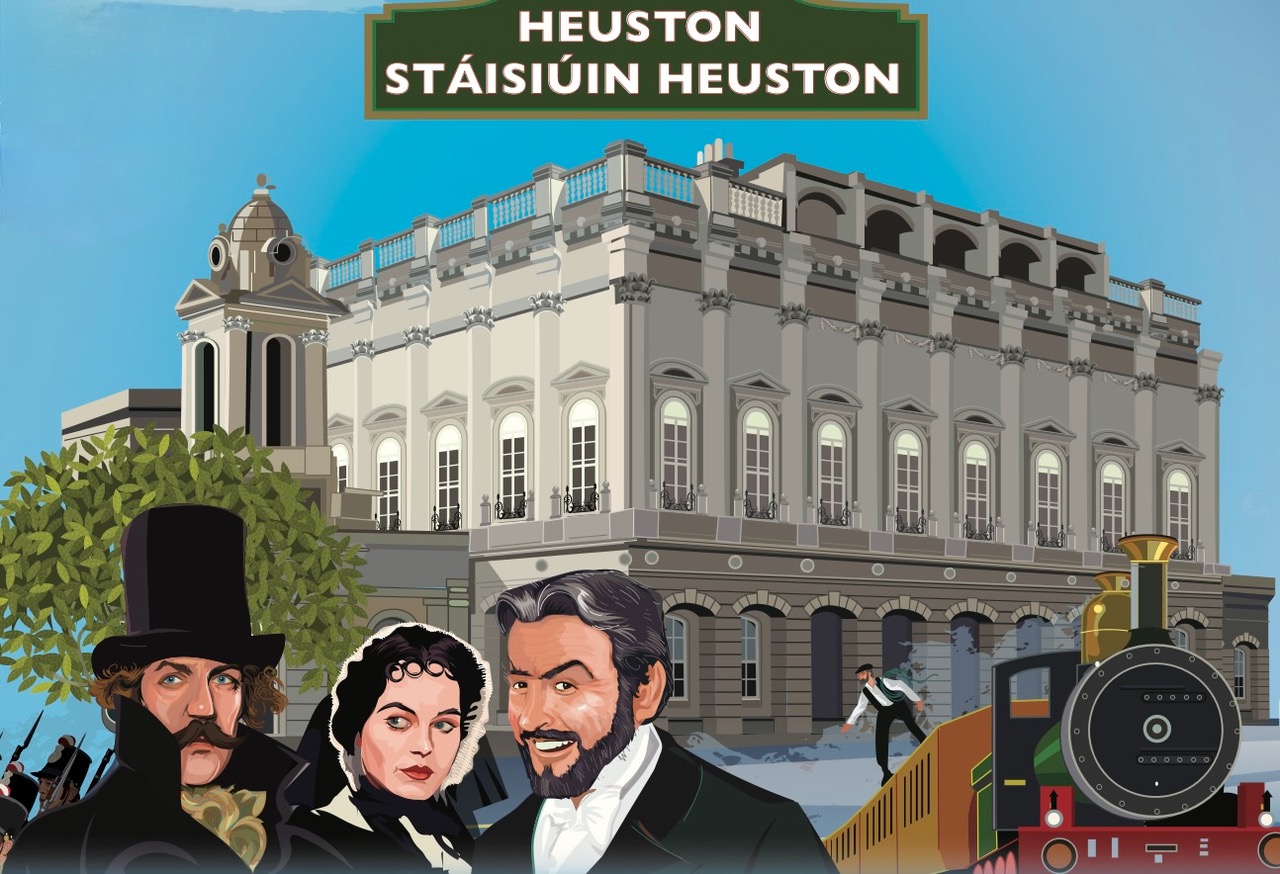 | Notes on Heuston Station & Kilmainham, Dublin |
Looking at stories of Captain Seán Heuston, St Maighneann, Oliver St John Gogarty, Grizelda Steevens, who founded a hospital, and Prior Keating’s defiance, alongside events like the Crimean Banquet and the Phoenix Park Tunnel. |
 | Notes on Gowran, County Kilkenny |
See here for more stories of County Kilkenny. Origins and Landscape ‘Gabhrán, anciently … |
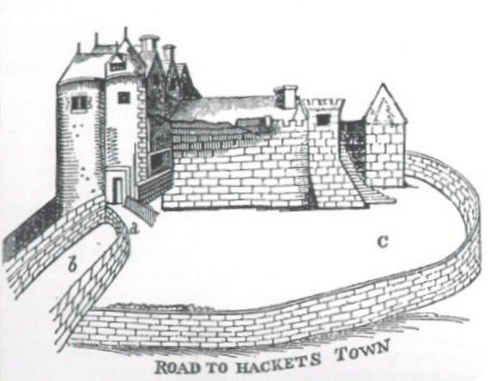 | Notes on Tullow, County Carlow |
See also: Book Launch: ‘Tullow Through the Ages’ (2025) by Christopher McQuinn Crosslow … |
| Protected: Padraig Pearse’s Order – ‘Q Ballfyin, 23rd 7pm’ | There is no excerpt because this is a protected post. | |
 | Beresford of Curraghmore – Marquess of Waterford |
The story of a family from Staffordshire in England who prospered in Ireland in the wake of King William's victory at the Boyne, marrying the heiress of wealthy Power family and acquiring the titles of the Earl of Tyrone and Marquess of Waterford. Also told here is the story of Lord William Beresford and Edmund O'Toole, who won Victoria Crosses after an especially close call during the Anglo-Zulu War. |
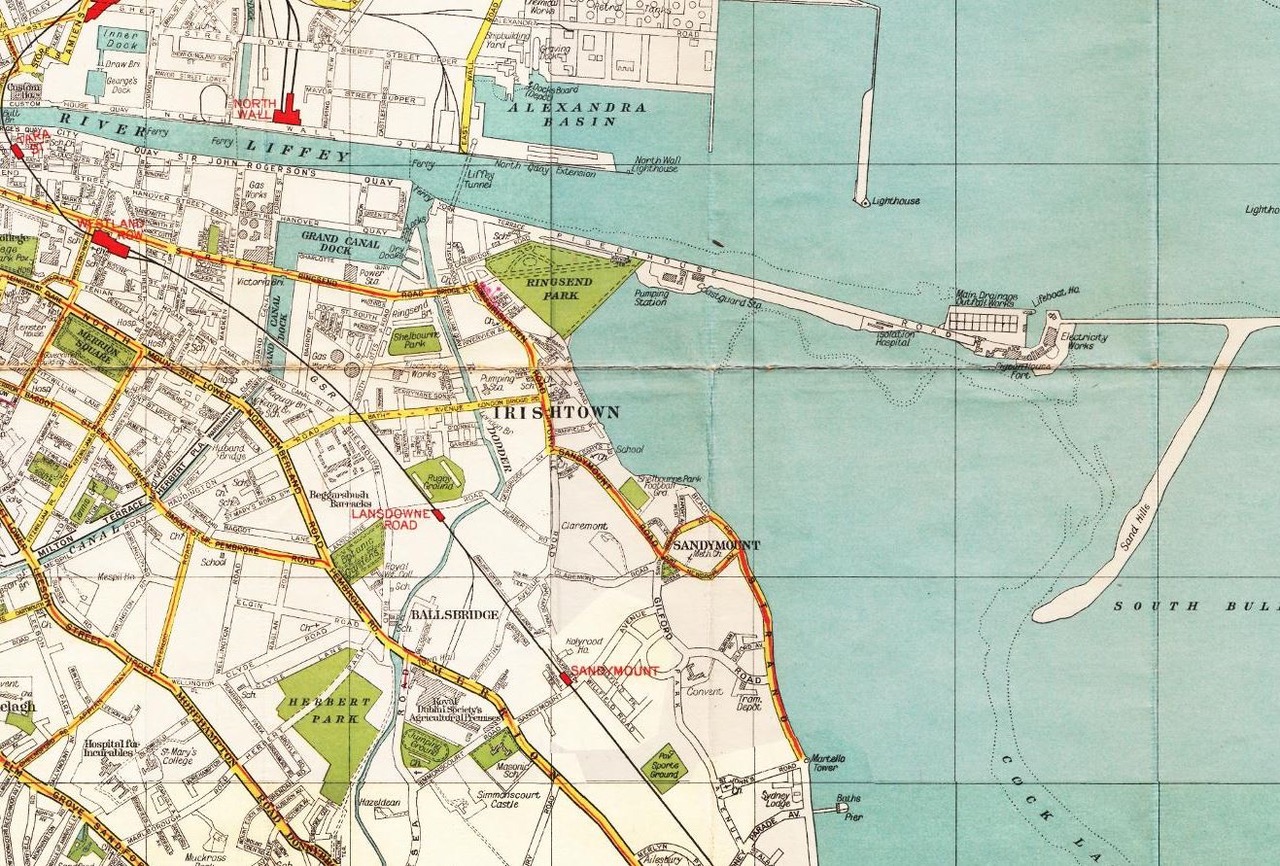 | Ringsend & Irishtown, Dublin |
See here for more historical stories from Dublin Ringsend has always been a place … |
 | County Tyrone – Choose a Topic | Choose from these topics for stories of people, families, events and places connected to County Tyrone’s past. |
 | Peadar McGee (1943-2022) – GAA Handball Champion |
The story of one of Ireland’s greatest ever handballers, and how he earned 17 senior All-Ireland titles prior to blowing off part of his hand with a shotgun. |
 | Notes on Kishoge, Ballyowen, Clonburris, Grange and Balgaddy, County Dublin |
Highlighting figures like St. Cuthbert, Jim Gavin, and Archbishop John Joseph Lynch, as well as landmarks such as Balgaddy, Kishoge, Ballyowen Castle, and Grange Castle, alongside archaeological findings and local traditions. |
 | The Alexanders, Earls of Caledon |
The Alexander family emigrated from Scotland to Ireland with the plantations of the early 17th century and prospered as merchants in Limavady, Londonderry and Dublin. The most successful family members was James Alexander, who made his fortune as a nabob of the East India Company in India in the 1770s and became the 1st Earl of Caledon. Other descendants include Field Marshal Alexander of Tunis, a Primate of All-Ireland and the milling Alexanders of Milford, County Carlow. |
| Crosbie of Abbeydorney (Limerick), Viewmount (Carlow) & Crosbie Park (Wicklow) |
The Crosbie family descended from a once powerful Catholic dynasty whose influence waned during the religious troubles of the 17th century. Its best known members include Sir Edward Crosbie, executed for treason after the 1798 Rebellion, and his younger brother, Richard Crosbie, who became a household name across Britain and Ireland after his pioneering journey in a hot air balloon from Ranelagh to Clontarf in the summer of 1785. |
 | The Hon. Jack Bunbury (1851-1893) | Thought to be the inspiration behind Oscar Wilde’s famous ‘Bunbury’, Jack Bunbury was a remarkable oarsman who won many trophies for Eton and Oxford. He also enjoyed acting, not least during his service with the Royal Scots Greys in the 1870s. His life spiralled when he was caught up in the Land Wars, after which he moved to England. The death of his only son, aged 11, in 1892 was followed by his own premature demise a year later. This account also looks at his wife Myra, of the famous Watson hunting dynasty, and her second husband, Baron Max de Tuyll. |
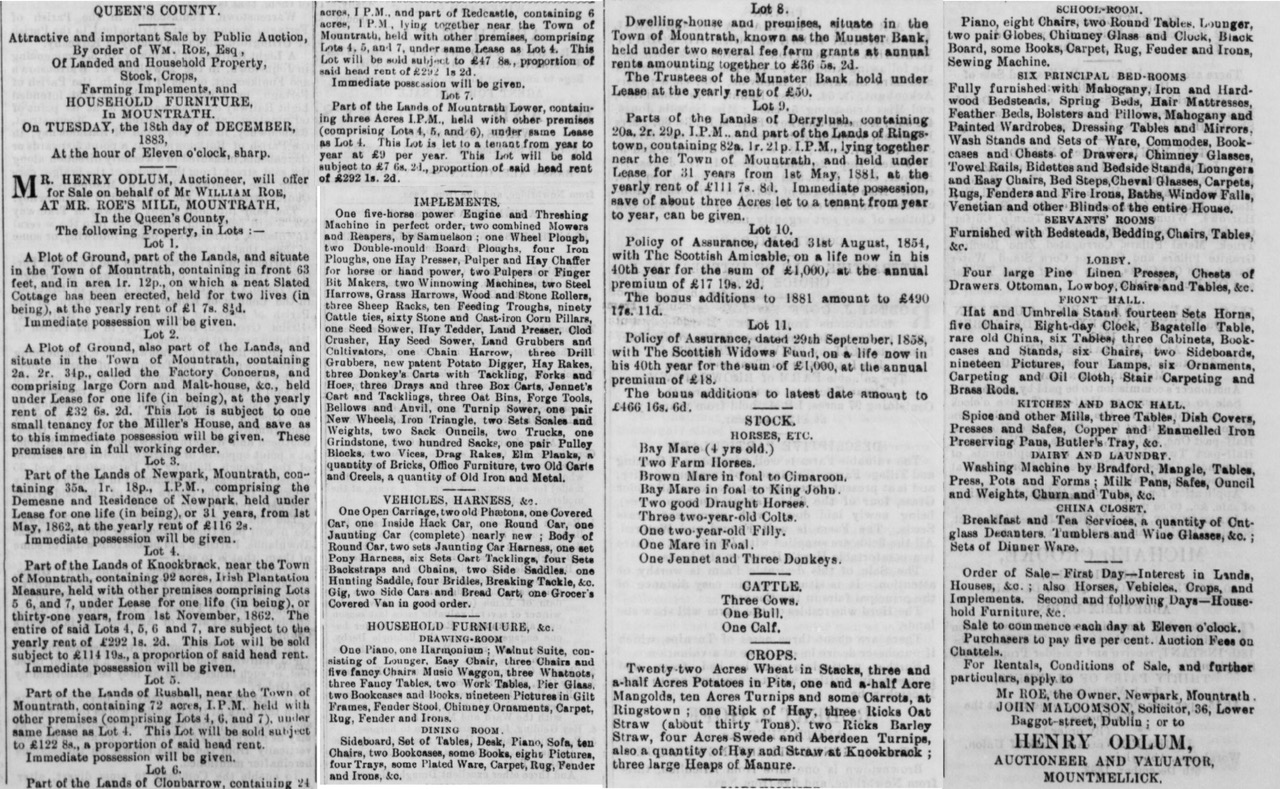 | Roe of Laois and Tipperary |
This my foolhardy attempt to make sense of the Roe family, one of the more complicated families I have come across in terms of untangling who was who. My focus is primarily on the branch who settled in the Mountrath area of County Laois. However, this means I have tumbled into a rabbit warren pursuing Roe branches across Laois at Woodbrook, New Park, Millbank, Middlemount and Beckfield, etc., and across the Tipperary border to Derrymore, Loran Park, Rockwell and Ballykelly. |
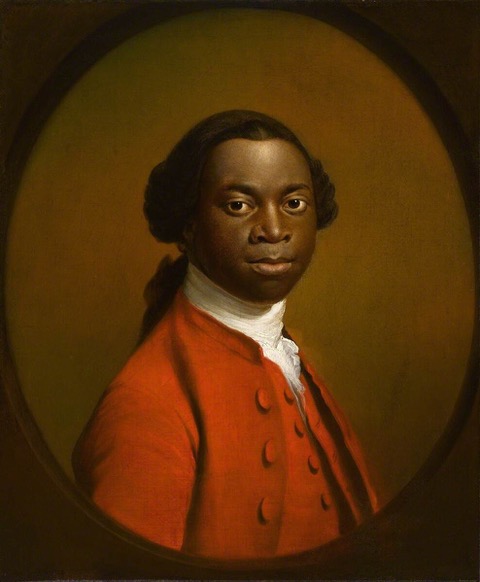 | Olaudah Equiano (Gustavus Vassa) in Ireland, 1791 |
Born in present-day Nigeria, Olaudah Equiano (c. 1745–1797), aka Gustavus Vassa, was one of the first black abolitionists to visit Ireland, calling in at Dublin, Cork, Belfast and ‘many [other] counties …. I was every where exceedingly well treated by persons of all ranks.' |
 | The River Nore & the Nore Navigation |
The beautiful Nore flows from Devil’s Bit to Waterford Harbour, its medieval trade, failed canal dreams and scarce pearl mussels echoing through Kilkenny, Bennettsbridge, Thomastown and Inistioge. |
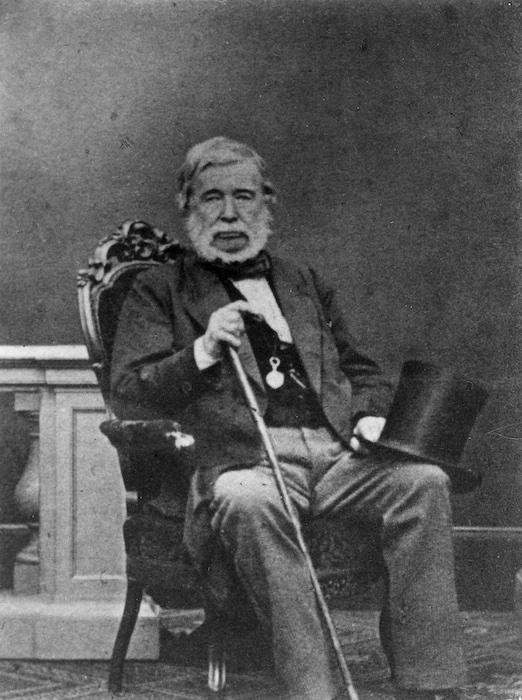 | Major Thomas Bunbury (1791-1861) & the Treaty of Waitangi – Envoy Extraordinary |
A remarkable army officers who made a particular impact in New Zealand, where he persuaded 27 Māori chiefs to sign the Treaty of Waitangi and proclaimed British sovereignty over Stewart Island and South Island. Regarded as St. Helier's first farmer and Auckland's first military commander, he was also Commandant of the Norfolk Island penal colony. |
 | Reflections on Elizabeth Bowen (1899-1973) | The author of ten novels and over 100 short stories, Elizabeth Bowen was one of the most remarkable writers of her generation. She was also my grandmother's first cousin and, arguably, best friend. I once found her CBE in my sock drawer and my mother inherited her typewriter. This is an account of her life, and her many loves, which I add to as new reflections strike me. |
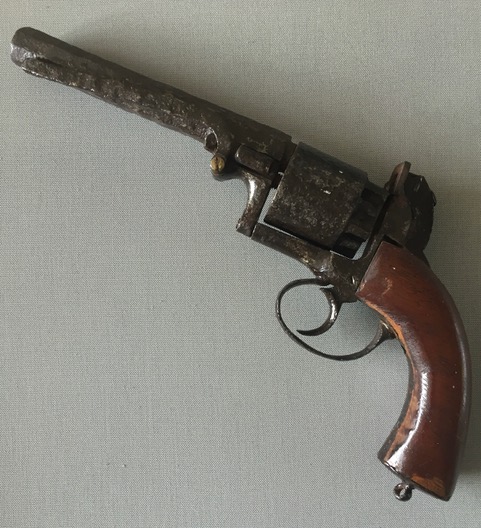 | Murder in Roscommon – The Assassinations of the Rev. John Lloyd and Major McMahon, 1847 |
See here for more stories of 1847 ***** Elphin, County Roscommon, Ireland … |
 | Notes on Bray, County Wicklow |
Highlights include Edward Breslin (hotelier and influential citizen), Father O’Flanagan (inventor and priest), Joshua Pim (Wimbledon champion), Cearbhall Ó Dálaigh (fifth president of Ireland), and Jim Hand (Arctic explorer). |
 | Notes on Kilcock, County Kildare |
John Huston at Courtown House. Illustration: Derry Dillon. Hollywood Royals Courtown House, just south-west … |
 | Notes on Enfield, Rathcore and Johnstown Bridge, County Meath |
See also Notes on Kilcock. The High King’s Rendezvous Rathcore Golf Club, north … |
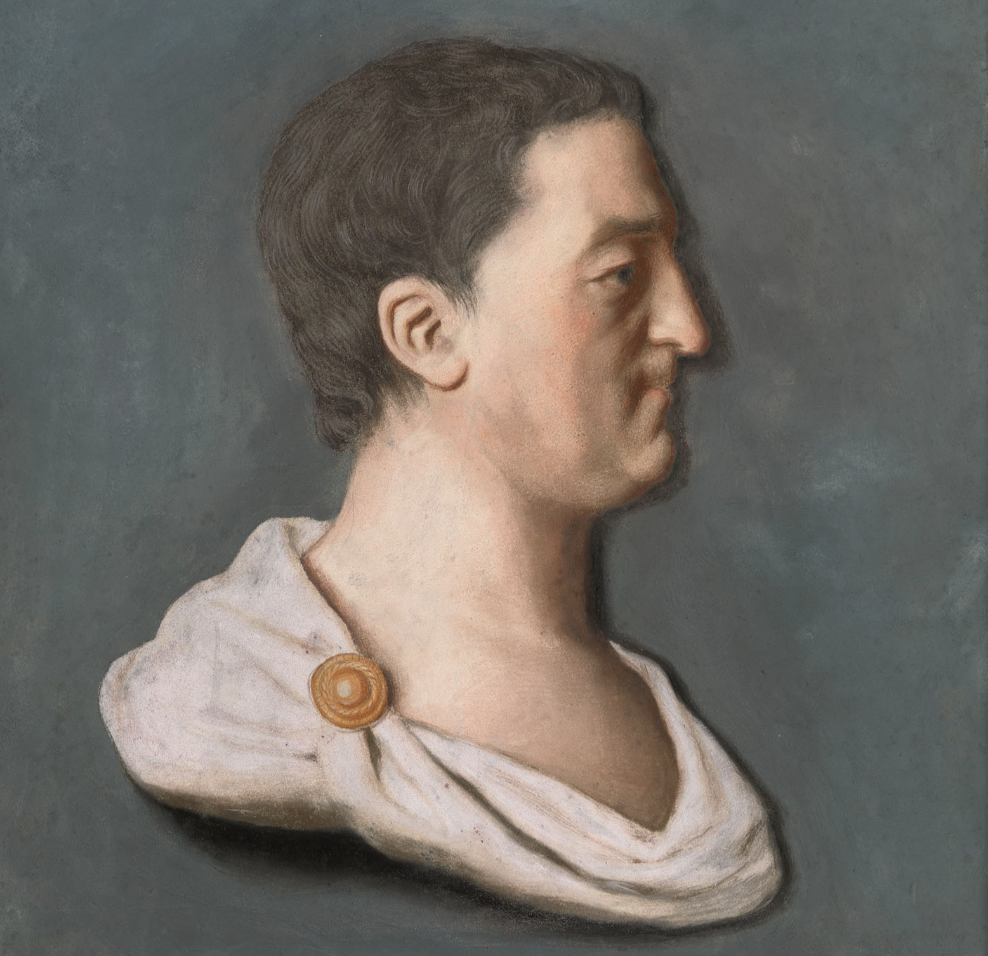 | Ponsonby, Earls of Bessborough, County Kilkenny & Bishopscourt, County Kildare |
The rise, fall and rise of the Ponsonby family during the 18th century when one became Speaker of the Irish House of Commons, their rivalry with the Boyle family, and the intermediary role played by the Cavendish family, Dukes of Devonshire. |
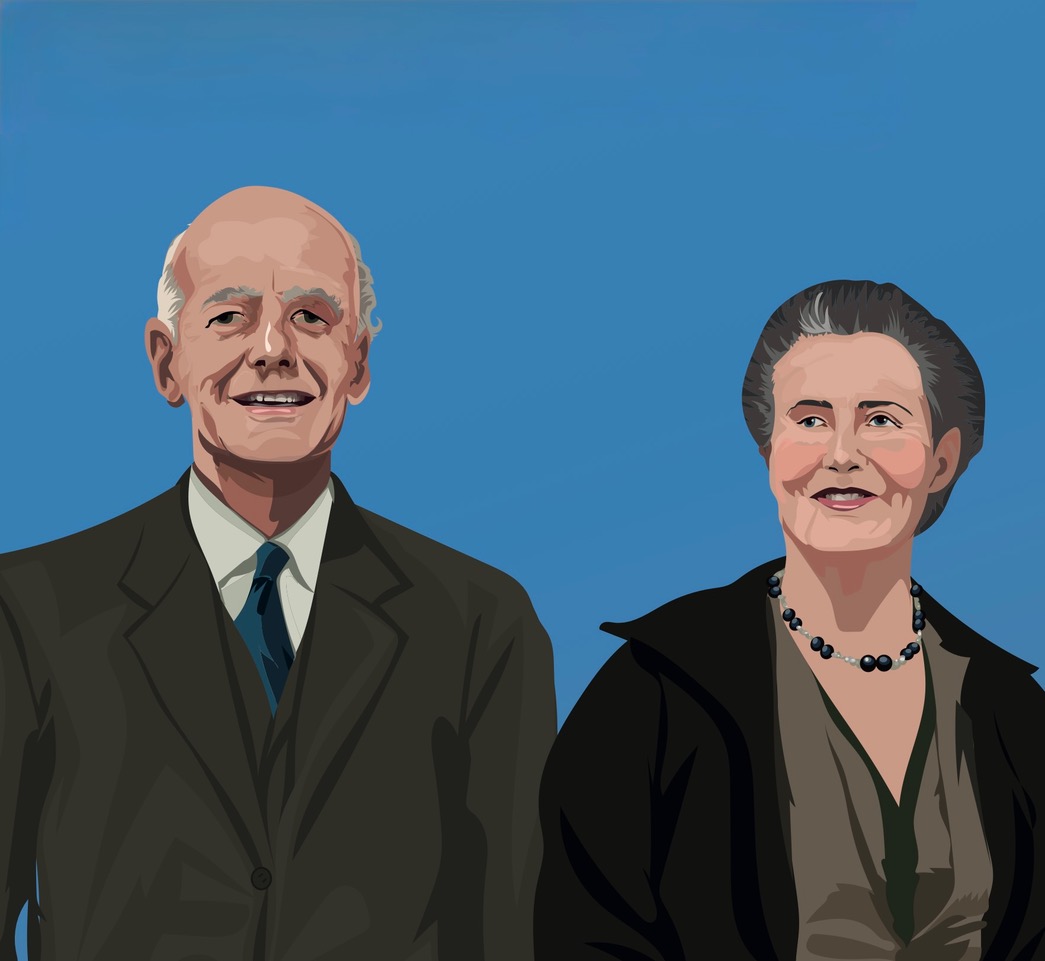 | Hubert and Peggy Butler – An Intrepid Partnership |
From a thwarted Soviet honeymoon to rescuing Jews in Vienna and defying a papal nuncio, Hubert and Peggy Butler’s quiet Kilkenny life of gardening, art and essays left a far louder mark than their modest manners suggested. |
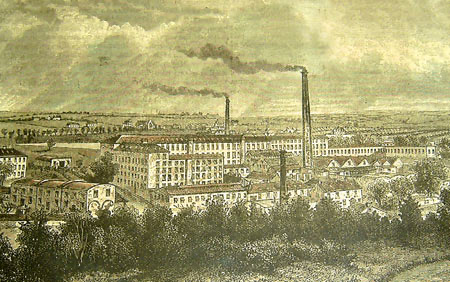 | The Wakefields & Christys of County Down |
This family history is a spin-off from the story of the Fennells of Burtown House, … |
 | The Orange Pole Incident, Mountmellick, County Laois, 1825 |
A double‑sided tin plate of King George IV and William of Orange once crowned Mountmellick’s Market House, rallying Orangemen each 12 July until priests, boycotts and magistrates finally brought the pole – and its pageantry – down |
 | St Fintan of Clonenagh, Patron Saint of County Laois |
Ascetic saints, Viking raiders and a vanished manuscript collide at Clonenagh, where St Fintan’s strict monastery once drew students from across Europe. Follow the trail from a poisoned “Money Tree” to the burning library at Ballyfin House and the still‑missing Book of Clonenagh. |
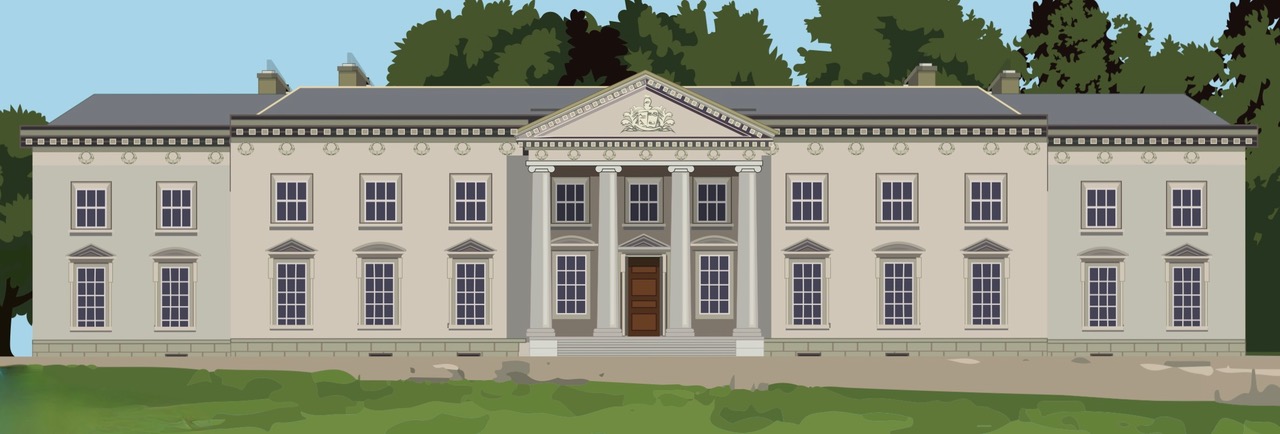 | A History of Ballyfin House, Co. Laois, Ireland |
Consistently ranked among the world’s top resorts, Ballyfin’s history reaches back to an age when the O’More chieftains dominated the surrounding lands. Its story encompasses multiple families – Crosbie, Pole, Coote and Wellesley – with Iron Dukes, bounders and heiresses in the mix, as well as its tenure as a Patrician school and its remarkable restoration in the present century. In 2024, it was voted the No. 1 Resort in Ireland & UK by Travel + Leisure Readers. |
 | Daniel Byrne, Cromwell’s Tailor |
The story of the Dublin-based tailor who created the uniform for Cromwell's New Model Army; the ‘redcoat’ would become one of the most emblematic sights of the British Empire. |
 | Notes on Captain Cook |
In the 18th century, Captain James Cook mapped vast areas of the Pacific, including the full coasts of New Zealand and eastern Australia, disproving the myth of a large southern continent and greatly expanding European geographic knowledge. |
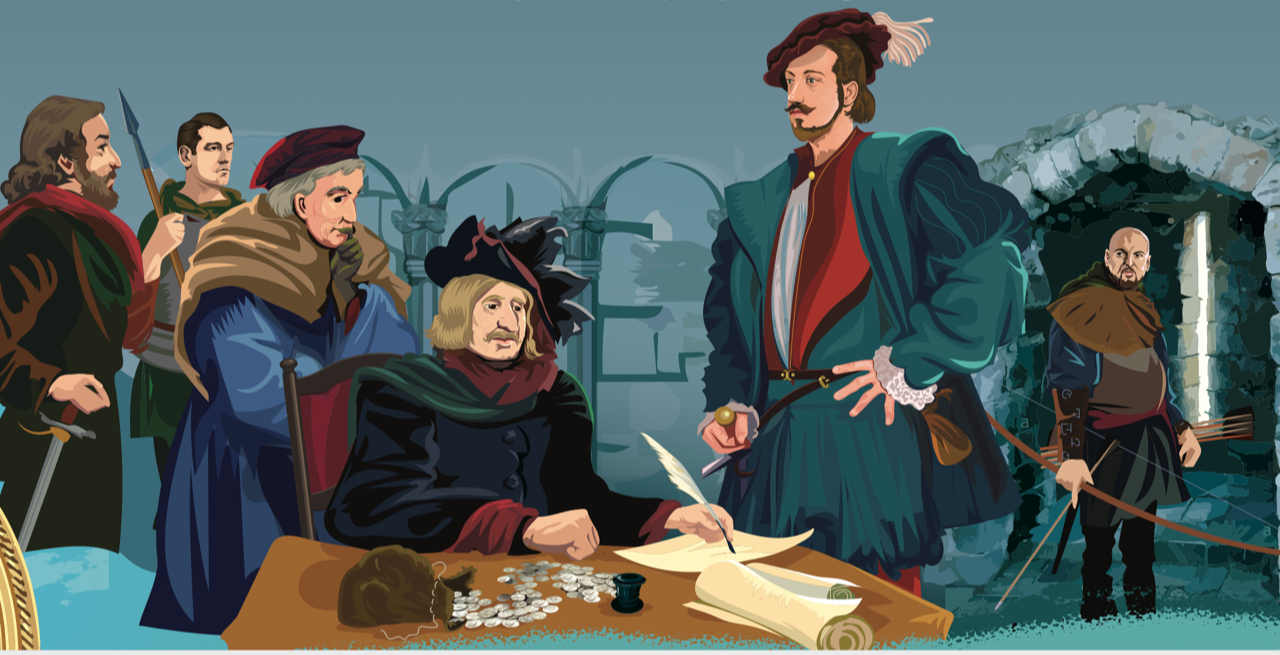 | Prince Lionel of Antwerp Comes to Carlow (1361-1367) |
In 1361, Prince Lionel, second son of King Edward III of England, took office as Governor of Ireland. He relocated the Exchequer and Court of Common Pleas to Carlow Castle and enacted the Statutes of Kilkenny before his death aged 29, having allegedly been poisoned by his Italian father-in-law. |
 | Butler Gallery, Kilkenny |
The duty of the arts to bring inspiration and good cheer to the people. Re-ppened in a new venue in 2020, Butler Gallery in Kilkenny is the biggest addition to rural Ireland’s cultural portfolio in recent times. The gallery is named for Peggy Butler, whose husband Hubert Butler is the subject of the Netflix documentary ‘Witness to the Future’. In 2021, Butler Gallery was awarded a prestigious Architecture MasterPrize in the Restoration + Renovation category for the work undertaken by McCullough Mulvin Architects. |
 | Noah's Granddaughter & the Irish Salmon of Knowledge |
A consideration of Ireland's 11th century ‘Book of Invasions’ with its stories of Noah's granddaughter, the Formorians, the Tuatha de Danaan, Partholón and the Milesians … and whether or not it is all codswallop. |
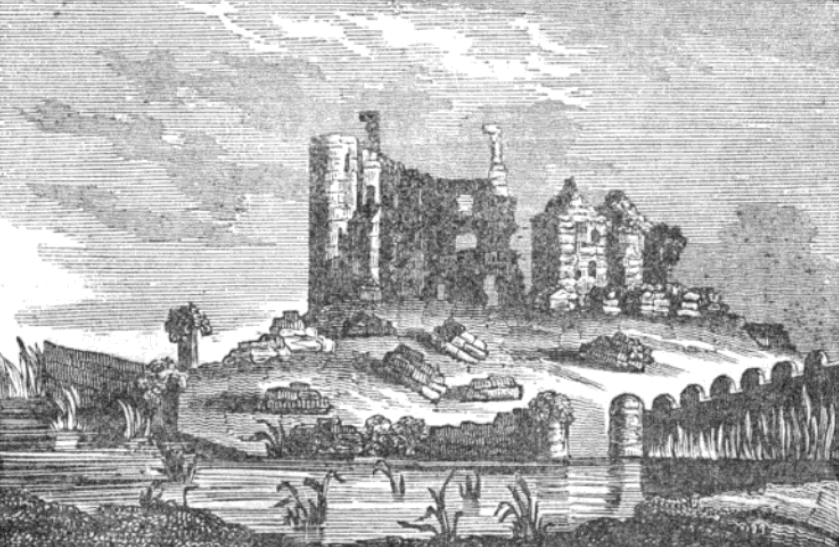 | Lea Castle, County Laois |
Lea Castle’s story runs from its medieval founding on the River Barrow frontier through Gaelic resistance, Tudor conquest and Cromwell’s 1650 bombardment; a surviving cast‑iron cannonball embodies this violent siege and the castle’s later decline into romantic ruin. |
 | The Siege of Castlecuffe, County Laoise |
The following was kindly transcribed by Máirtín D’Alton from Seosamh MacCába’s book, ‘Dúthaí Uí Ríagáin’ … |
 | Admiral Sir Leopold McClintock & His Family |
An especially accomplished branch of the family, descended from Harry McClintock, Collector of Customs at Dundalk port and uncle of the first Lord Rathdonnell. Harry's son Leopold would find lasting fame as the man who discovered the fate of Sir John Franklin's Arctic expedition, while another son Alfred became Master of the Rotunda. Leopold's children included a naval veteran of Gallipoli, a Royal irish Constable and a New Zealand emigrant, while his grandson was one of the great keepers of Irish language literature. |
 | McClintock of Kilwarlin, County Down & Glendaragh, County Antrim | See here for full contents of the McClintock family files. Major Stanley McClintock (1812-1898), JP … |
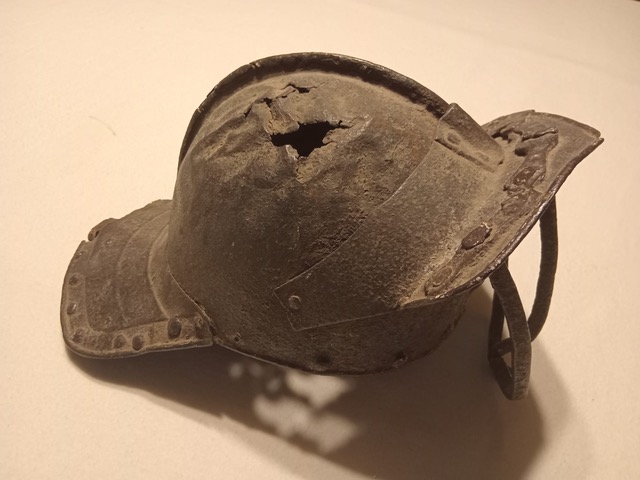 | Cosby of Stradbally, County Laois |
Tracing the Cosby family from their English origins to their emergence as major Tudor-era planters in County Laois, charting Francis Cosby’s military career, conflicts with the O’Mores, massacres and ambushes, and the long-running feud that shaped Stradbally’s landscape. |
 | Carlow Castle: Rise & Fall |
A detailed history of Carlow Castle from its construction by the Normans over 800 years ago through to the present day, co-starring Prince Lionel of Antwerp and the extraordinary doctor who accidentally blew most of the building apart in 1814. |
 | Chaigneau of Corkagh & Youghal |
The story of a Calvinist Protestant (or Huguenot) dynasty from France who relocated to Ireland in the 17th century. Louis Chaigneau, a wealthy Dublin wine and property merchant, built Corkagh House in Dublin, as well as properties in Gowran, County Kilkenny. Also looking at connections to Wolfe Tone, the actress Peg Woffington and a well-connected army agent. |
 | Musings on St Canice’s Cathedral, Kilkenny City |
From family weddings and childhood games among the gravestones to whiskey launches, lectures and confirmations, St Canice’s has been a constant in my life – a stage where Kilkenny’s medieval past and my private world keep intersecting in unexpected ways. |
 | Wall (Du Valle) of County Carlow |
From the time of the Anglo-Normans through until the end of the seventeenth century, a large swathe of land running east of Carlow town in Ireland was held by the Wall family. Much of this property was subsequently subsumed into the estates of the Bunbury and Burton family. The area has been home to humanity since ancient times – Johnstown, one of the Bunbury’s principal houses, is only a mile or so from the Browne’s Hill dolmen and boasted its own bullaun stone. |
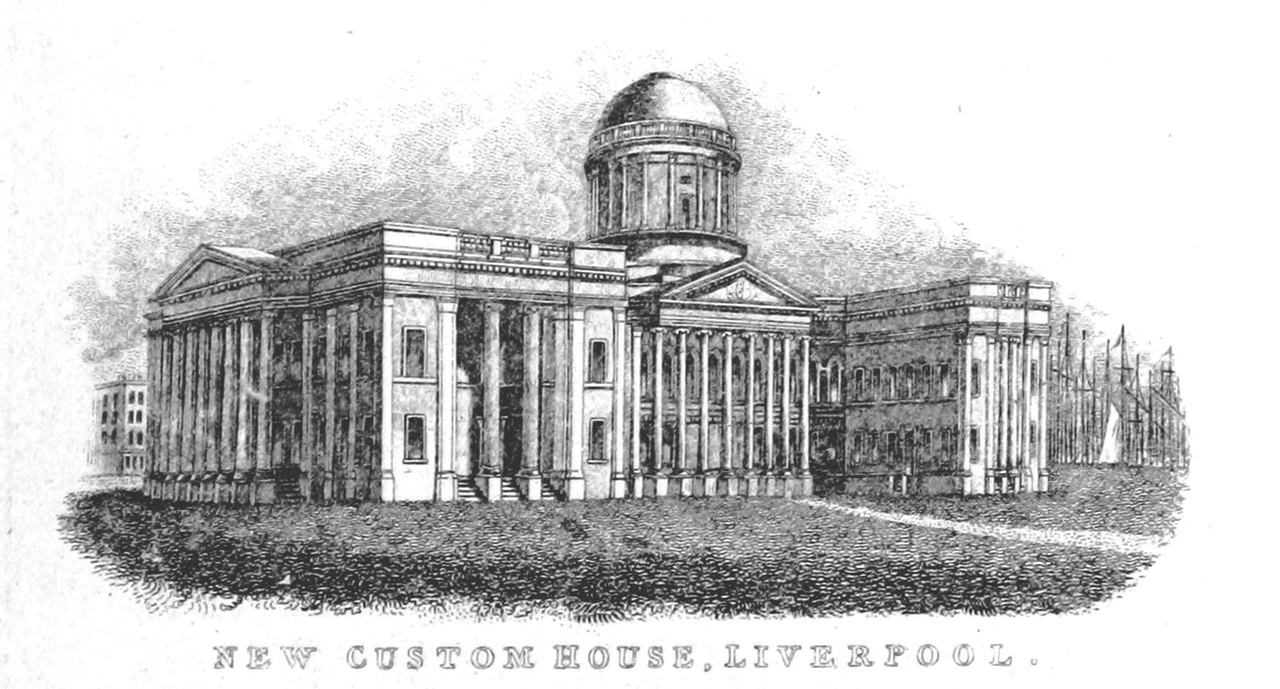 | Porter of Norfolk and Liverpool | Thomas Porter, a Norfolk-born soldier, served as quartermaster of the 20th Foot and survived the Battle of Minden. His son, Thomas Colley Porter, rose to become Mayor of Liverpool… |
 | Captain Whitfield Greenwell (c. 1690-1719) |
Captain Whitfield Greenwell of Corbridge and Elrington in Northumberland was the son of Nicholas Greenwell … |
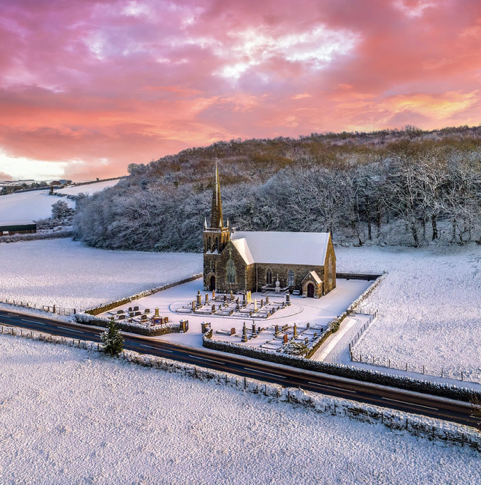 | McClintock Wray of Donegal, Antrim and Tyrone |
See here for the full index of McClintock Family stories. John Wray (1752-1833) … |
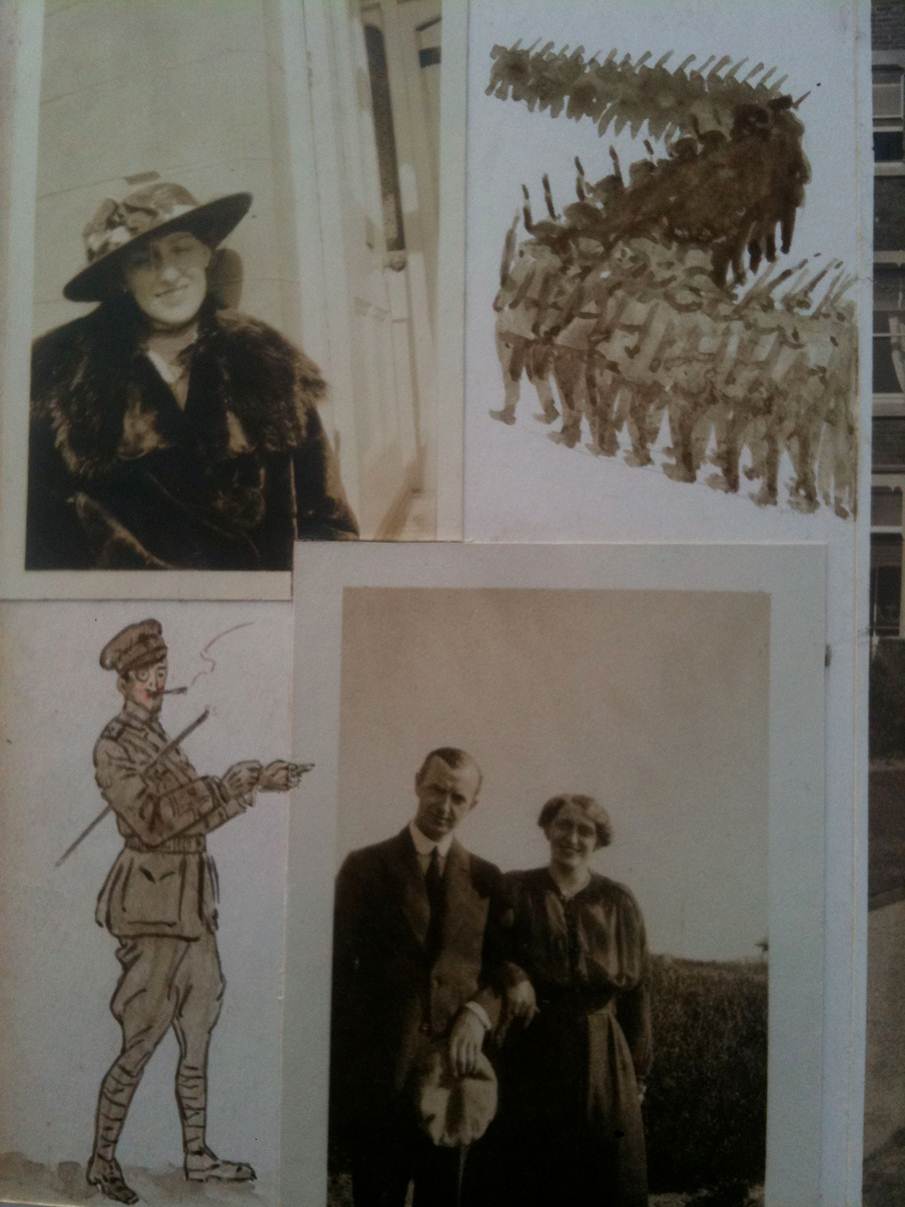 | Jack Drew (1881-1933), aka John Malcolm Drew, of Burnley, Lancashire |
Born in 1881 into the calico‑printing Drews of Burnley, our great‑grandfather Jack Drew was a Charterhouse boy who skied St Moritz, studied textile innovation in Germany and married the enigmatic “Woman in Black,” Sylvia Peart Robinson. Their five children, shifting houses and habits, knit the Drew story through mills, music, P&O steamers and two world wars. |
 | Diana Drew (1912-1978) – Maestro of the Lino-Cut | Educated at the Grosvenor School of Modern Art in London, Diana was a teenage prodigy whose works appeared at the successful British Lino-Cuts exhibitions in 1929, 1930 and 1931. A passionate yachtswoman and supporter of the Westmorland Tories, she became a Land Girl during the Second World War and devoted much of her time to looking after her mother, Sylvia Drew. |
 | Notes on Dalkey, County Dublin |
Accounts of the Dalkey hawks and the Atmospheric Railway, of Matt Damon, Tom Hanks, and Harry Styles, of the Kingdom of Dalkey, a gold rush and a woman who tried to kill Mussolini, of Flann O’Brien, Maeve Binchy, Gail Slater and the evolution of Sorrento Terrace, Vico Road and Monte Alverno, amongst other tales. |
 | Notes on Thomastown, County Kilkenny |
See here for more tales from County Kilkenny. ***** Anglo-Norman Founder Thomastown … |
 | Bertha’s Revenge | A two-time Guinness World Record-holder – the oldest and the most prolific cow ever recorded – Bertha passed away just three months short of her 49th birthday, being more than twice the lifespan of your average cow. This legendary Droimeann cow from Sneem, Co. Kerry, has been immortalised by an award-winning Irish gin. |
 | More O'Ferrall of Balyna, Enfield, Co. Kildare |
Descended from two great Catholic Irish families, the More O’Ferralls combined with the marriage in 1751 of the Balyna heiress Letitia O’More and the Dublin banker Richard Ferrall. During the 1840s, Sir Richard More O’Ferrall emerged as a great champions of religious toleration and independence. Balyna is an exclusive hotel near Enfield, County Kildare. |
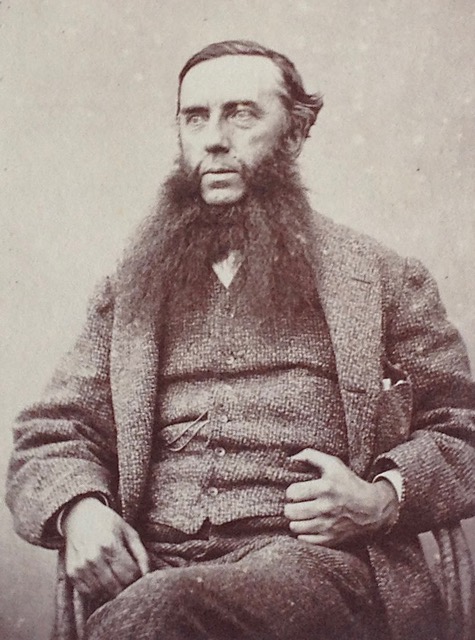 | Alexander Drew (1815–1899) of Dalmonach & Blairmore |
Born in Glasgow in 1815, calico‑printer Alexander Drew made his fortune at Dalmonach on the River Leven, then shifted operations to Lowerhouse, Burnley, with his three sons. A cultured, civic‑minded industrialist, he oversaw one of Scotland’s most advanced printworks before retiring in 1871.. |
 | Bunburys in the Medieval Age | Looking at the Bunbury family during the 100 Years War and the Wars of the Roses, including a timely sickie on the eve of Agincourt. |
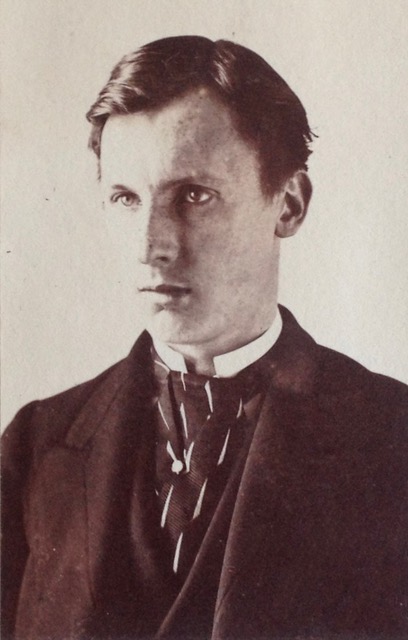 | Sandy Drew (1847–1936) of Holme Lodge, Burnley |
Alexander “Sandy” Drew (1847–1936), eldest surviving son of Alexander Drew of Dalmonach and Blairmore, helped run the family calico‑printing firm before founding his own textile company at Rainshore Mill, Rochdale. Based at Holme Lodge, Burnley, he and his wife Alice Ashworth raised one son and four daughters, their story mirroring the rise and eventual decline of Alexander Drew & Sons. |
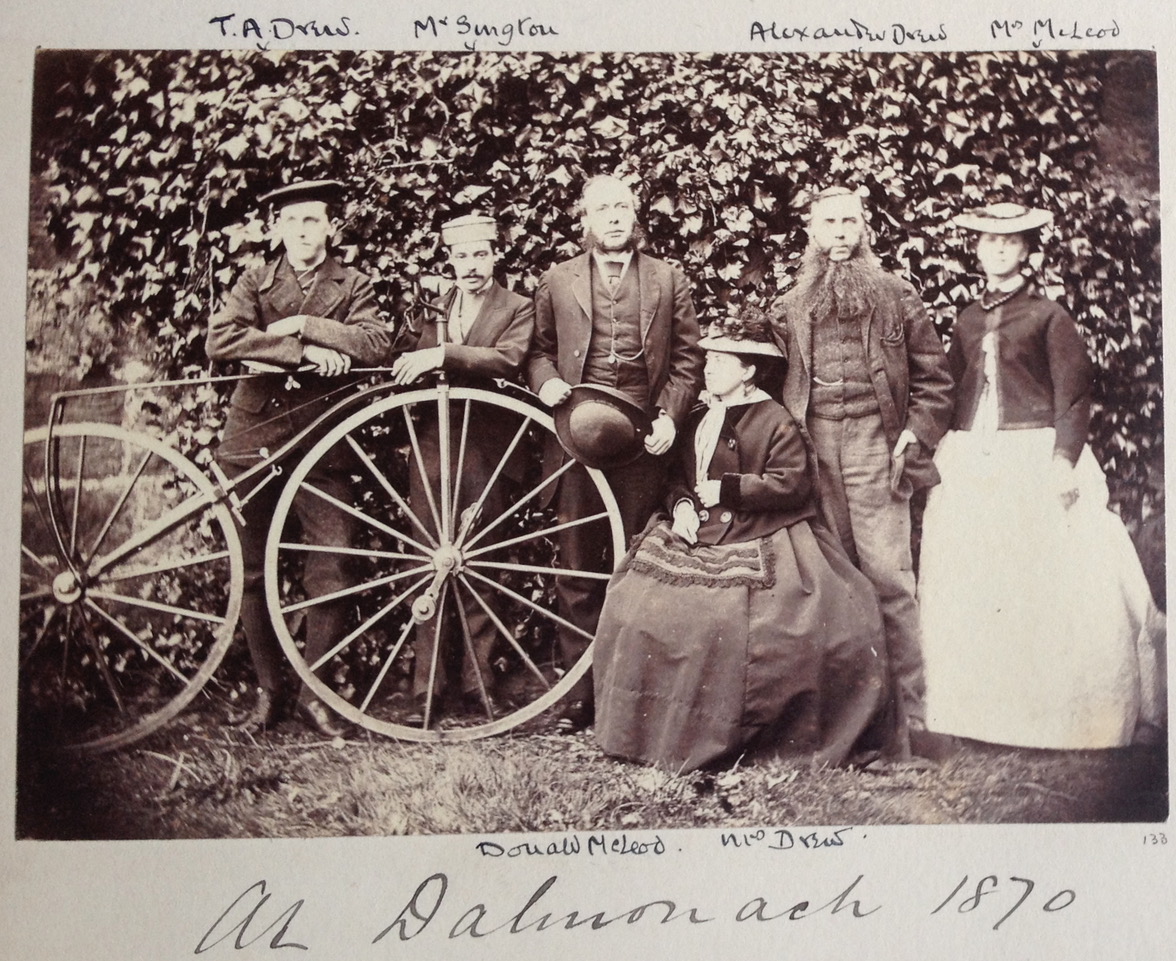 | Origins – The Drew Family of Glasgow, Scotland |
Beginning with a maltman named John Drew in 1577 and a later marriage to Bethia Hamilton, the family rose with Glasgow’s Atlantic trade, spread to colonial New Brunswick and Australia, and eventually linked into Scottish gentry, colonial judiciary and a bearded Victorian calico‑printer on Loch Lomond. |
 | Richardson-Bunbury of Augher Castle, County Tyrone |
Tracing the heirs of Benjamin Bunbury of Kilfeacle through his daughter Elizabeth, who married Captain St George Richardson; their descendants later styled themselves Richardson‑Bunbury and made their mark in Australia. |
| The Remarkable Albums of Sylvia Drew |
(This article appeared in The World of Interiors, September 2011) In my father’s childhood, the … | |
 | Jack Lonergan (1930-2020) – General Factotum of St Joseph’s Industrial School, County Tipperary |
An interview from the Vanishing Ireland archives with the man from Tickinor, County Tipperary who served as general maintenance man of St. Joseph’s Industrial School outside Clonmel. |
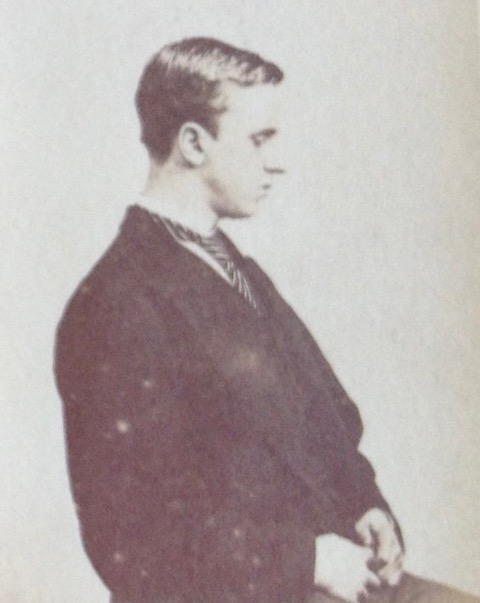 | Dan Drew (1850–1914) of Lowerhouse, Burnley, Lancashire |
See here for full contents of the Drew family Daniel Drew was the second … |
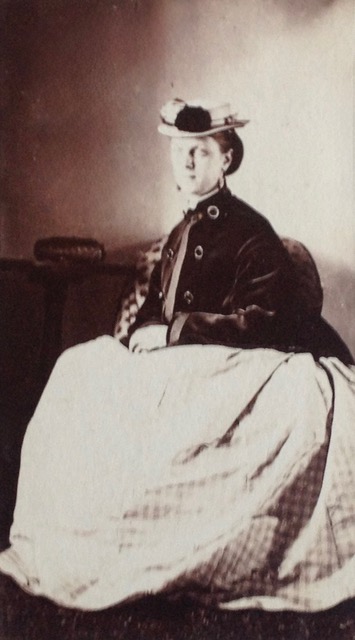 | Isabella Sloan (1848-1922), née Drew |
Isabella Drew, eldest daughter of Alexander Drew of Dalmonach and Blairmore, married Charles Tennant Sloan in 1874, founding a Sloan branch that intertwined with Odlum and Wood families. |
 | Rev. Alick McClintock (1775-1836) & the Tithe War |
Alick – or Alexander – McClintock was the second son of ‘Bumper Jack' M'Clintock, of Drumcar, M.P., and his wife Patience (née Foster). In 1831, while serving as Rector of Newtownbarry (now Bunclody) in County Wexford, he became deeply embroiled in the Tithe Wars when 12 people were killed during what became known as the Battle of the Pound. |
 | Notes on Dunboyne & Ratoath, County Meath |
Highlighting John Butler’s succession and the Dunboyne Scholarship, plus Count Richard Taaffe’s 1931 wedding, Herbie Brennan’s ghost sighting, Colonel Blood’s daring exploits, fashion designer Patricia Crowley, political figures Joe and John Bruton, the patriot priest Patrick Lavelle, GAA legend Seán Boylan, and entomologist Alexander John Nicholson. |
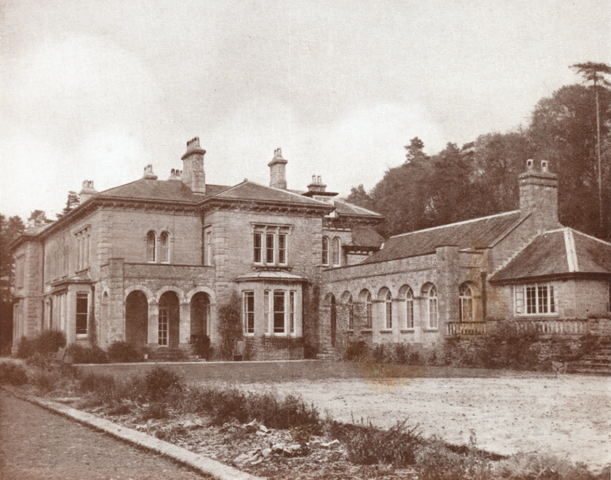 | Eversley, Heversham, Cumbria |
Eversley is a mid‑Victorian limestone country house near Milnthorpe in south Cumbria, once in old Westmorland, looking across the Kent estuary to the Lakeland fells. Built in the 1850s for cotton merchant Frank Atkinson Argles, it later became the Drew family home and, after the Second World War, the Wakefields’ residence. |
| The Drew Family – Contents | Origins: The Drew family of Glasgow Joseph Drew (1742-1808) of Glasgow and North America Alexander … | |
 | The Normans on the Irish Waterways |
Within 30 years of their arrival in Ireland, the Normans had built a network of castles along the River Barrow and were making moves to do the same up the River Shannon. At their peak, they would establish motte and bailey fortresses as far north as Clones and Lough Erne. |
 | Father Patrick Lavelle (1825-1861) – The Patriot Priest of Partry. |
The story of a courageous and fiery priest from County Mayo who sought to end landlordism, evictions and evangelical conversion of Catholic children in the 19th century and who was alleged to have stolen the famous Cross of Cong, one of Europe’s most valuable treasures. The cross was almost certainly commissioned in 1123 by Turlough Mór O'Connor, High King of Ireland. |
 | Mullan Mills, County Monaghan |
Mullan, a once-derelict linen village near Emyvale, was built around a mighty flax mill and one of Ireland’s longest mill‑races. Today, its restored workers’ cottages and award-winning lighting emporium tell an uplifting story of industrial rise, collapse and reinvention. |
 | Peart Robinson of Burnley & Chatburn, Lancashire |
A cast that includes the extraordinary Dutch SOE operative Door de Graaf, the homeopathic surgeon Dr Drysdale, the German novelist Wilhelm Christoph von Polenz, a bailiff of Clithero, a pioneer of the Arts and Craft movement (John Gorges Robinson), the directors of Craven Bank and my great-grandmother's family. |
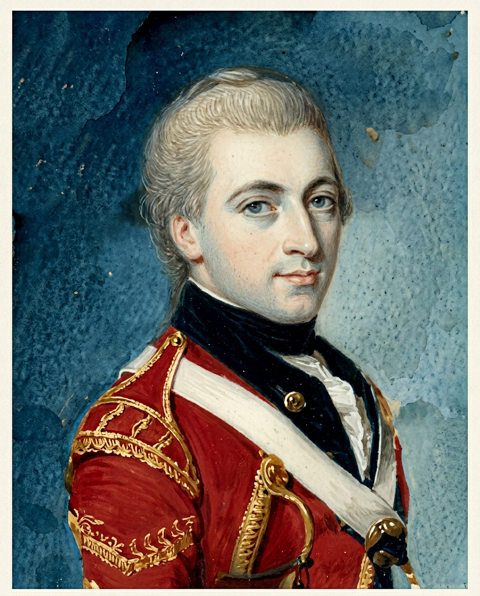 | Joseph Drew (1742-1808) of Glasgow & North America |
See here for full contents of the Drew family THIS INFORMATION COURTESY OF Sandra … |
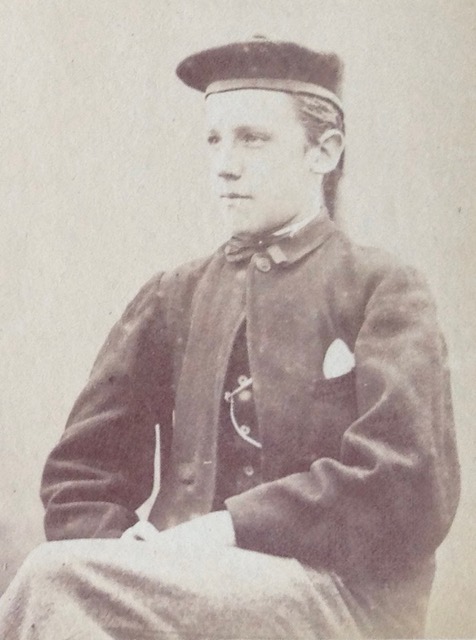 | Thomas Auchterlonie Drew (1852–1921), aka Tom Drew, of Manchester |
How the youngest son of Alexander Drew of Dalmonach became a Manchester‑based calico printer, linking the Drews to prominent banking, silk‑warehouse and professional families. |
 | Lough Rynn Castle, Mohill, Co. Leitrim |
A lakeside Victorian castle in County Leitrim with a colourful past is enjoying a new lease of life as the contemporary hotel. Built in the 1830s for the Earls of Leitrim, the present owners recruited the Cotton Box Design Group to revamp the Gothic building, which now extends deep into the old stable wing. |
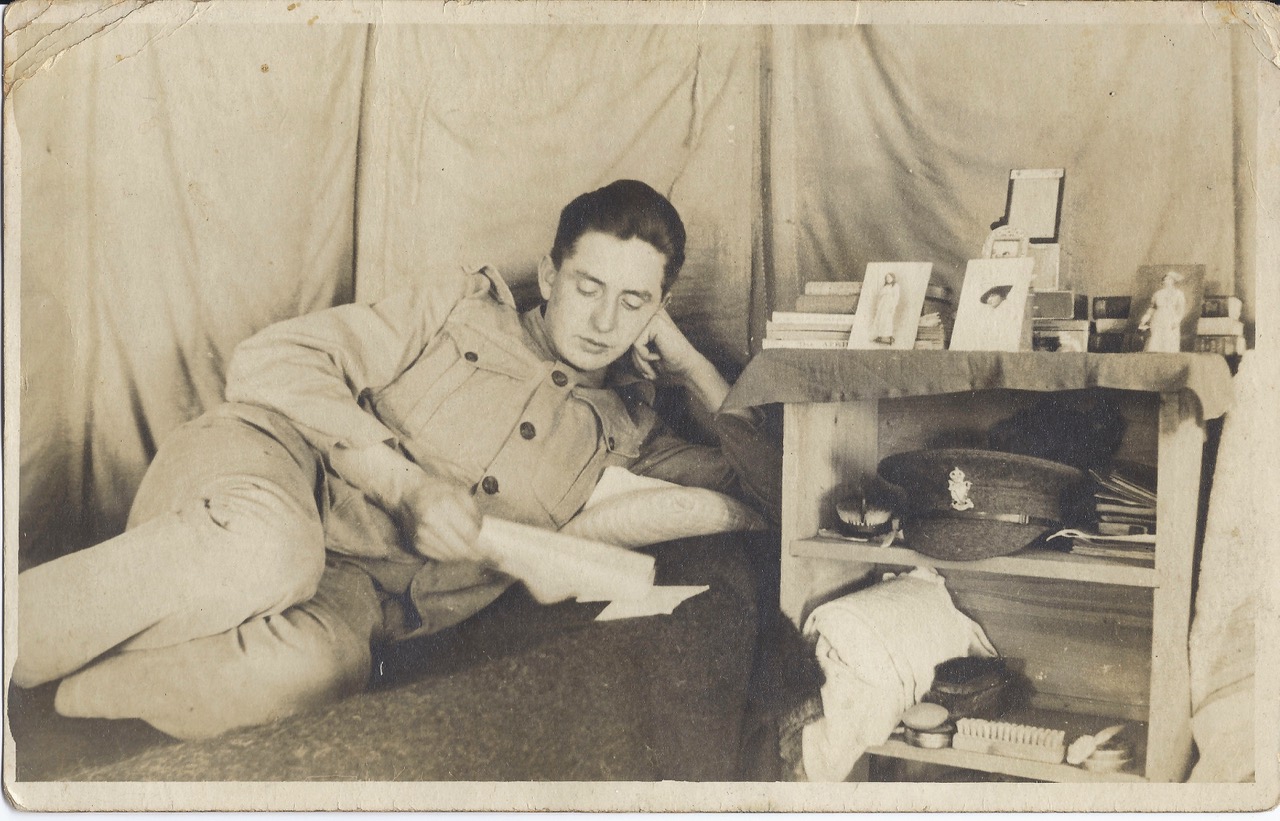 | Brian Desmond Hurst – Empress at Gallipoli |
‘Some people have asked me over the years whether I'm bisexual. In fact, I am tri-sexual. The Army, the Navy and the Household Cavalry.’ So spake Brian Desmond Hurst, Ireland’s most prolific 20th century director. This account focuses on the Belfast man's experience at Gallipoli. |
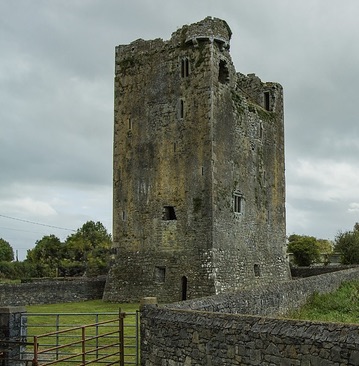 | Butler of Castlecrine, County Clare, and Grallagh, County Tipperary |
From Grallagh Castle’s ruined tower to the scaffold at Limerick, the Butlers of Castle Crine trace their line to Wild Piers Butler of Tipperary. His descendants commanded Confederate forces, endured Cromwellian confiscations, and, through transplantations and decrees of innocence, preserved the Boytonrath and Castle Crine branches into the seventeenth century. |
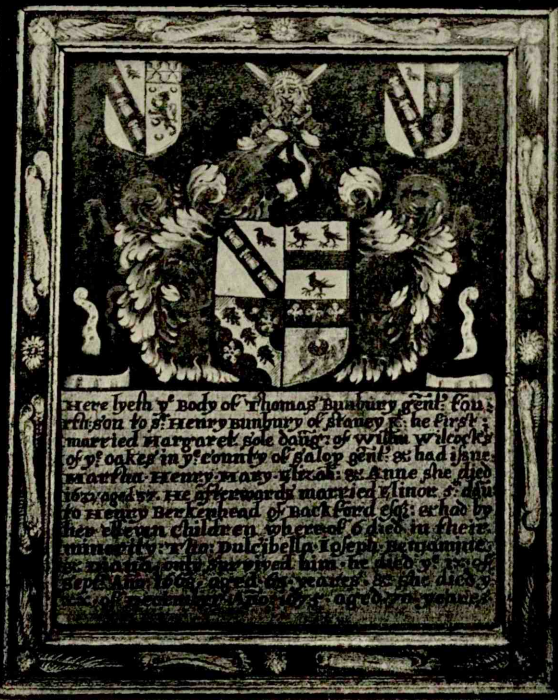 | Thomas Bunbury (1606-1668) – Oxford Links |
The Bunburys of Lisnavagh descend from Thomas Bunbury, son of Sir Henry Bunbury (1565-1634) of Stanney Hall, Cheshire. This page looks at his links to the Birkenhead family and Balliol College, Oxford, as well as Cromwellian links to Carlow town and the gruesome fate of his cousin Sir Arthur Aston during the siege of Drogheda of 1649. |
 | The Cistercian Order in Ireland |
Between 1142 and 1270, the Cistercian Order built 38 abbeys in Ireland from which, at their peak, they owned almost half a million acres in Ireland, including 48,000 acres at their mother-house, Mellifont Abbey. Famed for their agricultural prowess, the Cistercians were particularly adept at bringing sheep's wool to the markets of Flanders, by which means they became a corporate megastar – closely affiliated with the Knights Templar. |
 | If It's Music You Want, Go To County Clare |
A look at some of the best traditional music pubs in the Banner County. |
 | Music & Surf from Dingle to Doolin (2012) |
One minute I’m having a quiet pint in a charming West Kerry pub, sprawled beside a flickering log-fire, my toes rattling along to an old fellow playing a polka on a squeezy box, thinking ‘ah yes, this is the only way to pass the long, dark winters’. Next thing I know, I’m submerged in ice-cold seawater … |
 | Willie Mullins – Commander of the Turf |
In 2026, Willie won his fourth Cheltenham Gold Cup and his fourth Aintree Grand National. In 2025, he won the Breeders Cup. In 2024, he became the first Irish-based trainer to win the UK Jumps Trainers Championship since Vincent O'Brien in 1954, as well as the first trainer in history to score 100 wins at the Cheltenham Festival. (He's now on 121.) Willie's been in the saddle since he could toddle. This is an interview from 2010, when he was already an equestrian superstar. |
 | Ballybit, County Carlow |
A brief look at the townlands just west of Lisnavagh and their association with families such as Gilpin, Gorman, Elliot, Lowry, Kehoe, Bryan, Carroll, Leary, and Murphy, as well as Viscount Allen, John Drought and the Bunburys, plus the discovery of the Ballybit Pot in 1861. |
 | Notes on Holywood, County Down |
Looking at some notable figures and historical events associated with Holywood, including golfer Rory McIlroy, sculptor Rosamund Praeger, and Captain Theophilus Alexander Blakely. |
 | Rise & Fall of the Knights Templar – The Irish Experience |
The Knights Templar have captivated people’s imagination ever since the Order was founded in 1119. One of the most powerful forces in Europe for almost 200 years, their initial purpose was to protect pilgrims in the Holy Land. In Ireland, they had manors and banking preceptories across Leinster, as well as anchorage for ships from Waterford Harbour to Galway City to the north-west coast. Their fall was astoundingly dramatic. |
| Notes on Ringsaskiddy, County Cork |
See here for more stories of County Cork The Palmer Shipping Company, based in … | |
 | A Short History of Irish Gold |
There is gold in Irish hills, as evidenced by recent finds on the Armagh-Monaghan border, Slieve Glah in County Cavan and the Sperrins Mountains of County Tyrone. Ireland’s rapport with gold actually began about 4,000 years ago when the Bell-Beaker people arrived in from Europe, heralding the so-called Bronze Age. |
 | Family Histories by Turtle Bunbury | The list on this page provides links to most of the 300 (or so) family histories that Turtle has delved into – mostly Irish or Anglo-Irish, but also Irish-American, Australian, Canadian, British, British colonial, Danish, Swedish, Dutch and Russian. Turtle sets each generation into the context of the historical events and characters they would have encountered. |
 | Leslie-Ellis of Magherymore, Co. Wicklow, and County Monaghan |
Looking at the family who lived at Magherymore (now spelled Magheramore), near Wicklow Town for a number of generations, and their connections to the US state of Georgia and Cambridge University. Their home is now a St Columban nursing home. |
 | The Pigeon House – Hotels, Barracks and Power Stations |
A sketch of the Pigeonhouse Harbour’s history as Dublin’s main packet‑boat station, later barracks and power‑station site, taking in the Green Patch—once a strategic tidal islet and work‑yard for the South Wall— and the famous chimenys and the modern Poolbeg port complex. |
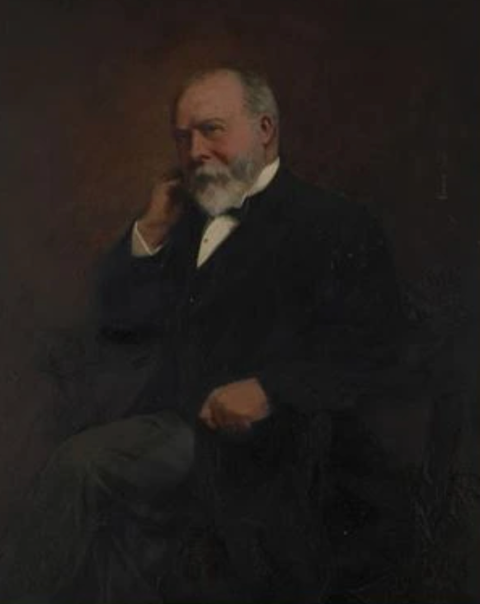 | Becher of Aughadown, Lough Ine and Bagenalstown House |
Tracing a line of the Becher family of County Cork, Ireland, that descend from Phane Becher (c.1546-1592), including the Venerable John Richard Hedges Becher (1861-1946), Archdeacon of Ossory & Leighlin, John Hedges Becher (1888-1967) who worked on railways in India and Captain Edward Overington Becher (1896-1931), a decorated WWI officer, who died young. |
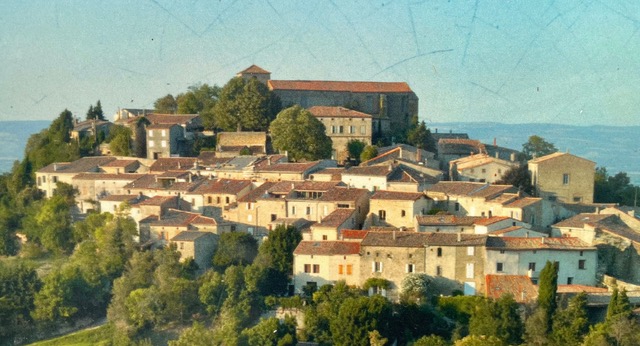 | Hugh de Lacy and the Albigensian Crusade | The Albigensian Crusade (1209–1230) aimed to destroy the Cathars in southern France. Laurac-le-Grand was a key Cathar stronghold, defended by Aymeric de Montréal and his sister Lady Guiraude de Laurac. Hugh de Lacy, the exiled Earl of Ulster, joined the crusade, and briefly became the lord of Laurac. |
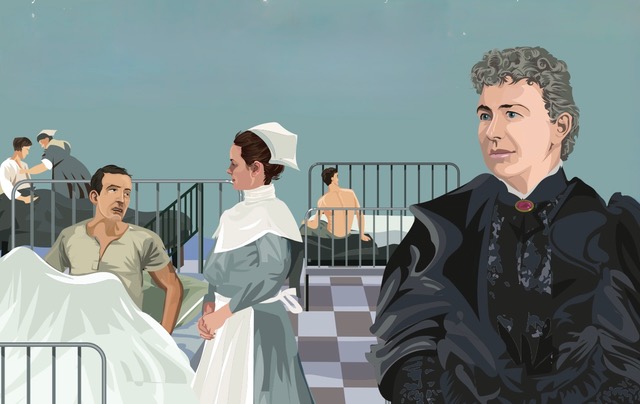 | Notes on Hazelhatch, County Dublin, and Celbridge, County Kildare |
Highlighting historical figures and events from around Celbridge and Straffan, such as Brian Boru, who fought at Glenmama; Arthur Guinness, founder of the Dublin brewery; William Conolly, the powerful Speaker; Thomas Dongan, a governor of New York; and Jonathan Swift, author and lover of Vanessa. Other notables include Ned Despard, Lady Aberdeen, Lady Caroline Blackwood and Damien Rice. |
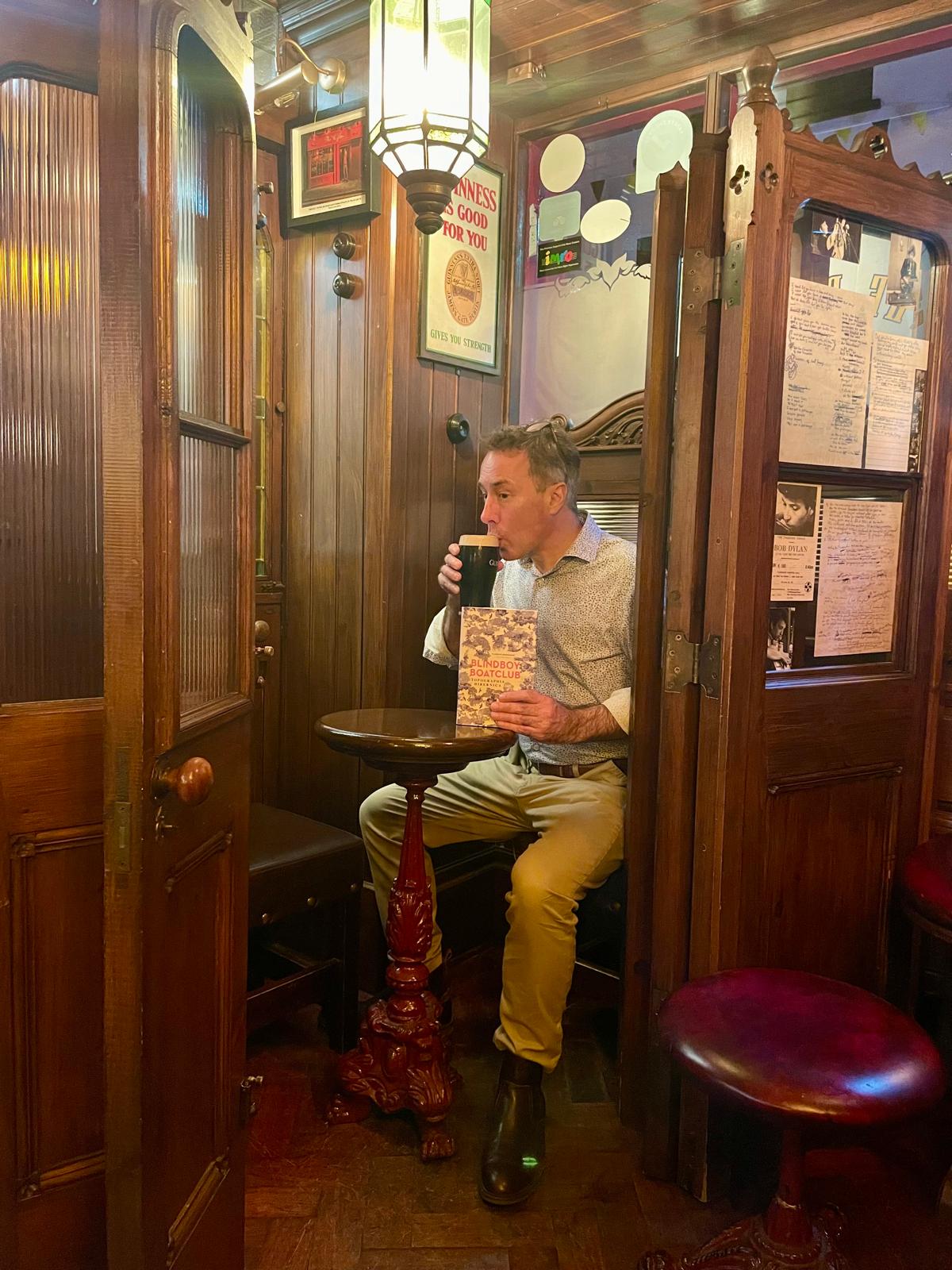 | Power's Snug of the Year, 2011 |
In 2011, I was gainfully recruited by Power’s Whiskey to drive around Ireland and visit the four snugs they had short‑listed for Best Snug of the Year. This was a somewhat dreamy assignment, completed in the delightful company of my sister, Sasha Sykes. |
 | Turtle's Travel Articles |
Ireland Belfast: City of Music & Joy If It’s Music You Want, Go to … |
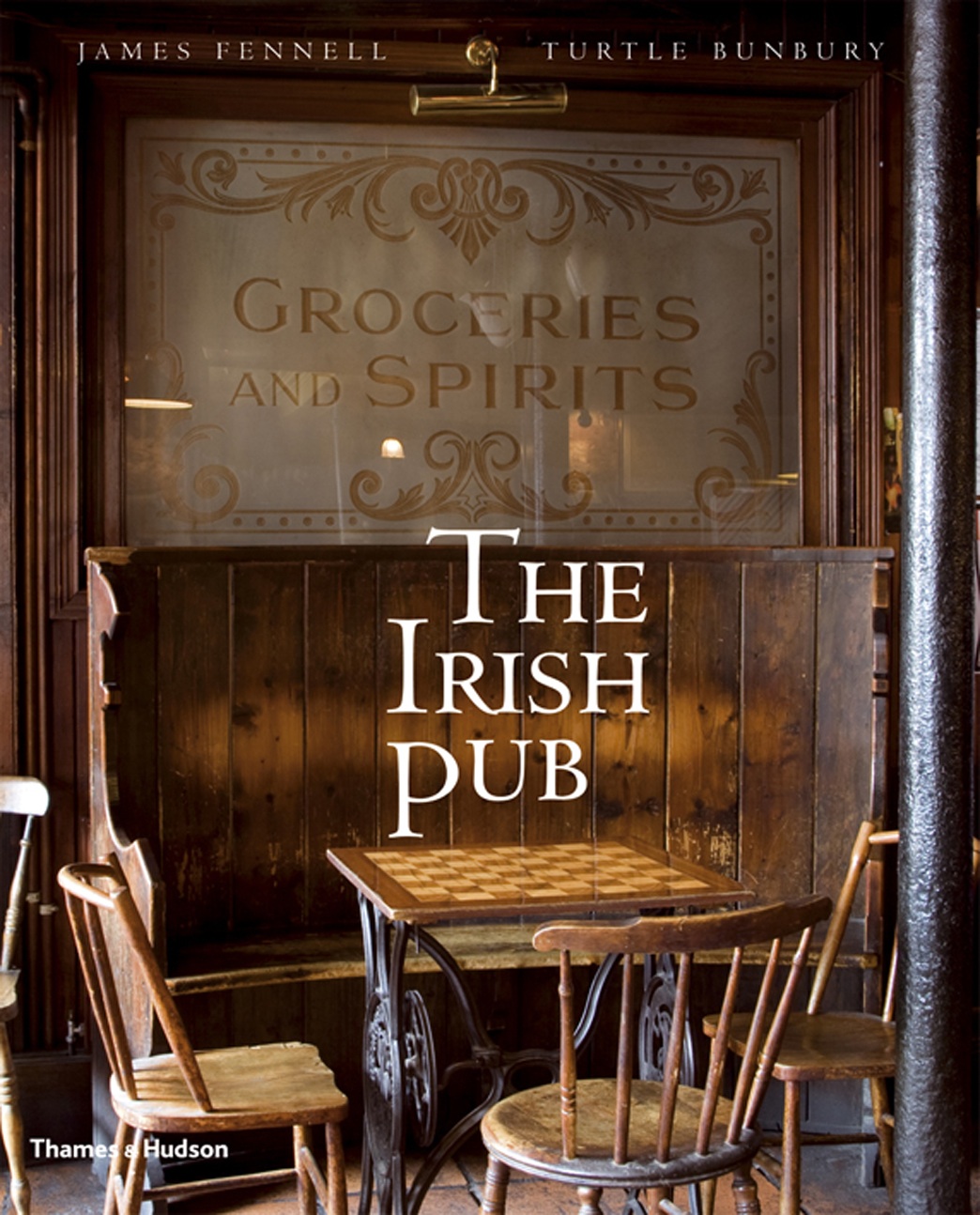 | The Irish Pub – Contents | Published by Thames & Hudson in 2008, ‘The Irish Pub' was one of the best-selling books in Ireland over Christmas 2008. It examines forty old style pubs from the cities of Belfast and Dublin to the isolated crossroads of rural Ireland, and asks the question, what will be the fate of the Irish pub in the 21st century? The book featured prominently in a broadcast on BBC World with reviews in National Geographic, The Australian, The Guardian, The Irish Times and elsewhere. |
 | County Sligo – Choose a Topic | Choose from these topics for stories of people, families, events and places connected to County Sligo’s past. |
 | The Irish Pub – Select Bibliography |
Return to Contents for The Irish Pub Books Bell, Stanley, ‘The Story of Sir … |
 | Tankardstown, County Carlow | Musings on the Carlow townland. Does anyone have any information on the Tankard family, sometimes Tancred, of County Carlow? |
 | Barton & Childers of Glendalough House, Co. Wicklow |
“Fide et Fortitude” (By fidelity and fortitude) The story of the Barton family … |
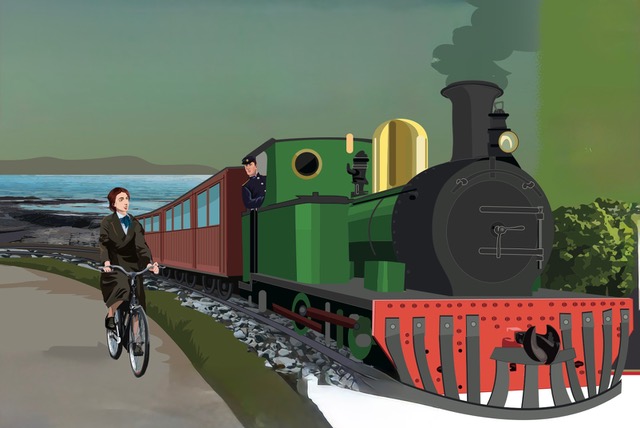 | The Dublin & Kingstown Railway |
Steam first rattled across Irish rails in 1834, when the bright‑green Hibernia began shuttling Dubliners to Kingstown’s new harbour. Railway mania, seaside resorts, grand stations and eroding cliff‑edges soon followed. |
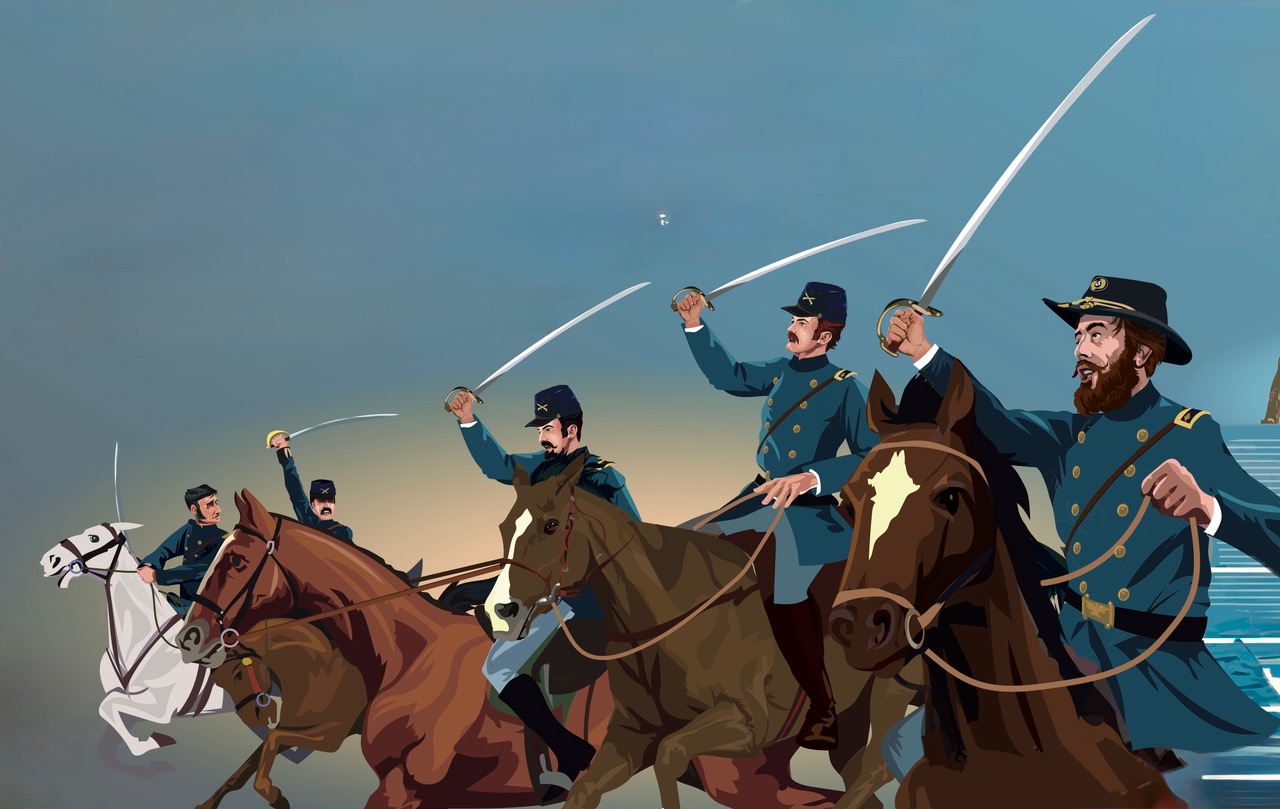 | Notes on Westport, County Mayo |
From Achill’s trains of the dead to slave‑freeing marquesses, Botox barons, Nazi broadcasters and sabre-rattling generals, Westport’s small Atlantic stage has launched some of Mayo’s strangest tales … |
 | Past Tracks – An Illustrated Journey Through Irish History | An overview of the Past Tracks project, where history panels have been installed at railway stations across Ireland to highlight local history and stories. Initiated in collaboration with Irish Rail and illustrator Derry Dillon, the project aims to engage commuters with Ireland’s rich past through intriguing narratives and vibrant illustrations. |
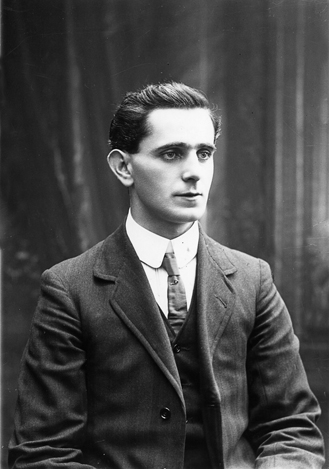 | Irish Railway Stations Renamed for 1916 Leaders, 1966 |
See here for more stories of Irish railways On 10 April 1966, as part … |
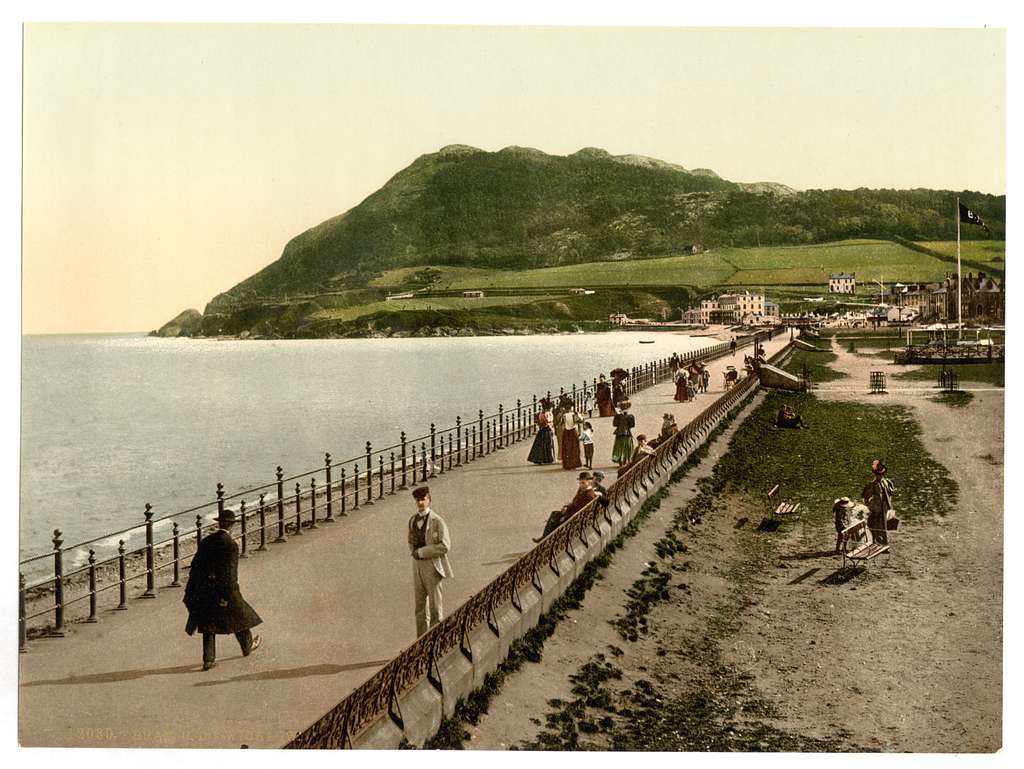 | Rails to the Sea: How Ireland’s Railways Made Seaside Tourism |
From Kingstown day‑trippers to Balfour’s light lines and today’s greenways, Ireland’s railways created seaside resorts, opened the wild west to tourists, and then carried generations away when the tracks began to close. |
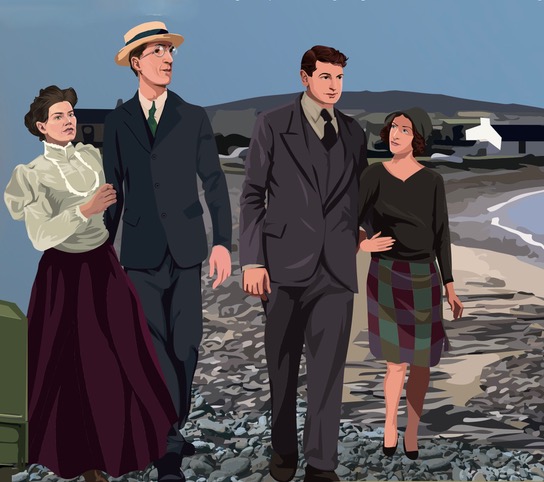 | Notes on Greystones, County Wicklow |
Highlighting the local links to Michael Collins, Éamon de Valera, and Kitty Kiernan, as well as the La Touche family, Count Michael Kutuzov-Tolstoy, Averil Deverell, Taylor Swift, Ronnie Drew, Waclaw T Dobrzynski, Lizzie Burnaby and Shane Ross. |
 | Notes on the Connolly Station area in Dublin City |
Looking at stories of the sculptor John Henry Foley, the beautiful Montgomery sisters, the 1916 leader James Connolly, the eccentric Earls of Aldborough, the boundary wall around the Custom House docks and one of Europe's biggest red light districts. |
 | Nolan of Ballykealy, Kilballyhue and Raheenwood, County Carlow |
From Forth O’Nolan chiefs and Wild Geese hanged near St Stephen’s Green to Captain Lew Nolan of the Light Brigade and a Nolan engineer marrying in Bengal, this ever-evolving Carlow saga follows one family across centuries and continents. |
 | The Irish Munitionettes |
Irish “munitionettes” forged shells, cordite and a new independence on Dublin’s docks and Arklow’s sands – amid strikes, explosions and football internationals – in a forgotten Irish front of the First World War. |
 | Waterways Through Time – Contents | Season 1 Season 2 Season 3 From Glacial Origins and Tuatha de Danaan Names to … |
 | William Marshall, Earl of Pembroke (1147-1219) – The Greatest Knight |
William Marshal was the most powerful Anglo-Norman lord to come to Ireland. A jousting champion, die-hard crusader and pre-Machiavellian tactician, he survived the turbulent courts of four Plantagenet Kings to become Regent of England, Lord of Leinster and the richest man in the British Isles by his death in 1219. As successor to Strongbow and Aoife, he did more to establish Anglo-Norman control in Leinster than any other man. He was also an enthusiast for roast rabbit and sautéed mushrooms… |
 | McClintock of Dunmore House, Co. Donegal |
The story of a branch of the family that came of age after the relief of Derry in the Williamite Wars of the 1690s, only for inconceivable tragedy to come in the form of a triple homicide on the eve of the Second World War. With a brief account of the McFarland family who bought the house outside Carrigans, County Donegal, in 1954. |
 | Alexander McClintock of Drumcar (1692-1775) – The Fairy Godfather |
The “fairy godfather” of his nephews and nieces, Alexander McClintock was a barrister of note in Dublin during the early Georgian Age, and Attorney at the Court of Common Pleas. He acquired Drumcar, County Louth, which later passed to his principal heir, Bumper Jack McClintock of Drumcar. Alexanders wife was Rebecca Sampson. |
 | William McClintock of Lifford (1724-disinherited) |
Disinherited for marrying his first cousin Francelina Nesbit, William had further heartache with the premature death in India of his son Alexander, a friend of the diarist William Hickey. |
 | Roman Holiday: From the Pantheon to Umbria | A short Rome-and-Umbria escape blends city intensity with rural calm, a night visits to the Pantheon, the Pope at the Vatican and a hilltop cottage near Acquasparta, providing a reset from a hectic life back home. |
 | Tommy Brennan (1940-2014) – Showjumper & Cross-Country Course Builder |
The rise of a Dunnamaggin farm boy to Olympic rider, world champion and master cross‑country designer, whose enjoyed global triumphs from Burghley to Beijing. |
 | Takahē 1847 – The Bird That Side-Stepped Extinction |
Mantell’s takahē finds reshaped New Zealand ornithology, linking colonial land deals, Māori relations, extinction scares, a dramatic 1948 rediscovery, and today’s fragile Fiordland conservation battle. |
 | De Burgh of Oldtown, Co. Kildare |
Reputedly descended from Charlemagne, the de Burgh's role in Irish affairs has been immense since the first knights who cantered across the seas in the 12th century. The Oldtown branch was established in Kildare 325 years ago by Thomas Burgh, a brilliant military engineer. His descendants include the Georgian politicians Walter Hussey Burgh and John Foster, General Sir Eric de Burgh, the singer Chris de Burgh and the 2003 Miss World, Rosanna Davison. |
 | Black Jack Adair and Bellegrove House |
See here for more stories of County Laois. On Saturday 27 September 2025, Seamus … |
 | The Cistercians of Mount St Joseph, Roscrea, County Tipperary |
The jury is still out as to whether or not the corridors of Mount St Joseph became any noisier after Vatican II. The return of the voice had to be weighed against the ever diminishing number of monks walking through the monastery every passing year. ‘Very few enter nowadays,’ concedes Father Laurence. |
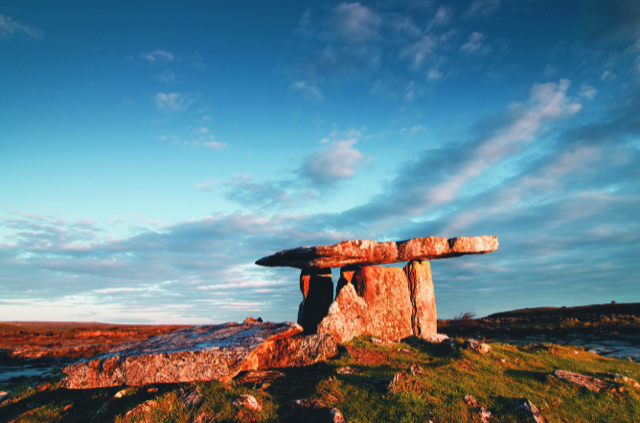 | County Clare in the Neolithic Period |
See here for more stories of County Clare How long has there been life … |
 | Book Launch: ‘Tullow Through the Ages’ (2025) by Christopher McQuinn | See here for more stories of County Carlow. It was my great pleasure … |
 | Commodore John Barry (1745-1803), Father of the American Navy |
The Wexford man was the United States’ first commissioned naval officer, as well as its first flag officer. On his watch, the US Navy converted 40 acres of Brooklyn into one of the world's biggest shipyards. It stands next to the oldest park in Brooklyn, renamed Commodore Barry Park in his honour. |
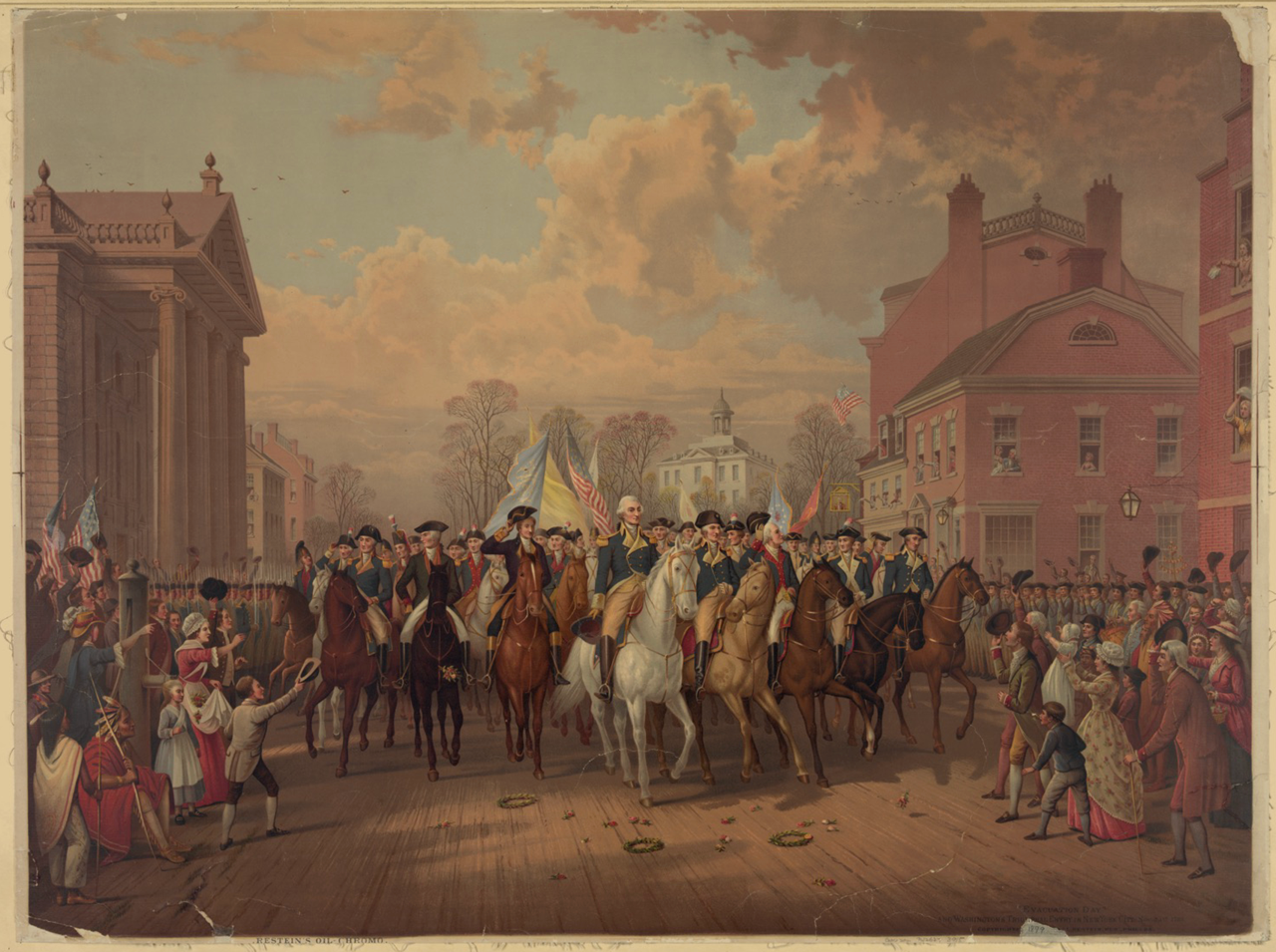 | Hercules Mulligan (1740-1825) – The Tailor Spy |
The story of an Irish-born tailor who turned his New York shop into a front-line intelligence hub, charming drunk British officers while secretly feeding George Washington and Alexander Hamilton life‑saving tips. From toppling King George’s statue to twice foiling assassination and kidnap plots, he walks a razor’s edge—suspected by Loyalists, doubted by Patriots, nearly ruined, even jailed. Only after Evacuation Day does Washington publicly hail him as a “true friend of liberty,” rescuing his reputation. |
 | The Long Hall – 51 George’s Street, Dublin 2 |
The Long Hall is the sort of place Brunel would have created if he’d taken to pub design. Reminiscent of a mid-Victorian train station, it came in at No. 2 on a list of the most popular pubs in Dublin published by Tripadvisor in February 2022. Up until 1951, the bar was men only but women sitting in this hallway were served through hatches. One regular was notorious Dublin bad boy Brendan Behan whose father worked across the road in Dockrells. |
 | Notes on Harmonstown, Artane & Coolock |
The Drummer’s Kitchen 60 Rosemount Avenue, Haromonstown, was the childhood home of U2’s co-founder … |
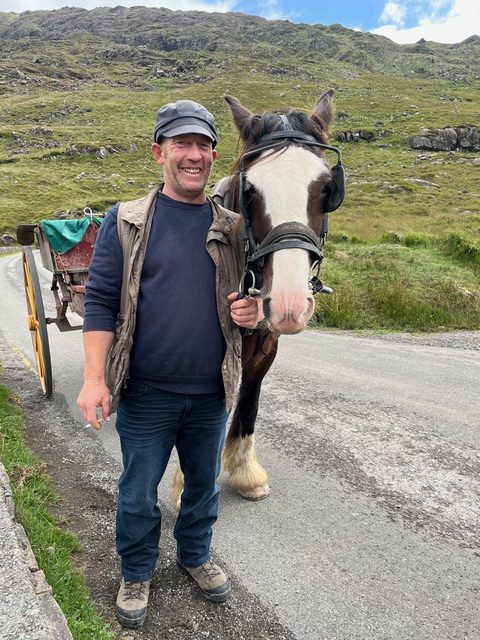 | Notes on Killarney, County Kerry |
Looking at the region’s rich history at Tomies Wood, Ross Castle, Innisfallen Island and the McCarthy Mór stronghold Castlelough, later owned by Crosbie and Blennerhassett families. Tourism boomed under Thomas Browne, Viscount Kenmare. The Lakes of Killarney were home to Fionn Mac Cumhaill and admired by Queen Victoria. The Guinness, Bourn, Vincent, and McShain families owned Muckross House, while local heroes include Hugh O’Flaherty, Janie McCarthy, and Sarah Scullin. |
 | Pagan Christianity – The Holy Wells of Ireland |
Wells were of paramount importance to the people of Ireland who flocked to them for supernatural protection, respectful of the water’s ability to cure. There must have been endless disappointment but, nonetheless, the early Christians adopted these wells which were, in time, rebranded as ‘holy wells’ (Tobar Beannaithe) or ‘blessed wells’ (Tobar Naofa). |
 | Richard Corrigan Papers – General Notes (County Carlow) |
Miscellaneous pages connected to County Carlow, extracted from one of Richard Corrigan's books and transcribed as written by Maribeth Nolan in Nov/Dec 2012. Giltrap, Cope, Corrigan are among the names recorded, as well as the Parish Church in Kinneagh. |
 | Herbie Brennan (1940-2024) – Master of the Universe |
Over the course of his 83 years, Herbie wrote almost 120 books, of which he sold over 10 million copies in at least 50 countries. He was my mentor and my friend. You never quite knew what would happen next when he opened his mouth to speak, what strange story he would reveal … |
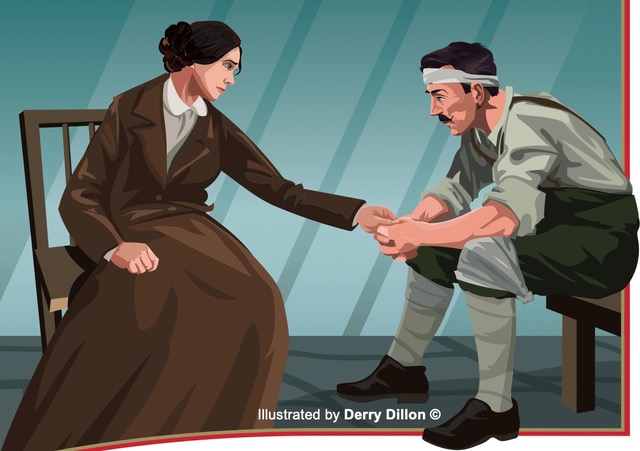 | Notes on Wexford Town |
This Wexford miscellany covers Modomnóc’s bees, Viking‑Norse Wexford and Norman sites like Ferrycarrig and Selskar Abbey. It profiles martyrs such as Matthew Lambert and rebel‑turned‑“Irish Zorro” William Lamport, maritime figures John Barry and Arctic explorer Robert McClure, and political or literary natives Thomas D’Arcy McGee, communist May O’Callaghan, novelist‑rebel Michael O’Hanrahan and Oscar Wilde’s mother, Speranza, while touching on Wexford’s diaspora, opera festival, blue whale, and other colourful local characters. |
 | Ronnie Delany (1935-2026) – Gold Medal Hero of the 1956 Olympics |
‘One of my proudest moments was when my son said to me, later in my life, “Dad, I never knew that you were a famous sports person until I was about 10 years of age”. I thought that was beautiful. To him I was just Dad. I wasn’t Ronnie Delany the iconic athlete.’ |
 | Lefroy of Cardenton House, Athy, County Kildare |
This piece traces Captain Benjamin Langlois Lefroy of Cardenton House, Athy, his three marriages and numerous descendants in Ireland, Britain and Canada, highlights his son Captain Benjamin Langlois Lefroy RN and grandson Rev. Hugh Henry Magrath Lefroy. |
 | County Longford – Choose a Topic | Choose from these topics for stories of people, families, events and places connected to County Longford’s past. |
 | Newtown Forbes & Castle Forbes, County Longford |
How Newtownforbes and Castle Forbes in County Longford link Scottish Forbes lords, American heiress Beatrice Mills and the early introduction of American grey squirrels that reshaped Ireland’s woodland wildlife. |
 | Notes on Coolmine and Blanchardstown, County Dublin |
Looking at key figures associated with the area including St Patrick, Oliver Cromwell, Jonathan Swift and Alexander Kirkpatrick, plus the Cistercian monks, the Jelletts of Coolmine House, the Wine Merchant's School and a wolf hunt in the Great Scaldwood. |
 | Lefroy of Carrigglas (Longford), Ewshot (Hampshire) and Canterbury (Kent) | Hailing from Cambrai in French Picardy, the Lefroy family arrived in England as refugees during the French Wars of Religion. Having prospered as silk merchants in Canterbury, two branches emerged. The Irish branch included Tom Lefroy, famed as the love interest of Jane Austen, before he became Chief Justice of Ireland. The English branch were based at Ashe in Hampshire where they were again closely affiliated with Jane Austen's family. Among the family were the first Lady Rathdonnell and the surveyor Sir John Lefroy. |
 | Silken Thomas FitzGerald's Rebellion, 1534-1536 |
In 1534, Silken Thomas FitzGerald flung down his Sword of State and renounced his allegiance to Henry VIII. This was the opening gambit of a rebellion in which FitzGerald attempted to capture Dublin Castle, only to be executed in London, along with five of his uncles, on what was possibly the blackest day in the long, epic history of the FitzGerald family. |
 | Notes on Cobh (Queenstown), County Cork |
A mercy mission from Boston, the bells that rang out for Laurel and Hardy, Sonia O'Sullivan and a remarkable Titanic survivor are among the cast on Turtle's panel in Cobh railway station, illustrated by Derry Dillon, translated by Jack O Driscoll. |
 | 2. Kilkea Castle – De Ridelesford & the First Castle (1169-1304) |
Following the Cambro-Norman conquest of Leinster in the late 12th century, the lands around Kilkea and Castledermot in County Kildare were granted to Walter de Ridelesford, a man with strong links to the Knights Templar. The original stone castle – once among the most formidable in Ireland – was built by Hugh de Lacy in about 1180. Within 100 years, the manor had been divided between Walter’s female heiresses, Christiana De Marisco and Emmeline Longespée, which would bring the House of FitzGerald into the mix. |
 | Irish Manor Houses – National Geographic Traveler, 2014 |
Turtle scored a cover story on National Geographic Traveler in 2014 with this account of five cracking Irish ‘big houses’, which have opened their doors as places you can stay and enjoy some of the immense peace and opulence that their ancestors enjoyed. |
 | William Bunbury II (1704-1755) of Lisnavagh, Co. Carlow |
A grandson of the original Benjamin Bunbury of Killerrig, William (known as Billy) inherited Lisnavagh at the age of six, following the premature death of both his parents. He would preside over Lisnavagh for the next forty years, during which time he helped fund the construction of the Protestant church in Rathvilly. This chapter also looks at his sister Elizabeth Bunbury and her connection to the Lockwood, Minchin and Carden families. |
 | McClintock of Fellow’s Hall, Co. Armagh and Rathvinden, Co. Carlow |
A line of descent from the McClintocks of Drumcar with links to the Curragh Mutiny, the Lonsdale who became Baron Armaghdale, the Tynan Hunt, the Stronge family, a scandalous elopement, the Land Commission that followed the Wyndham Act, and the death of a father and son who were both wartime pilots. |
 | McClintock of Newtown (Louth) & Seskinore (Tyrone) |
This branch of the family descend from Alexander McClintock (1746-1796) of Newtown, County Louth, whose son Samuel succeeded to the Perry family home of Perrymount, also known as Seskinore, in County Tyrone. The story culminates in a sad episode in the 1930s, as well as the demolition of Seskinore. |
 | John Coady (1927-2017) – Sheep Farmer of Rahanna, County Carlow |
The Carlow sheep-farmer who looked after the mast on Mount Leinster, John was a great ladies man in his prime. He has that Hollywood look about him, like the kindly old soul who always ends up having secretly masterminded the whole scam. |
 | Foster of County Louth – Ambassadors, Speakers, Lovers Extraordinaire |
A family who rose through the hierarchy through their astute understanding of finance, property and agriculture, culminating with John Foster’s election as Speaker of the Irish House of Commons and his elevation to the peerage as Baron Oriel. With 6,500 acres at Collon, Dunleer and Glyde Court, County Louth, the head of the family also became Viscount Ferrard and Viscount Massereene, inheriting Antrim Castle. Includes the philanthropist Vere Foster and Lady Bess Foster, part of the Duke of Devonshire’s ménage à trois with Georgiana. |
 | 3. Kilkea Castle – The Wogan Years (1305-1425) |
By 1305, Sir John Wogan was the most influential man in Ireland. As a reward, King Edward I of England gifted him Kilkea Castle and its manor lands. The property was also of much interest to the FitzGerald family, now Earls of Kildare, who were partly descended from the de Ridelesfords. Meanwhile, the Pale itself soon became one of the bloodiest battlegrounds on the island of Ireland. |
 | The Vikings on Irish Waterways |
In the medieval period, rivers and lakes were the principal highways that people used to get around. However, what happens when a darker force gains access to those same waterways? A force whose sole game-plan seems to be to raid and plunder and generally go on the rampage? The Vikings would be one of the most powerful influences on Irish life for the bones of 400 years. |
 | The Christmas Truce, 1914 – An Irish Perspective |
The Christmas Truce of 1914 has become one of the most iconic events of the war, a moment when British and German soldiers sang carols, exchanged cigarettes and met in the killing fields of No Man’s Land for informal kickabouts with a football on Christmas Day. |
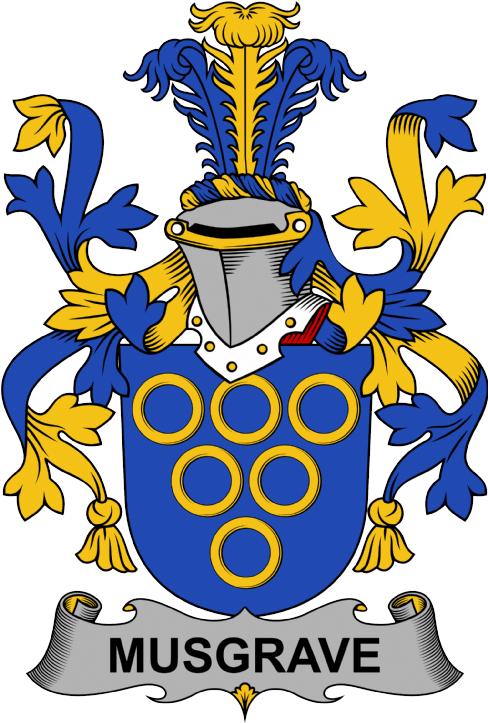 | Musgrave: Migration from Leitrim to Cork |
It was my ambition with this study to trace the Musgrave family of Derrinasoo on the Roscommon-Leitrim border (and by extension of Cork) back to the 18th century. The earliest forebear I've found is William Musgrave (1817-1876). Alas, concrete evidence still eludes me although there are many strange connections, which are surely more than mere coincidences, linking the various Musgrave, Mosgrave and Musgrove families of Scotland, Northern Ireland, London, Limerick, Sligo and Roscommon, not to mention the Canadian branches. |
 | County Roscommon – Choose a Topic | Choose from these topics for stories of people, families, events and places connected to County Roscommon’s past. |
 | County Leitrim – Choose a Topic | Choose from these topics for stories of people, families, events and places connected to County Leitrim’s past. |
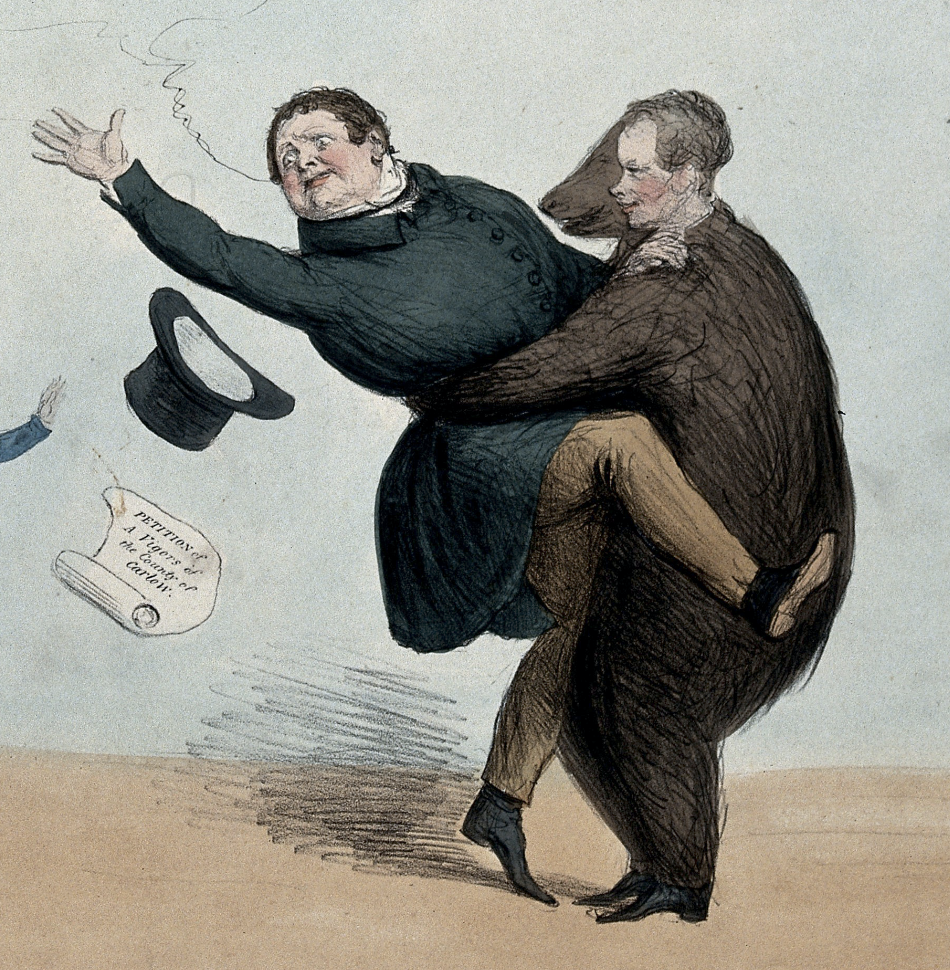 | Vigors of Old Leighlin, Erindale & Holloden |
The Vigors hailed from Devon, England, and came to Ireland in the early 17th century when one of them became chaplain to the influential Boyle family. During the reign of Charles II, they were granted estates in County Carlow, where branches were established at Old Leighlin, Holloden and Burgage. Family members include a zoologist, an antiquarian and the writer Wilfred Thesiger. |
 | Giles Blundell (1939-2000) of Slievenamon (Fethard) | Giles was one of my father's best friends from his time in the Royal Navy. In 1972, he managed to avoid crashing a Royal Navy Buccaneer jet into East Belfast after it malfunctioned during a routine test flight but his courage came at a cost and he was invalided out of the Navy. |
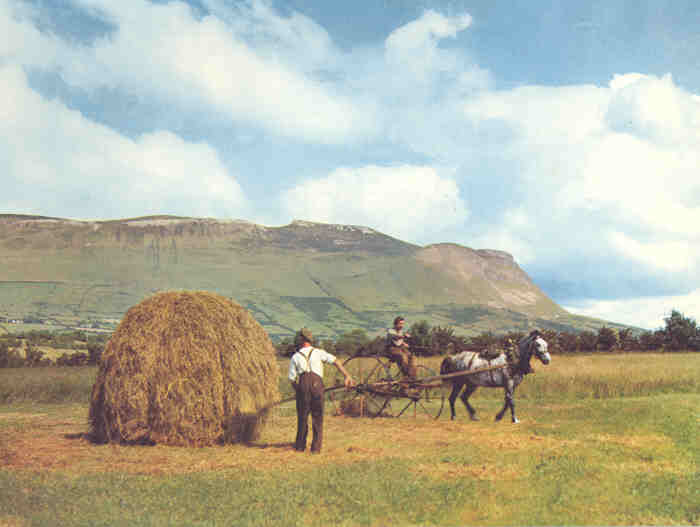 | Forty Years of Farming by Gilbert Butler (c. 1967) |
Gilbert Butler was our mother's father. He lived at Scatorish, Bennettsbridge, County Kilkenny, and farmed at nearby Annamult, Drumherin and Burnchurch. He was president of the President of the Royal Dublin Society in 1975-1976, during which time he opened the RDS pavilion, and also a past president of the Irish Dairy Shorthorn Society. He was closely involved with the National Farmers Association. He was a brother of the essayist Hubert Butler of Maidenhall. |
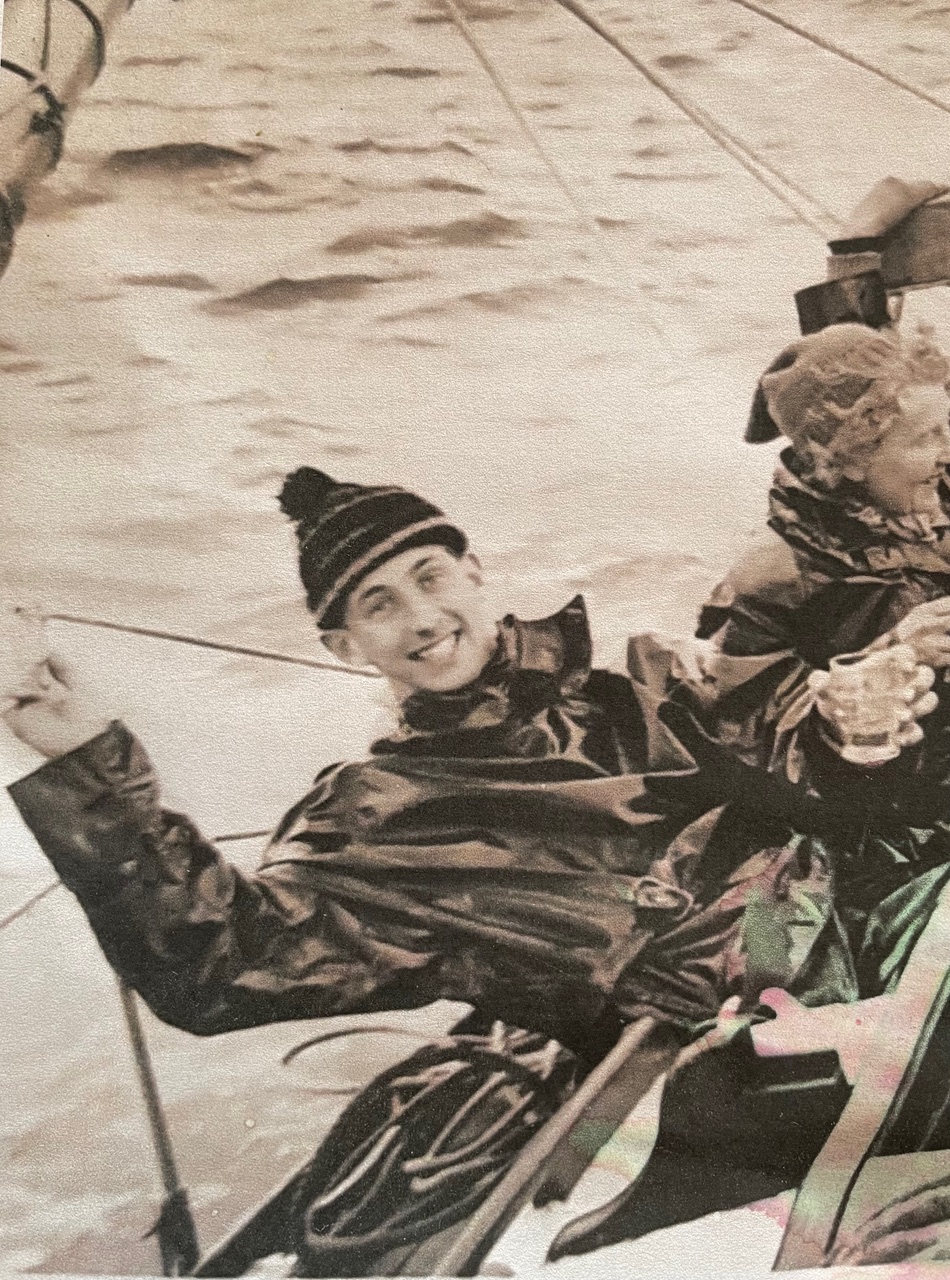 | Eulogy to Ben Rathdonnell (1938-2025) | A eulogy to our father, who died on 28 February 2025. Delivered at St Mary’s Church, Rathvilly, County Carlow, on 5 March 2025. |
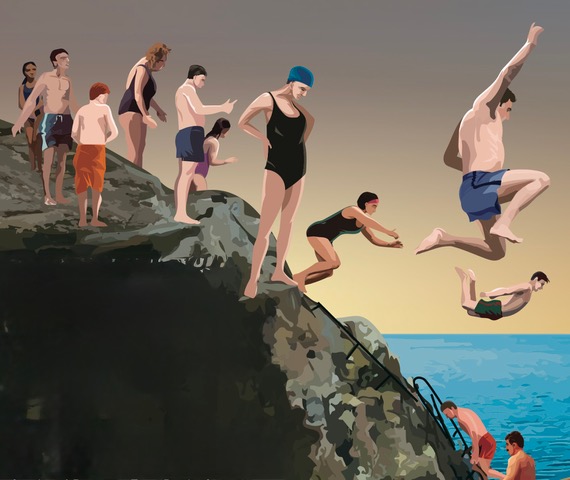 | Notes on Sandycove & Glasthule, County Dublin |
See here for more stories of County Dublin. The Forty-Foot Sandycove is the … |
 | Brendan Bracken – Churchill's Faithful Chela |
Brendan Bracken, one of Winston Churchill's closest friends, was the son of a prominent Irish nationalist. He ran away from school as a child and reinvented himself as an Australian schoolteacher. Brendan served as Britain's Minister of Propaganda during the Second World War and went on to found what would one day become The Financial Times. |
 | The Glorious Madness – An Appreciation by Sebastian Barry (2014) |
That great silence which accreted around the extraordinary conflagration of the Great War in so far as it affected Ireland, has been often, ironically, spoken of in our time. But there always has been a trace of the war, silence or no silence, inside, literally, almost everyone in Ireland. |
 | Humewood Castle, County Wicklow |
Humewood Castle is without doubt one of the most eccentric buildings in Ireland. Built in 1868 for Fitzwilliam Dick, it later passed to his granddaughter, Mimi, who married General Maxim Weygand, commander-of-chief of the Allied forces in Europe on the eve of the German invasion of France. The castle is now owned by the American business executive and philanthropist John Malone whose extensive refurbishment earned Humewood the best conservation/restoration scheme award from the Royal Institute of the Architects of Ireland in 2016. |
 | Descendants of Morugh MacFinn of Leinster |
A genealogy from the line of Morugh MacFinn, son of Finn macMael Morda O'Faelain, who reigned as King of Leinster from 965 to 972. The Uí Fáeláin branch of the Uí Dúnlainge dynasty were based at Naas (Nás na Ríogh / Nás Laighean), Co. Kildare, whose name preserves its role as the assembly‑place of the Leinster kings. |
 | Stephen Martin, MBE – Field Hockey Olympian |
The Bangor‑born sportsman overcame serious childhood illness to excel at both hockey and golf. He won 135 caps for Ireland and 94 for Great Britain, securing Olympic bronze in 1984 and gold in 1988. Later, he captained GB at Barcelona 1992 before moving into high‑performance sports administration and leadership roles in both the Irish and British Olympic structures. |
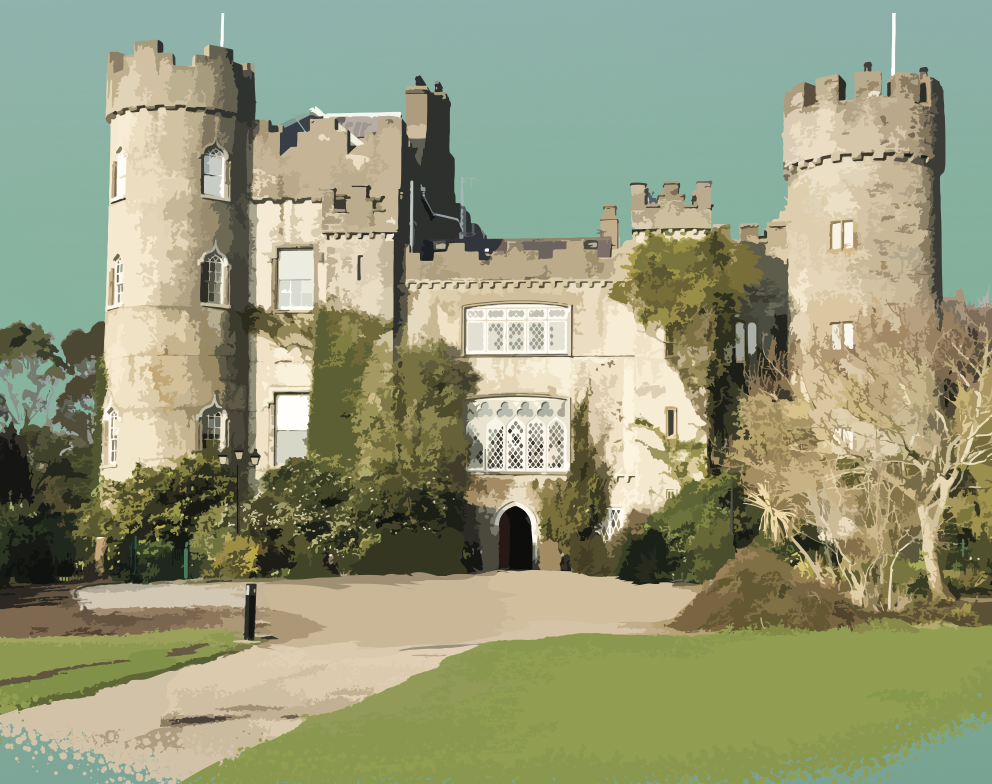 | Notes on Malahide, County Dublin |
Delving into its ancient roots with Viking refugees, Roman artefacts, and the Talbot dynasty at Malahide Castle, as well as pivotal figures like the regicide Myles Corbet, the heroic Tom Kettle and the Barings of Lambay. The article also explores connections to Canada and Tasmania and curiosities from salt production to railway collections. |
| Inventors of County Kilkenny |
See here for more stories of County Kilkenny Robert Fulton, inventor, Kilkenny roots – … | |
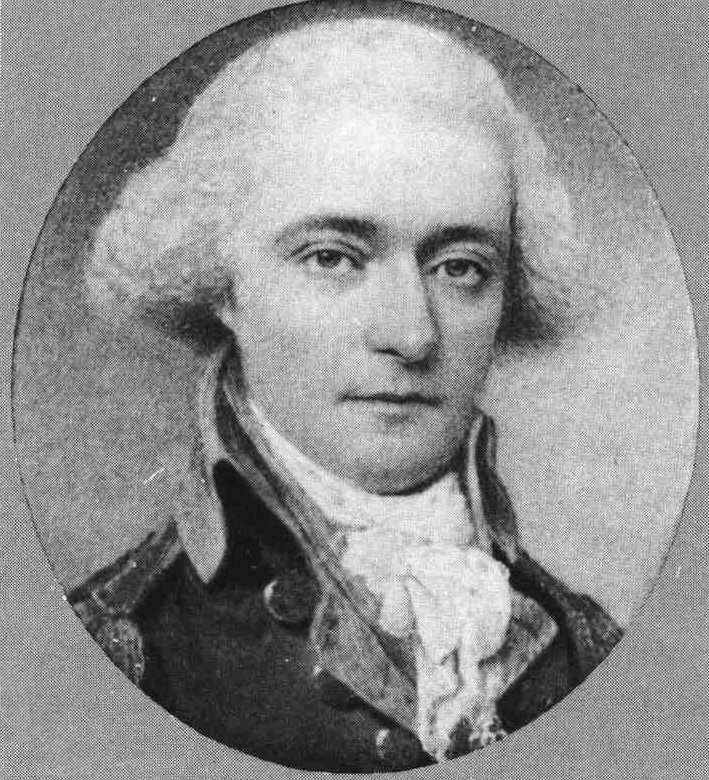 | Senator Pierce Butler (1744-1822) |
Carlow-born Pierce Butler is recognised as one of United States' Founding Fathers. As well as serving over a decade as a Senator for South Caroline, he was also one of the greatest landowners and slaveholders in America. |
 | Daniel Robertson, an American Architect in Ireland | An eccentric and prolific architect. Robertson left his mark on such well-known Irish mansions as Killruddery, Powerscourt and Lisnavagh. An American of Scots origin, he grew up between South Carolina and Georgia before training as an architect in London. Having gone bankrupt in 1830, he moved to Ireland where he lived until his death in Howth in 1849. |
 | The Secrets of Dublin's Underground |
The underground of any city is replete with the possibilities of another world. Think of the darkly magical catacombs of Edinburgh or Rome, or the abandoned Tube lines under London. Many of the legends of a subterranean Dublin riddled with interconnecting tunnels are codology. The Irish capital is too wet for a decent underground, resting upon reclaimed marshland, but there are nonetheless some tunnels worth knowing about … |
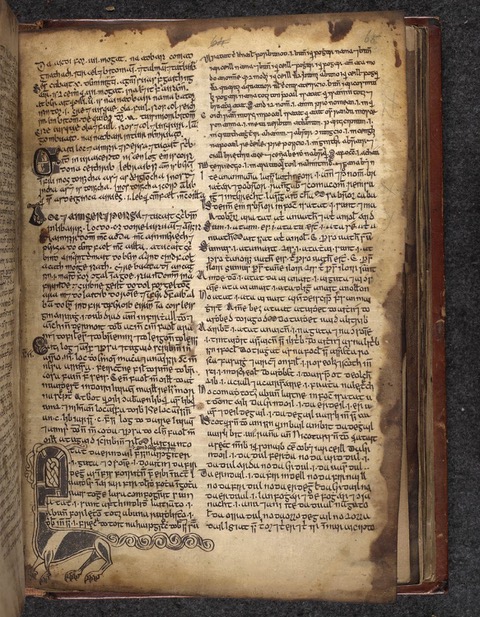 | The O’Davoren Law School, The Burren, County Clare |
During the medieval period, the most prominent legal family in County Clare was the O’Davoren, or Ó Duibhdábhoireann, a minor Gaelic gentry sept who ran a celebrated school of fénechas (native law) at Cahermacnaghten in the Burren. As well as being famous jurists and scholars, the O’Davorens served as hereditary brehons to the O’Loghlen family. |
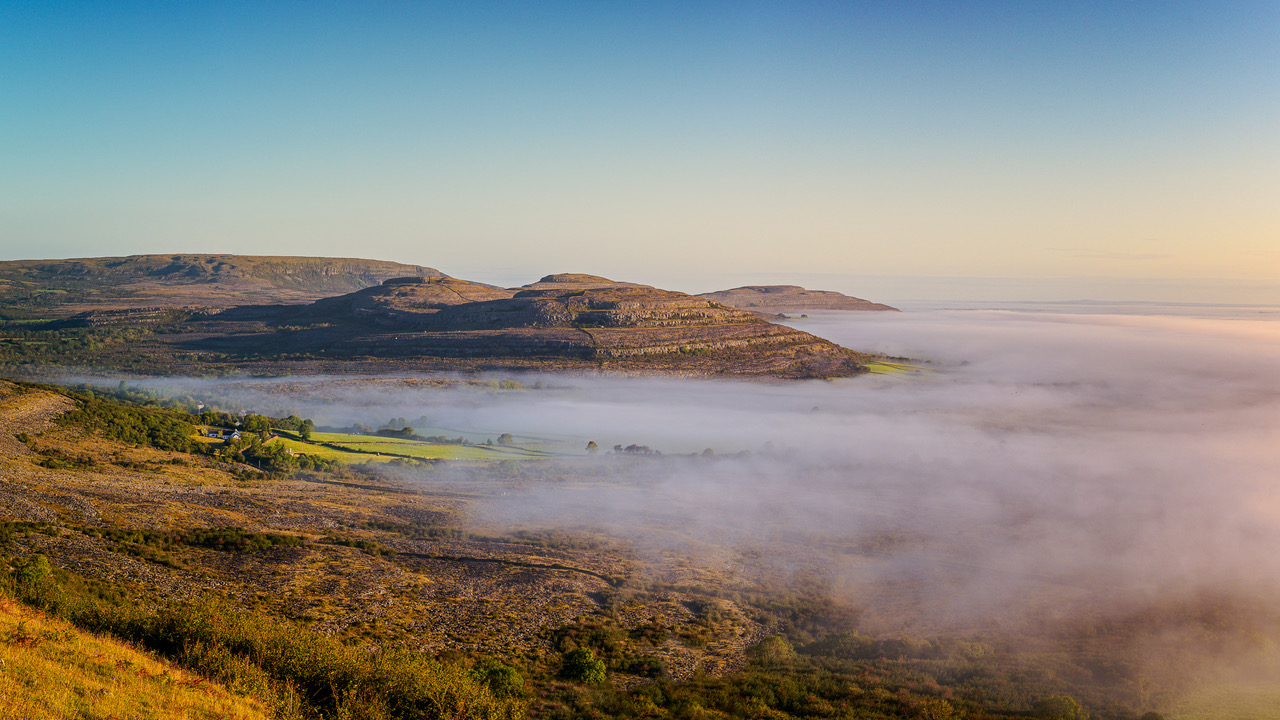 | Valley of the Raths – Cashels & Ringforts of the Burren |
The Burren of County Clare has one of the highest concentrations of ringforts in the country, including those at Cahermore and Caherconnell, as well as cashels such as Cahercommaun, Caherballykinvarga and Cahermacnaghten. |
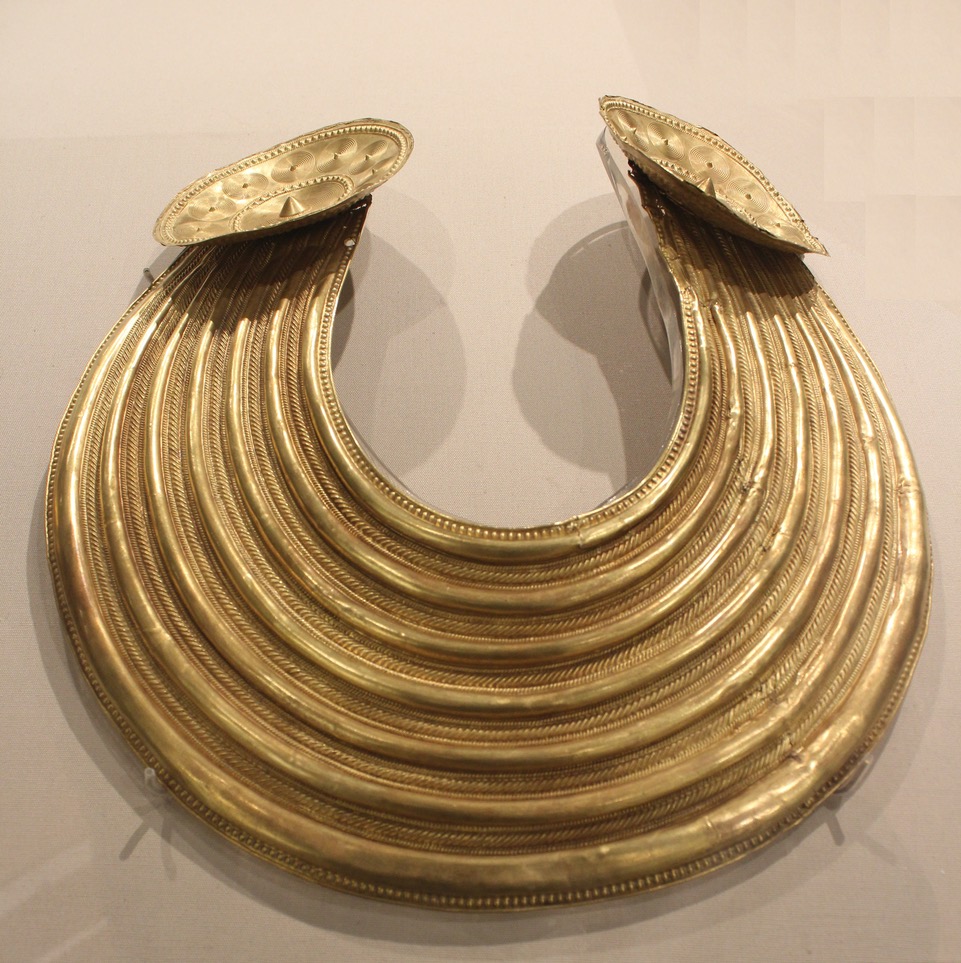 | County Clare in the Bronze Age |
See here for more stories of County Clare After the Neolithic period, came the … |
 | Kennedy of Johnstown and Bishopscourt, County Kildare |
One of the most celebrated families of the Kildare hunting scene during the middle decades of the 20th century, the Kennedys were direct descendants of Sir John Kennedy, the Father of the Kildare Hunt. Indeed, for much of the 20th century, the area around Straffan was known as ‘Kennedy country’. |
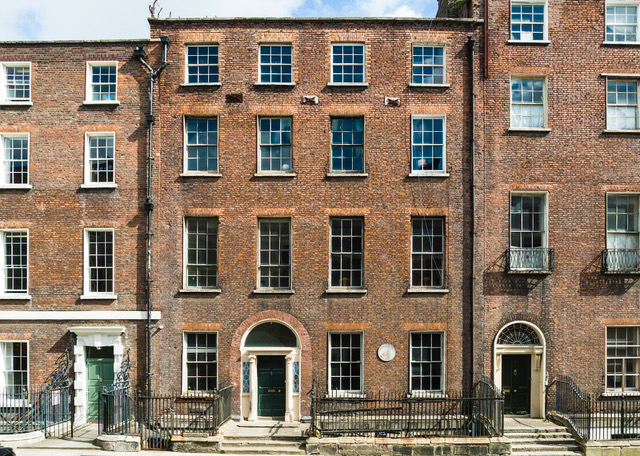 | Tenement Life on Dublin's Henrietta Street |
May Malone, the eldest of ten children, was born in 1945 and spent the first decade of her life growing up in a single room on the top floor of a decrepit four-storey townhouse, No. 7 Henrietta Street. She shared this one small room with her parents, her grandmother, her uncle and four of her younger siblings. This is her account of tenement life. |
 | Dr Bartholomew Mosse (1712-1759) – Founder of the Rotunda Hospital, Dublin |
Dr Bartholomew Mosse was the founder of Dublin’s Rotunda Hospital, the first purpose-built maternity hospital in the world, which opened in 1757. This highly motivated surgeon and man-midwife achieved his ambition through his immense gift for corporate fundraising: running lotteries, staging concerts and productions in the theatre, including a number of Handel's oratorios. |
 | Walt Disney’s Leprechaun Hunt |
By the time of his death in 1966, Walt Disney was a household name across the world, having racked up far more Oscars than anyone else in history and established a multination company with zillions of dollars, as well as resorts and theme parks. A classic American success story from man whose ancestors emigrated to the US from Ireland in the 1830s but when it came to his Irish roots, Walt was all about the blarney. This article looks at his ancestry and his visit to Ireland on a research mission for ‘Darby O'Gill and the Little People'. |
 | Notes on Mullingar, County Westmeath |
Short histories taking in Henry VIII’s creation of the county, Jonathan Swift’s connections, Peg Plunkett’s life as a courtesan, Mary Molesworth’s imprisonment, John Wesley’s Methodist influence, and James Joyce and J.P. Donleavy’s literary contributions, amongst others. |
 | Kilkea Castle – Further Reading | In terms of source material, as well as the persons acknowledged here, I salute the … |
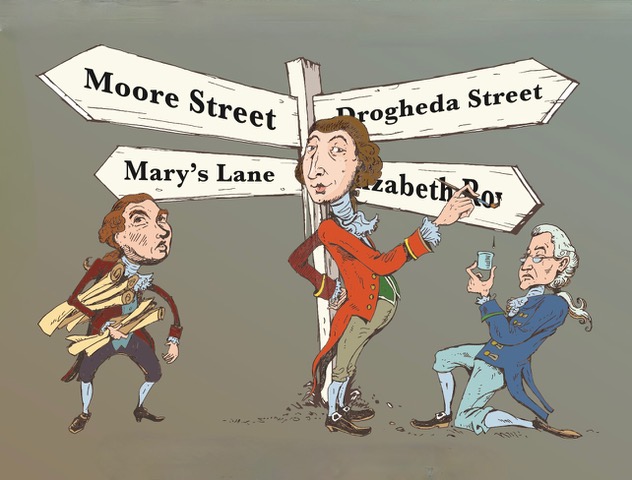 | Moore of Moore Abbey – Earls of Drogheda |
See here for more stories of the Kildare Gentry and Aristocracy Headed up by … |
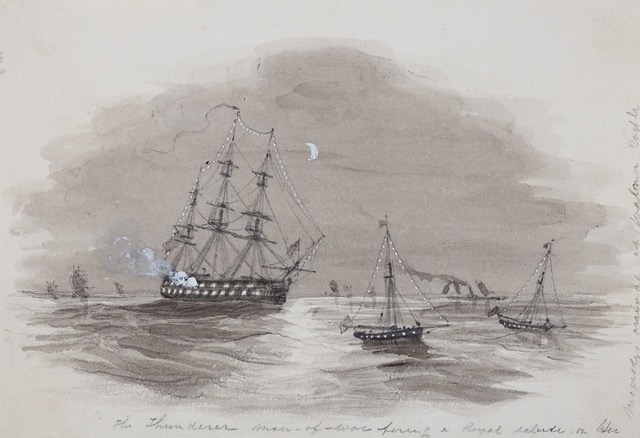 | Captain Richard Hanmer Bunbury (1813-1857) |
See here for more stories of the Bunbury family. Born on 18 December 1813, … |
 | A Brief History of Merrion Square |
It is over 260 years since the first houses were built on Merrion Square. It just goes to show what you can do with a few acres of undeveloped marshland if you put your mind to it. |
 | The Gardiners and Mountjoy Square, Dublin |
Once an elevated stretch of marshy bogland, Dublin's Mountjoy Square were founded by the enigmatic Gardiner family, who also counted Henrietta Street and Gardiner Street amongst their creations. Spanning the era of Georgian Ireland, this is the story of the family who became Viscounts Mountjoy. |
 | Kilkea Castle 8 – Nightfall (1887-1961) |
The FitzGeralds would face no end of challenges during the opening decades of the 20th century with two tragic deaths and the loss of a huge portion of their ancestral wealth. However, with the birth of the Irish Free State, Kilkea Castle in County Kildare remained home for many FitzGerald sons and daughters through both wars until 1961 when sold by the 8th Duke of Leinster. |
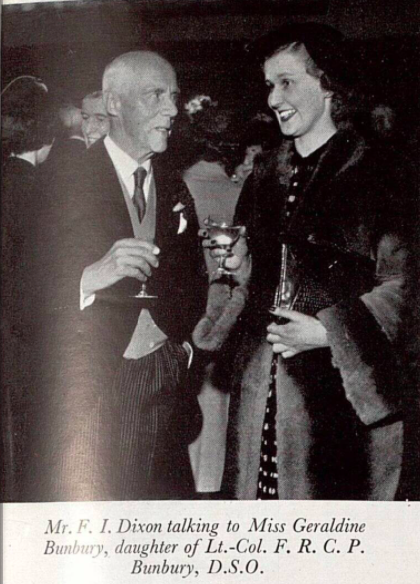 | Brigadier Ramsay Bunbury (1910-1990) – Korean War Hero |
See here for more stories of the Bunbury family Francis Ramsay St Pierre Bunbury, … |